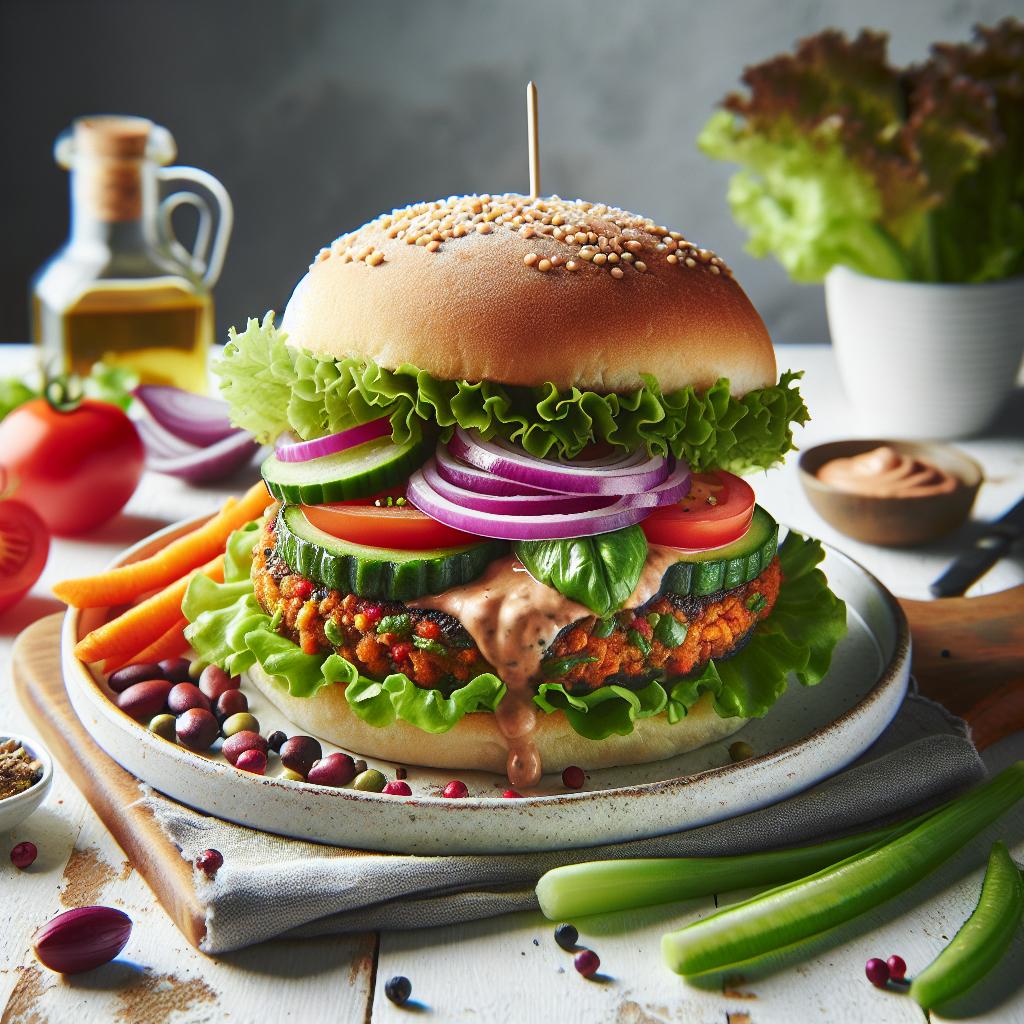

There’s something irresistibly wholesome about biting into a homemade bean burger-a patty packed with hearty beans, vibrant spices, and earthy textures that sing with every mouthful. But if you’ve ever found yourself wrestling with a crumbly, falling-apart mess instead of that perfect, juicy burger, you’re not alone. Crafting a bean burger that holds its shape while staying tender can be a culinary tightrope walk. Luckily, understanding the science behind what makes these patties stick (or slip) is the secret sauce to success. In this article, we’ll dive into the common pitfalls that cause your bean burgers to crumble and share clever, kitchen-tested tips to transform them into perfectly formed, mouthwatering masterpieces every time.
Understanding the Science Behind Bean Burger Texture and Creating the Perfect Patty
Why your bean burgers fall apart and how to fix them starts with mastering the delicate balance of moisture, binding, and ingredient synergy. Unlike meat, beans lack natural proteins that hold fibers together, so the key lies in combining the right ingredients and methods to craft a firm, flavorful burger that stays intact.
Prep and Cook Time
- Preparation: 20 minutes
- Cooking: 15 minutes
- Total Time: 35 minutes
Yield
- Makes 6 medium-sized bean burgers
Difficulty Level
- Medium
Ingredients
- 2 cups cooked black beans, rinsed and drained
- ½ cup rolled oats, finely ground into flour
- 1 small onion, finely diced
- 2 cloves garlic, minced
- 1 large egg (or flax egg for vegan option)
- ¼ cup all-purpose flour (or chickpea flour for gluten-free)
- 1 tablespoon tomato paste for umami depth
- 1 teaspoon smoked paprika
- ½ teaspoon cumin
- Salt and pepper to taste
- 2 tablespoons olive oil, for cooking
Instructions
- Prepare the base: In a large bowl, gently mash the black beans with a fork or potato masher, leaving some whole for texture. Avoid over-mashing, which makes the mixture too wet.
- Add the dry binders: Stir in the ground oats and flour. These absorb excess moisture and improve structure, preventing disintegration during cooking.
- Mix aromatics: Fold in the diced onion, minced garlic, smoked paprika, cumin, tomato paste, salt, and pepper. The tomato paste adds richness and helps bind.
- Bind the mixture: Add the egg or flax egg, stirring just until combined. Too much liquid weakens the patty; just enough binding agent is essential.
- Form the patties: With slightly wet hands, shape the mixture into 6 evenly sized patties. Press firmly but gently to maintain integrity.
- Chill: Refrigerate patties on a lined tray for at least 30 minutes. This step firms them up, making them easier to handle and less likely to crumble.
- Cook to perfection: Heat olive oil in a skillet over medium heat. Sauté patties 5-6 minutes on each side, turning carefully once golden brown. Avoid flipping too often to prevent breakage.
Chef’s Notes: Tips for Success
- Choose firm beans: Drain canned beans thoroughly or cook dry beans until just tender but not mushy.
- Binder variety: If the mixture feels too wet, add extra oat flour or ground flaxseed – both act as excellent binding agents.
- Avoid watery ingredients: Fresh tomatoes or zucchini should be drained and squeezed dry to prevent sogginess.
- Flavor boosters: Add fresh herbs, finely chopped mushrooms, or a splash of soy sauce for umami complexity.
- Make ahead: Patties can be formed and refrigerated up to 24 hours before cooking, or frozen for longer storage.
Serving Suggestions
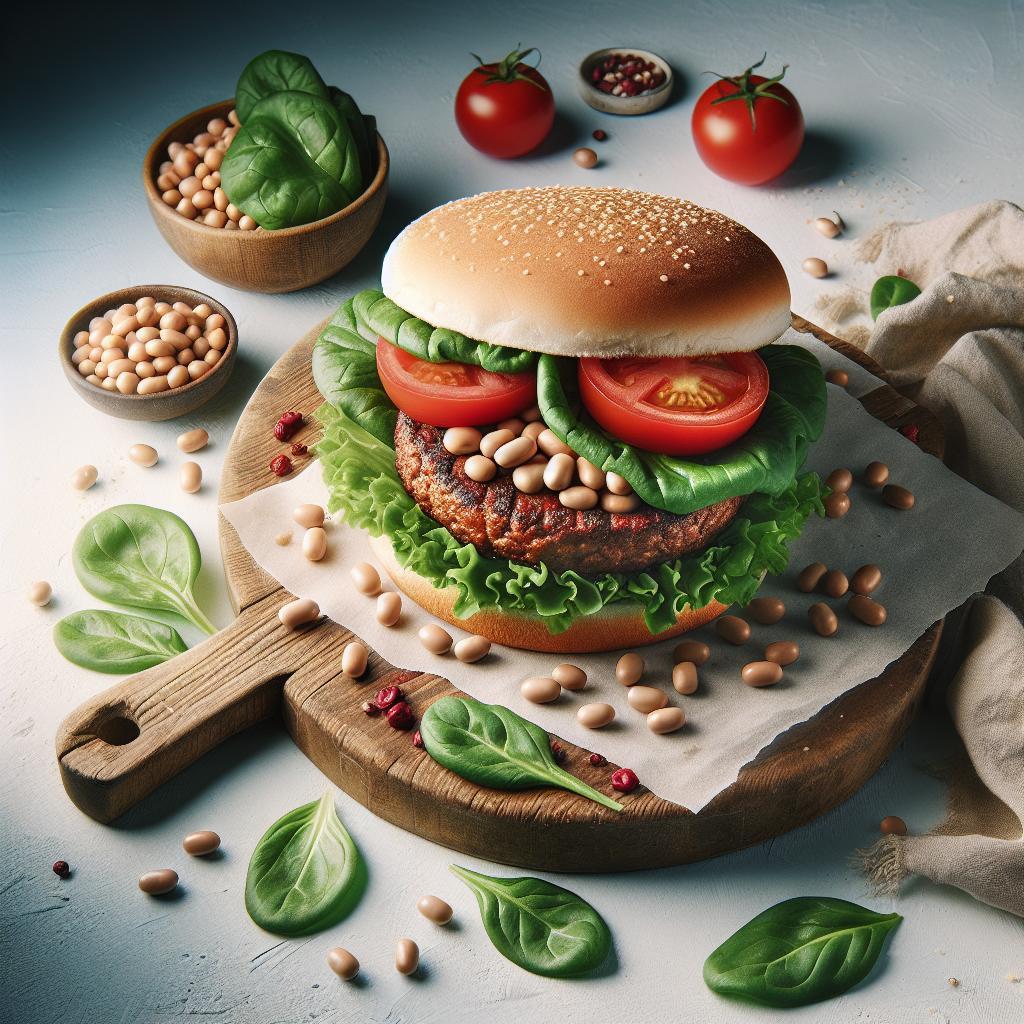
Present your golden bean burgers stacked high on toasted whole wheat buns, dressed with ripe avocado slices, crisp lettuce, and pickled red onions. A smear of chipotle mayo or vegan aioli enhances their smoky flavor. Serve alongside sweet potato fries and a fresh, tangy coleslaw for an unforgettable meal.
| Nutrient | Per Serving (1 Patty) |
|---|---|
| Calories | 180 kcal |
| Protein | 9 g |
| Carbohydrates | 25 g |
| Fat | 5 g |

Explore more plant-based protein recipes like vegan lentil meatballs for delicious variety. For deeper science on vegetarian protein binding, visit ScienceDaily’s article on plant-based protein texture.
Q&A
Q&A: Why Your Bean Burgers Fall Apart and How to Fix Them
Q1: Why do my bean burgers crumble the moment I flip them?
A1: Bean burgers often fall apart because the mixture lacks enough binding agents to hold the ingredients together. Beans are naturally crumbly once mashed, so without something sticky-like eggs, flax eggs, or breadcrumbs-to glue them, they tend to break apart during cooking.
Q2: Can using the wrong type of beans cause my burger to fall apart?
A2: Absolutely! Some beans have more moisture and less starch, making them harder to bind. For instance, black beans and chickpeas are popular for burgers because they mash well and provide a sturdy texture. If your beans are too mushy or watery, your patty may not hold up.
Q3: How important is the moisture content in my bean burger mixture?
A3: Moisture is a sneaky culprit! Too wet, and your patties won’t hold; too dry, and they’ll be crumbly and dry. Achieving the right balance means draining excess liquid from canned beans and not adding too many wet ingredients without a proper binder.
Q4: Could I fix this with just more cooking time or heat?
A4: Sadly, no. Cooking longer or hotter won’t magically bind a loose bean burger-it’ll likely cause burning or a tough crust while the inside falls apart. Focus instead on the mix itself before it hits the pan.
Q5: What are some foolproof binders to keep my bean burgers intact?
A5: Classic egg is a top binder, but vegan options like ground flaxseed mixed with water, chia seeds soaked in water, mashed potatoes, or even cooked quinoa can work wonders. Breadcrumbs or oats also absorb excess moisture and help hold the patty together.
Q6: How finely should I mash my beans?
A6: Aim for a partially mashed texture-smooth enough to stick, but with some chunkiness to provide structure and bite. Over-mashing can lead to a paste that’s too mushy, while under-mashing means your patty won’t stick well.
Q7: Are there any cooking tips to keep my bean burgers intact?
A7: Yes! Chill your formed patties in the fridge for at least 30 minutes before cooking; this firms them up. Use a non-stick skillet or a well-oiled grill, and flip gently once the bottom side is nicely set. Avoid pressing down on the patties while cooking, or they’ll crumble.
Q8: Can I mix beans with other ingredients to improve texture?
A8: Definitely! Adding finely chopped veggies, cooked grains, nuts, or seeds can improve texture and help with binding. These not only add flavor and nutrition but also create a more cohesive burger.
Q9: Is there such a thing as too much binder?
A9: Yes, overdoing it can make your burger dense or gummy. Start with small amounts, then adjust. The goal is a balance that holds the burger together while keeping it tender and flavorful.
Q10: What’s the most reliable method to ensure a perfect bean burger?
A10: It’s a combination of the right bean choice, balanced moisture, adequate binder, proper mashing, chilling before cooking, and gentle handling on the heat. Master these steps, and you’ll never have to worry about your bean burgers falling apart again!
In Conclusion
In the quest for the perfect bean burger, don’t let a crumbling patty dash your dreams. Understanding the science behind why your bean burgers fall apart is the first step toward crafting a masterpiece that holds together with pride and delivers on flavor with every bite. Armed with the right binders, the perfect moisture balance, and thoughtful cooking techniques, your bean burgers will no longer be fragile experiments but sturdy, delicious creations worthy of any grill or skillet. So next time you shape those patties, remember: a little knowledge and care turn humble beans into burger brilliance. Happy cooking!