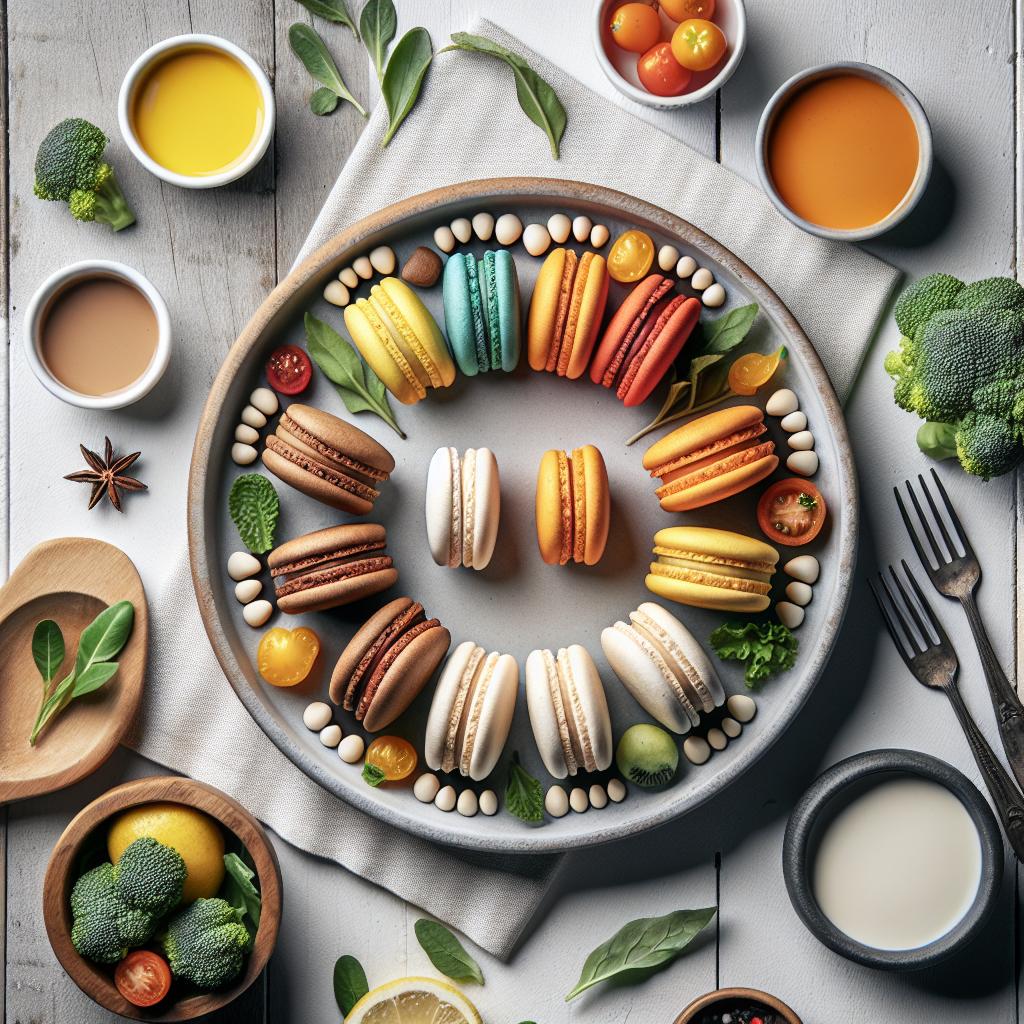

There’s a quiet charm to macarons-their delicate, crisp shells giving way to a tender, chewy center, crowned with those prized ruffled “feet” that signal baking success. But when you swap eggs for plant-based alternatives in the quest for perfect vegan macarons, those iconic feet can sometimes disappear, leaving you with smooth, flat cookies instead of the airy delights you envisioned. Don’t despair! In this article, we’ll unravel the mysteries behind why your vegan macarons lack feet and share expert troubleshooting tips to help you transform your almond-based treats from flat to fabulous. Ready to master the art of vegan macarons? Let’s dive in.
Why my vegan macarons lack feet: this question often echoes in the kitchens of plant-based bakers striving to perfect the delicate art of vegan macarons. These airy delights, celebrated for their elegant “feet” – the ruffled edges that form during baking – demand precision, especially when substituting traditional egg whites with vegan alternatives like aquafaba. Unlocking the science behind these iconic feet reveals how moisture, whipping techniques, and environmental variables dance together to create that coveted macaron signature. Let’s embark on this flavorful journey to master vegan macarons with flawless feet.
Prep and Cook Time
- Preparation Time: 45 minutes (including resting time)
- Baking Time: 15-18 minutes
- Total Time: 1 hour 5 minutes
Yield
- Approximately 20-25 vegan macaron shells (depending on piping size)
Difficulty Level
- Advanced – requires patience and precise technique
Ingredients
- 90 g aquafaba (liquid from canned chickpeas, cold)
- 1/4 tsp cream of tartar (or 1 tsp lemon juice)
- 200 g powdered sugar, sifted
- 110 g almond flour, finely ground and sifted
- 30 g granulated sugar
- 1/2 tsp vanilla extract (optional for flavor)
- Food coloring (optional)
Instructions
- Whippng the Aquafaba: Using a clean, grease-free bowl, begin whipping 90 g cold aquafaba with an electric mixer on medium speed. Add cream of tartar once soft peaks begin to form to stabilize the meringue. Gradually incorporate 30 g granulated sugar while whipping at high speed until stiff, glossy peaks develop (about 10-12 minutes). The texture should resemble traditional egg white meringue-firm but smooth.
- Preparing Dry Ingredients: In a separate bowl, carefully fold 110 g almond flour and 200 g powdered sugar together. Use a sifter or fine-mesh sieve to ensure no lumps, providing a light, airy base essential for macaron feet formation.
- Macaronage: Gently fold the dry mixture into the aquafaba meringue using a spatula. Go slowly with deliberate folding to avoid deflating the meringue prematurely but mix enough until the batter flows like thick lava-smooth, but not runny. This optimal consistency helps promote the rise and feet formation.
- Color & Pipe: If desired, stir in your food coloring and vanilla extract gently. Transfer the batter into a piping bag fitted with a round tip. Pipe uniform circles onto parchment-lined baking sheets, roughly 1.5 inches in diameter to ensure even baking.
- Resting Phase: Allow the piped macarons to rest at room temperature for 40-60 minutes, or until a slight, dry “skin” forms on the surface. Press lightly-if it resists sticking to your finger, they’re ready to bake. This phase is crucial for feet development.
- Baking: Bake in a preheated oven at 140°C (284°F) for 15-18 minutes. Avoid opening the oven during baking to maintain consistent heat and humidity, which heavily influences the iconic feet rise.
- Cooling: Remove and allow the shells to cool completely on the tray before gently peeling off parchment. This ensures the delicate feet remain intact and crisp.
Tips for Success
- Vegan Ingredients Balance: Aquafaba must be fresh and cold for optimal whipping volume. Substituting chickpea water with other legume liquids often reduces stability.
- Optimized Whipping: Use a stand or hand mixer with a balloon whisk attachment set to a high speed for true stiffness; under-whipped meringue will fail to rise properly, while over-whipping causes brittleness.
- Rest Time Is Essential: Skipping the resting phase stops the “feet” from forming and causes cracked tops.
- Control Your Environment: Macarons thrive in low humidity. Use a dehumidifier or air-condition your kitchen if moisture is high. Also, consider rotating your baking trays halfway through to even out heat distribution.
- Oven Calibration: Invest in an oven thermometer; many ovens run hotter or colder than the dial indicates. Adjust accordingly to prevent over-baking or under-rising.
Serving Suggestions
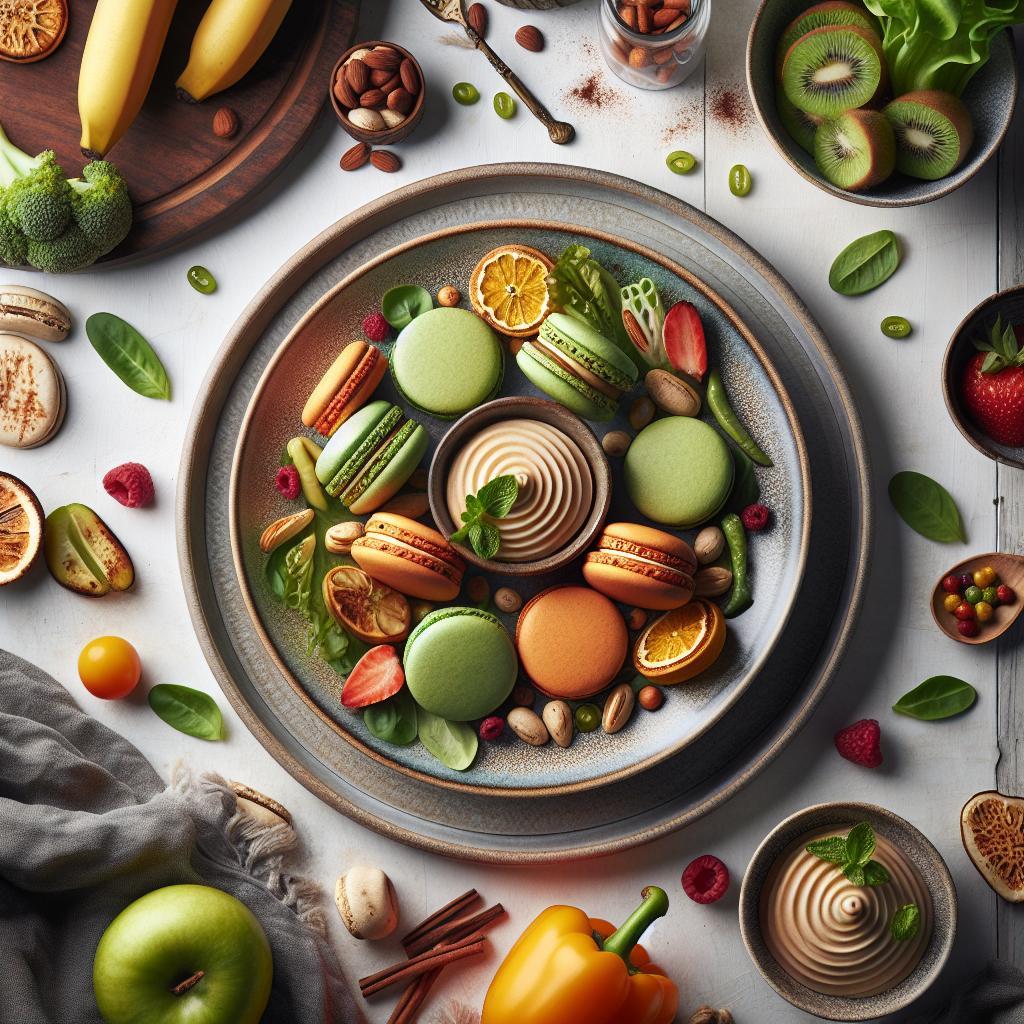
Present your vegan macarons nestled in a delicate pastel paper-lined box or atop a clear glass cake stand to showcase their pristine feet. Pair them with fresh berry coulis or a dollop of vegan buttercream in flavors like raspberry or pistachio for a burst of complementary textures and tastes. Garnish with edible flowers or a dusting of powdered sugar to elevate their delicate appeal.
| Nutrition per Macaron | Calories | Protein | Carbs | Fat |
|---|---|---|---|---|
| 1 Vegan Macaron | 95 kcal | 2 g | 8 g | 5 g |
For further refining your vegan macaron skills, explore our detailed guide here. Additionally, the Culinary Institute of America offers fantastic scientific insights into meringue chemistry that can expand your understanding.

Q&A
Q&A: Why My Vegan Macarons Lack Feet – Troubleshooting Tips
Q1: What exactly are “feet” on a macaron, and why do vegan macarons sometimes struggle to develop them?
A: Think of feet as the charming little ruffled skirts at the base of a macaron – they’re a hallmark of a perfectly baked shell. Feet form when the meringue rises and then sets just right. Vegan macarons usually rely on aquafaba (chickpea water) instead of egg whites, which behaves differently. The lack of traditional egg proteins can make it tougher to achieve that perfect rise and those signature feet.
Q2: How can I improve the stability of aquafaba meringue to help my macarons develop feet?
A: Stability is key! Whip your aquafaba until it forms stiff, glossy peaks-this often takes longer than egg whites, sometimes up to 10 minutes or more. Adding a pinch of cream of tartar or lemon juice can boost stability and stiffness. Also, sugar is your friend; add it gradually to allow the aquafaba to hold firm without collapsing.
Q3: Does the mixing (macaronage) technique affect foot formation in vegan macarons?
A: Absolutely. Under-mixing means the batter is too thick and won’t spread properly, leading to flat, footless shells. Over-mixing, on the other hand, makes it too runny, causing the meringue to collapse. Aim for a lava-like consistency where the batter slowly drips off the spatula-this helps create a smooth top with enough fluidity for the feet to emerge.
Q4: How important is drying (the “skin” phase) before baking vegan macarons?
A: Crucial! Forming a thin, dry skin helps trap steam underneath during baking, which pushes up the feet. Vegan shells tend to be a bit more delicate, so drying times might vary from 30 minutes up to an hour. You want the surface to feel dry and non-sticky to the touch but not cracked.
Q5: Does oven temperature play a role in feet development for vegan macarons?
A: Yes, the oven is your macaron’s dance floor, and temperature sets the rhythm. Too hot, and the shells might puff unevenly or brown too much; too cool, and they won’t rise with enough vigor. Start around 285°F-300°F (140°C-150°C) and adjust based on your oven’s quirks. Using an oven thermometer helps-you want a steady, consistent heat to coax out those feet.
Q6: Could the aquafaba source affect macaron success?
A: Definitely! Fresh versus canned chickpea water, or even homemade versions, differ in protein content and strength. Some bakers find rinsing canned chickpeas before extracting aquafaba improves consistency. Experiment with your aquafaba source to see which yields stronger meringue and prouder feet!
Q7: Is patience the final ingredient in vegan macarons with feet?
A: Indeed! Vegan macarons require a little extra love, experimentation, and patience. Take notes on what works, embrace each batch as a learning adventure, and soon enough, those delicate feet will be dancing proudly atop your beautiful treats. Keep whisking, folding, and baking-perfection is just a macaron away!
In Conclusion
In the delicate dance of crafting the perfect vegan macaron, those elusive feet can sometimes slip away, leaving even the most seasoned bakers scratching their heads. But remember: every batch is a lesson wrapped in a crispy shell and a chewy heart. By understanding the science behind the sweep, mix, and rest, and patiently tweaking your technique, you’ll soon see those dainty frills rise proudly beneath your cookies. So, don your apron, embrace the trial and error, and let each attempt bring you closer to that flawless vegan macaron masterpiece-feet and all. Happy baking!