
There’s something almost magical about homemade ice cream-creamy, dreamy, and bursting with flavor. Yet, when it comes to no-churn recipes, many home chefs find themselves staring at a frozen concoction that’s… well, a little less velvety smooth and a bit more icy than they hoped. Why is it that no-churn ice cream, praised for its simplicity and accessibility, often falls short of that creamy perfection we crave? In this article, we’ll unravel the science, explore common pitfalls, and offer insights into what really makes or breaks the texture of your no-churn creation. Prepare to dive deep into the chill and discover how to transform your frozen treat from good enough to unforgettable.
Why My No-Churn Ice Cream Lacks Creamy Perfection is a question that every homemade ice cream enthusiast has asked at least once. The magic behind that irresistibly smooth texture lies deeply in understanding the science of creaminess-particularly the interplay between fat content, sweeteners, and stabilizers. Perfecting these elements in your no-churn recipe not only elevates texture but transforms a simple frozen treat into a silky indulgence that melts flawlessly on the tongue.
The Role of Fat Content in Achieving Silky Texture
The secret to creaminess in ice cream fundamentally revolves around fat content. Fat creates the luscious mouthfeel by coating your palate, softening the cold bite, and lending richness that water-based mixtures simply can’t match. In no-churn versions, which often rely on heavy cream or condensed milk, failing to balance fat leads to icy crystals and a gritty finish. High-fat cream ensures a dense, velvety structure, arresting the formation of ice crystals for that melt-in-your-mouth experience.
Mastering Sweeteners and Stabilizers for Perfect Consistency
Sweeteners aren’t just for flavor – they significantly influence freezing points and texture. Using sweetened condensed milk doubles as a sugar source and emulsifier, helping retain softness by binding water molecules. Meanwhile, natural stabilizers found in gelatin or xanthan gum enhance creaminess by limiting ice crystal growth and increasing mixture viscosity. Balancing these components means no-churn ice cream doesn’t just freeze – it sets to perfection without becoming rock hard or grainy.
Practical Tips to Elevate Your No-Churn Ice Cream Game
To elevate your no-churn ice cream and realize the dream of creamy perfection, start by whipping heavy cream to soft peaks for optimal aeration. Incorporate sweetened condensed milk gradually to maintain a stable emulsion. Chill your mixture before freezing to reduce crystal formation, and stir halfway through freezing if possible to disrupt crystallization. Consider experimenting with a pinch of salt or vanilla bean paste to intensify flavor and mouth-coating richness.
Prep and Cook Time
- Prep Time: 15 minutes
- Freezing Time: 6 hours (no-churn setting)
- Total Time: 6 hours 15 minutes
Yield
- Approximately 1 quart (8 servings)
Difficulty Level
- Easy – perfect for beginners and busy home cooks alike
Ingredients
- 2 cups heavy cream, chilled
- 1 (14 oz) can sweetened condensed milk
- 1 tsp pure vanilla extract or vanilla bean paste
- ¼ tsp fine sea salt
- Optional: ½ tsp xanthan gum or gelatin powder (for added creaminess)
Instructions
- Whip the Cream: Using an electric mixer, whip the chilled heavy cream on medium-high speed until soft peaks form, about 3-4 minutes. Be careful not to overbeat.
- Mix Sweetened Condensed Milk and Flavors: In a separate bowl, combine the sweetened condensed milk, vanilla extract, sea salt, and optional stabilizers until smooth. If using gelatin, bloom it first in a tablespoon of cold water, then gently warm before mixing in.
- Fold Together: Gently fold the whipped cream into the condensed milk mixture, using a spatula and turning the bowl carefully to keep the airiness intact. This step is vital for retaining creaminess.
- Transfer and Freeze: Pour the mixture into a lidded container, smoothing the top for even freezing. Cover tightly to prevent ice crystals from forming.
- Freeze Consistently: Freeze for at least 6 hours or overnight. For best texture, stir the ice cream every 2 hours during the first 6 hours to break up any developing ice crystals.
- Serve: Remove from freezer about 5 minutes before scooping for easier serving and enhanced creaminess.
Chef’s Notes: Tips for Success
- Fat Matters: Using heavy cream with at least 36% fat guarantees a silky texture. Avoid low-fat alternatives.
- Chill Your Tools: Keeping bowls and beaters cold helps whip cream faster and better.
- Sweetener Variations: You can substitute part of the sweetened condensed milk with coconut milk or maple syrup for dairy-free or alternative sweetness, but texture may differ.
- Stabilizers Optional: While your ice cream will work fine without them, adding xanthan gum or gelatin helps reduce iciness and improves scoopability.
- Make-Ahead: This no-churn recipe is perfect for prepping days in advance-just ensure it’s tightly sealed to maintain freshness.
Serving Suggestions
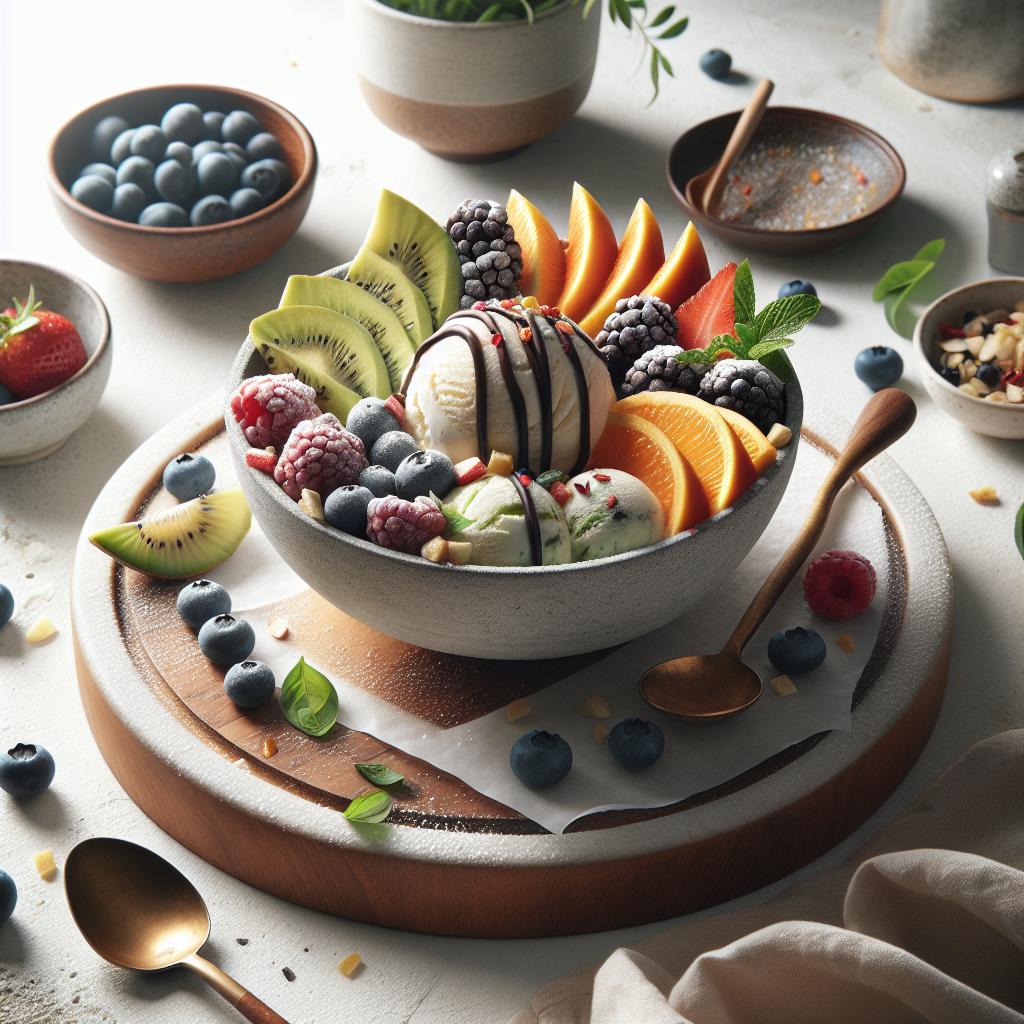
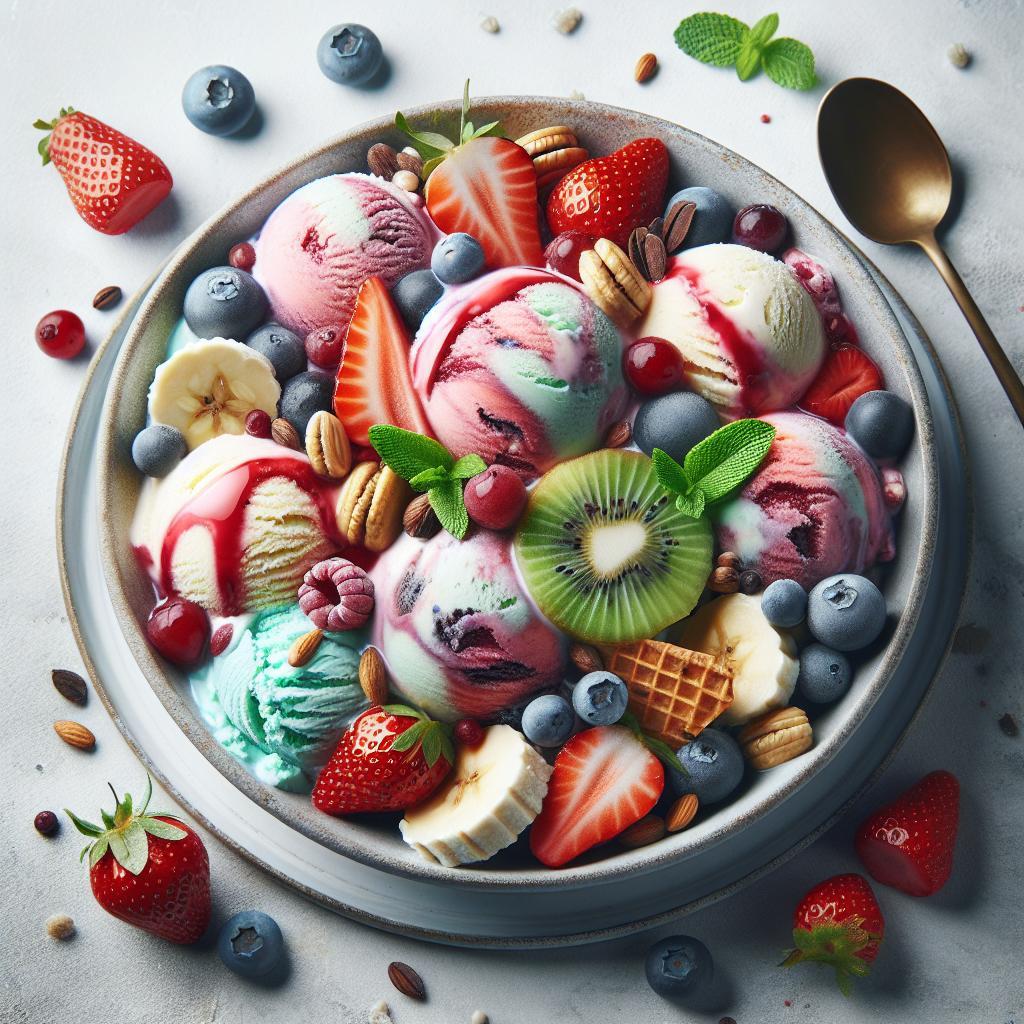
Present this creamy no-churn ice cream in chilled bowls for a refreshing delight, topped with fresh berries, a drizzle of homemade chocolate sauce, or crushed toasted nuts for texture contrast. For summer parties, serve alongside warm fruit cobblers or in elegant ice cream sandwiches using buttery cookies. Garnish with a mint sprig or a dusting of cocoa powder to elevate visual appeal and entice the senses.
| Nutrient | Amount per Serving |
|---|---|
| Calories | 230 kcal |
| Protein | 3 g |
| Carbohydrates | 22 g |
| Fat | 15 g |

For further inspiration and advanced techniques on homemade ice creams, explore our Ultimate Guide to Homemade Ice Cream. To dive deeper into the science of fat and emulsifiers in frozen desserts, visit this detailed study from Food Science Journal.
Q&A
Q: Why does my no-churn ice cream turn out icy instead of creamy?
A: No-churn ice cream relies heavily on air incorporation and fat content to mimic the creaminess of churned ice cream. Without proper whipping of the cream or enough fat, ice crystals grow larger during freezing, leading to icy texture instead of smooth creaminess.
Q: Can the type of sweetener affect the texture of no-churn ice cream?
A: Absolutely! Sugar helps lower the freezing point, which keeps the ice cream softer. Using substitutes like honey, corn syrup, or condensed milk can improve creaminess by preventing large ice crystals, whereas granulated sugar alone might not always do the trick.
Q: How does the method of mixing impact my no-churn ice cream’s texture?
A: Gentle but thorough folding of whipped cream into sweetened condensed milk creates air pockets that give the ice cream fluff and smoothness. Over-mixing can deflate the air and under-mixing can leave it dense-both rob creaminess.
Q: Does freezing time influence creaminess in no-churn versions?
A: Yes, patience is key! Freezing your ice cream quickly and avoiding temperature fluctuations minimizes large ice crystals. Slow or inconsistent freezing can ruin the texture, making it grainy rather than silky.
Q: Is it possible to get creamy perfection without an ice cream maker?
A: It is! Using high-fat ingredients like heavy cream and sweetened condensed milk, whipping the cream well, and freezing in shallow, spread-out layers helps speed freezing and air integration-key to luscious no-churn ice cream.
Q: What simple tweaks can I try to improve creaminess next time?
A: Try chilling your mixing bowl and beaters before whipping, use full-fat dairy, incorporate a little alcohol or corn syrup as antifreeze agents, and be patient with freezing time. Small changes can turn grainy to gourmet!
Q: Why does adding solid mix-ins sometimes ruin creaminess?
A: Mix-ins like nuts or chocolate chunks can cause localized melting and refreezing, which encourages bigger ice crystals. Folding mix-ins in gently and freezing promptly helps maintain smoothness.
Q: Can I fix icy no-churn ice cream after it’s already frozen?
A: To some extent. Let it soften briefly at room temperature, then re-whip or stir vigorously before refreezing. Adding a splash of cream and mixing can help break up crystals, but prevention is always better than cure!
The Conclusion
In the grand symphony of frozen desserts, my no-churn ice cream plays a tune that’s sweet and satisfying, yet falls just short of creamy perfection. Through this frosty journey, we’ve uncovered how the absence of churning impacts texture, the role of fat and air in crafting that luscious mouthfeel, and the delicate dance of ingredients that can make or break the final scoop. While my recipe delivers convenience and flavor, achieving that velvety smoothness requires a little more alchemy and science than a simple mix and freeze. So next time you crave homemade ice cream’s magic, remember: perfection is a blend of patience, technique, and understanding the science beneath the swirl. Until then, let your taste buds savor the charm in every slightly imperfect spoonful.