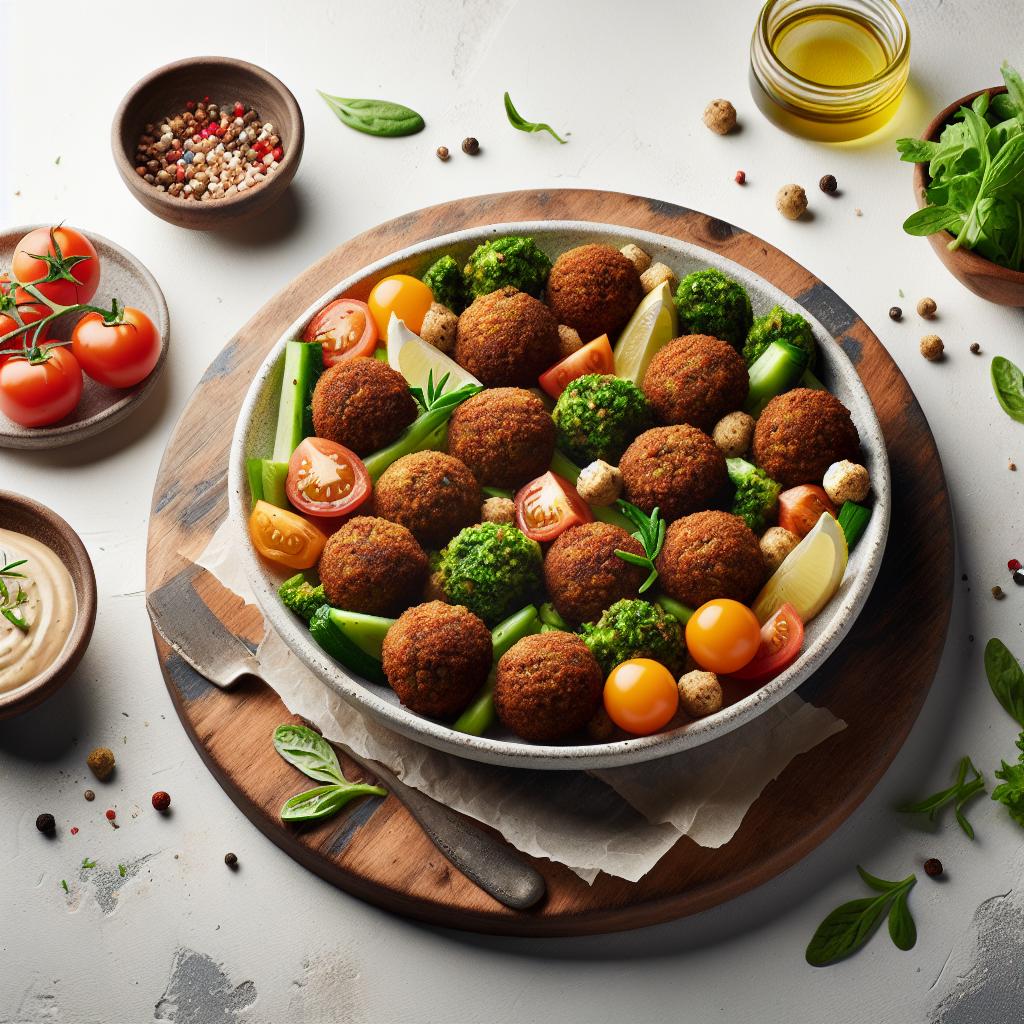

There’s nothing quite like biting into a falafel-crisp on the outside, bursting with fragrant herbs and spices on the inside. But what happens when that much-anticipated falafel turns dry and crumbly, leaving your taste buds wondering where all the magic went? If you’ve ever found yourself puzzled by lackluster falafel that falls apart or feels more like sand than a satisfying bite, you’re not alone. The secret to perfectly moist, tender falafel lies in a few simple tricks and a keen understanding of the ingredients and techniques. Join us as we uncover the common missteps and share expert tips that will transform your falafel-making from flaky to fabulous-because every falafel deserves to be a moist, flavorful masterpiece.
Why Is My Falafel Dry and Crumbly? Secrets to Perfectly Moist Bites
Why is my falafel dry and crumbly? This question has intrigued many falafel enthusiasts longing for those irresistibly soft, moist bites that melt in your mouth. At the heart of achieving this culinary magic lies the mastery of chickpea preparation, precise soaking times, and harmonious binding of ingredients. Understanding these elements will transform your falafel from crumbly disappointment to golden perfection.
Prep and Cook Time
- Soaking Chickpeas: 12-24 hours (overnight preferred)
- Preparation: 20 minutes
- Cooking (Frying or Baking): 5-7 minutes per batch
- Total: Approximately 13-15 hours (including soaking)
Yield
Makes approximately 24 falafel balls, serving 4-6 people as an appetizer or main dish.
Difficulty Level
Medium: Requires attention to soaking and texture but straightforward to master.
Ingredients
- 1 ½ cups dried chickpeas (do not use canned chickpeas for best texture)
- 1 small onion, roughly chopped
- 3 cloves garlic, minced
- 1 cup fresh parsley, packed
- ½ cup fresh cilantro, packed
- 1 teaspoon ground cumin
- 1 teaspoon ground coriander
- ½ teaspoon cayenne pepper (optional for heat)
- 1 teaspoon salt
- ½ teaspoon baking powder (for lightness)
- 2 tablespoons all-purpose flour (or chickpea flour for gluten-free)
- Vegetable oil for frying or baking
Instructions
- Soak the chickpeas: Rinse dried chickpeas thoroughly and soak them in cold water for 12 to 24 hours. This step hydrates them fully, allowing a tender, fluffy interior in your falafel while preventing dryness.
- Drain and prep: Drain the soaked chickpeas well and pat them dry with paper towels to remove excess moisture, which ensures your mixture isn’t soggy.
- Blend the base: In a food processor, pulse the chickpeas with onion, garlic, parsley, and cilantro until the mixture becomes coarse – not a paste – maintaining a slightly grainy texture for the ideal falafel bite.
- Season and bind: Transfer the mixture to a bowl and stir in cumin, coriander, cayenne, salt, baking powder, and flour. The baking powder aerates the mixture, and flour helps bind everything together without drying it out.
- Rest the dough: Let the mixture rest in the refrigerator for 30 minutes. This resting time hydrates the flour and allows flavors to meld, contributing to a moist and cohesive texture.
- Shape the falafel: Using wet hands or a falafel scoop, form walnut-sized balls or small patties, compressing gently to bind without overworking.
- Choose your cooking method: For frying: Heat 2 inches of vegetable oil to 350°F (175°C); fry falafel in batches for 4-5 minutes until golden and crisp. For baking: Preheat oven to 375°F (190°C), brush falafel with oil, and bake for 20-25 minutes, flipping halfway through for even browning.
- Drain and serve: Place cooked falafel on paper towels to absorb excess oil if frying, then serve immediately to enjoy the perfect blend of a tender inside and crisp outside.
Tips for Success
- Focus on chickpeas, not canned: Canned chickpeas retain too much moisture and can result in soggy or crumbly falafel. Always opt for dried chickpeas soaked overnight to develop that coveted texture.
- Soaking time is crucial: The longer soak ensures chickpeas swell and absorb water uniformly, preventing dryness after cooking.
- Bind gently: Over-blending or adding too much flour leads to dense falafel. Keep the mixture grainy and moist but cohesive.
- Test cook: Fry one small falafel ball first. If it falls apart or is dry, adjust by adding a tablespoon of water or flour as needed.
- Experiment with herbs: Fresh parsley and cilantro impart moisture and vibrant flavor. Dry herbs won’t deliver the same effect.
- Resting improves texture: Don’t skip the chilling step; it strengthens the bonds in the mixture.
- Oil temperature matters: Too hot oil burns the exterior before the inside cooks; too cool oil yields oily, dense falafel.
- Make ahead: Falafel dough can be shaped and frozen before cooking. Reheat by frying or baking directly from frozen for convenience.
Serving Suggestions
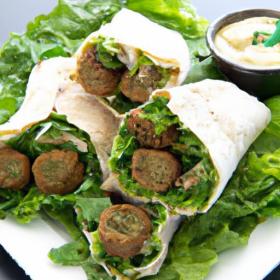
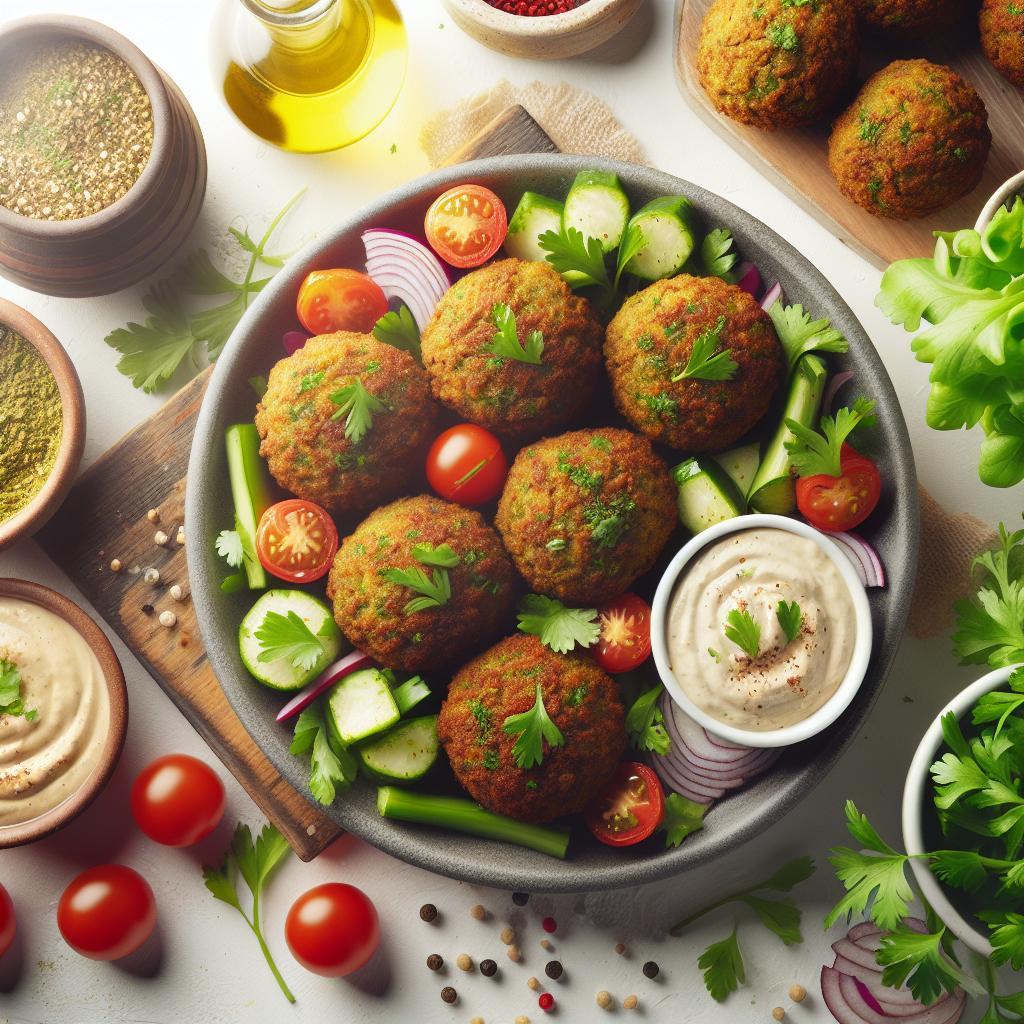
Serve your mojito-soft chickpeas falafel nestled in fluffy pita bread with a generous drizzle of creamy tahini sauce and a sprinkle of fresh parsley. Complement with crisp, tangy pickles, chopped tomatoes, cucumbers, and a side of vibrant tabbouleh for a Mediterranean feast. For extra indulgence, layer with a dollop of garlic yogurt sauce or spicy harissa for a fiery twist. Every bite combines crisp exterior texture with moist, flavorful interior, embodying the essence of perfected falafel.

| Nutrient | Per Falafel Ball (30g) |
|---|---|
| Calories | 70 kcal |
| Protein | 3.5 g |
| Carbohydrates | 8 g |
| Fat | 3 g |
Discover more on creating perfect vegetarian dishes in our Ultimate Vegetarian Recipes Collection. For in-depth chickpea nutrition details, explore NutritionValue.org.
Q&A
Q&A: Why Is My Falafel Dry and Crumbly? Secrets to Perfectly Moist Bites
Q: Why does my falafel turn out dry and crumbly?
A: Dry, crumbly falafel usually means the mixture lacks enough moisture or fat to bind together well. Over-processing the chickpeas or using canned instead of soaked dried chickpeas can also rob the batter of its ideal texture.
Q: Can using canned chickpeas cause dry falafel?
A: Absolutely! Canned chickpeas are already cooked and have absorbed excess water, making the mixture too soft or too dry after draining. Using soaked, raw dried chickpeas provides a better texture-firmer and less mushy-for perfectly moist falafel.
Q: How important is the chickpea soaking process?
A: Crucial! Soaking dried chickpeas overnight allows them to soften without cooking, helping maintain the right texture and binding properties. This step ensures your falafel isn’t too dense or crumbly once fried.
Q: Could over-processing the falafel mixture cause dryness?
A: Yes. Over-blending turns the chickpeas into a paste, which breaks down the structure needed for moist, fluffy falafel. Aim for a coarse, grainy texture instead of a smooth puree.
Q: What role do herbs and spices play in moisture?
A: Fresh herbs like parsley or cilantro add not only flavor but also moisture, keeping the falafel juicy inside. Don’t skimp on these green goodies-they’re key for that perfect bite.
Q: Does adding baking soda help with moisture?
A: Baking soda acts as a leavening agent, making falafel lighter and crispier without drying it out. Using the right amount helps create air pockets, resulting in moist interiors wrapped in a crunchy shell.
Q: How does frying temperature affect moisture?
A: Frying falafel at too high a temperature crisps the outside quickly but can overcook and dry out the inside. Perfect falafel is fried at medium heat, allowing it to cook evenly and stay moist within.
Q: Is letting the mixture rest before frying important?
A: Yes, a resting period of 30 minutes lets the flavors meld and the mixture firm up, making the falafel less likely to crumble and more likely to hold moisture.
Q: Can adding a small amount of flour or breadcrumbs help?
A: A tiny touch of flour or breadcrumbs can assist binding without drying out the falafel-just don’t overdo it! Too much will soak up moisture and lead to a crumbly texture.
Q: What’s the golden rule for perfectly moist falafel?
A: Balance is everything: use soaked dried chickpeas, don’t over-blend, add fresh herbs and a touch of baking soda, let the mixture rest, and fry at medium heat. These secrets unlock falafel heaven-crispy, flavorful, and moist right to the last bite!
To Conclude
In the quest for the perfect falafel, a dry, crumbly bite can feel like a disappointing detour-but it doesn’t have to be your final destination. By understanding the key secrets-from ingredient ratios and hydration to frying technique-you can transform those stubbornly dry balls into golden, moist morsels that burst with flavor and texture. So next time you roll up your sleeves, remember: moisture is the magic ingredient, and with a little attention, your falafel will emerge from the fryer not just crispy on the outside, but irresistibly tender and delicious within. Happy cooking, and may every bite be perfectly perfect!