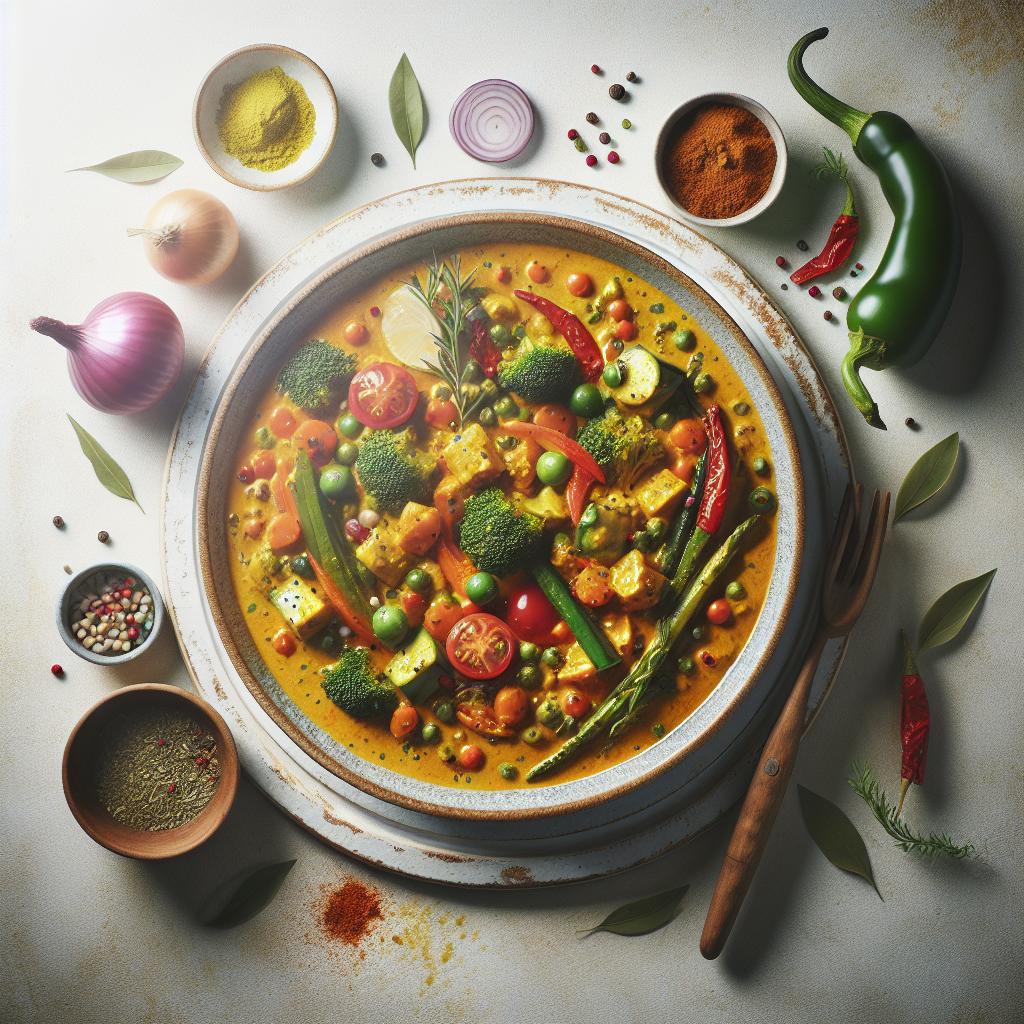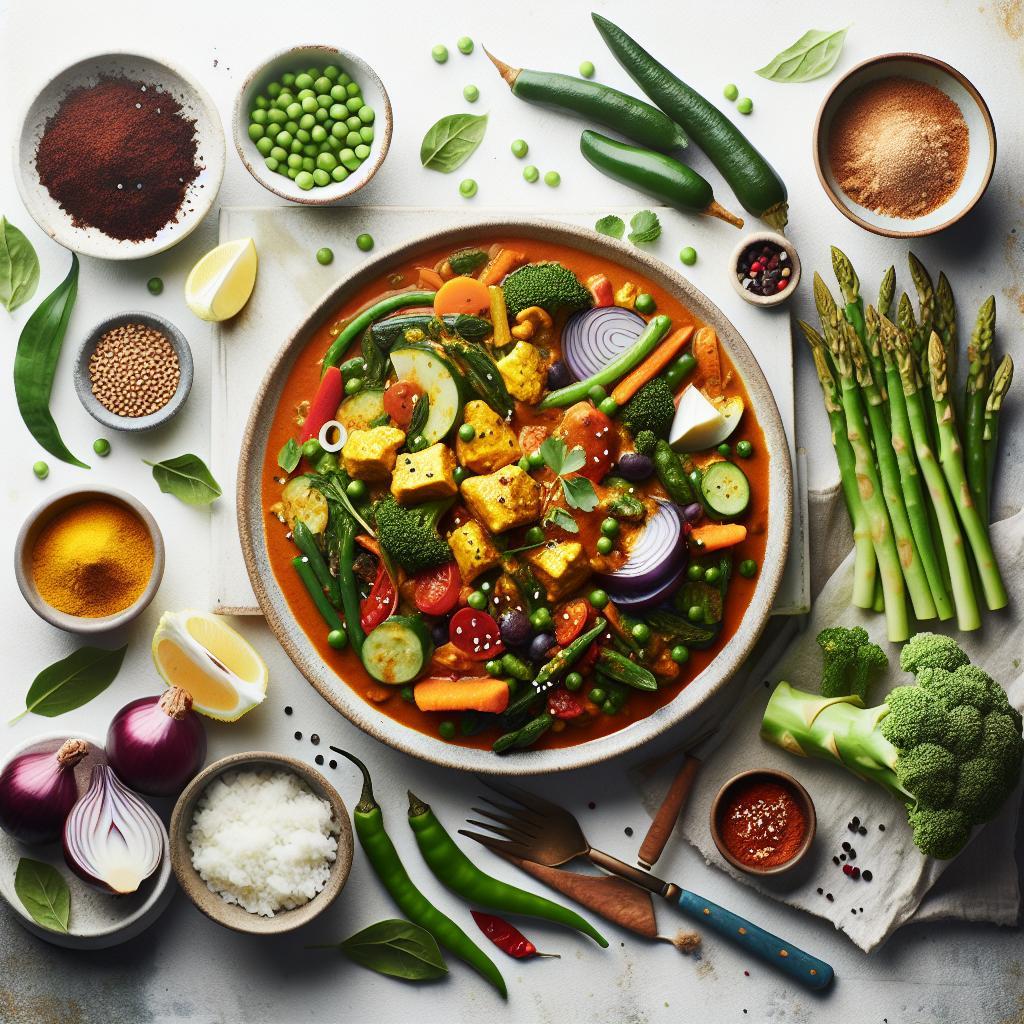
There’s something magical about a curry-the way its vibrant colors dance on the plate, the intoxicating aroma that fills the kitchen, and the rich tapestry of flavors that awaken the senses. But beyond indulgence, curries hold a promise: a wholesome, nourishing meal that can fuel your body and delight your palate. In “Savor the Spice: Wholesome Recipes for Healthy Curries,” we embark on a flavorful journey to discover how traditional spices and fresh ingredients come together to create dishes that are as good for you as they are delicious. Whether you seek the comforting warmth of a classic chicken curry or the bold zest of a plant-based masala, these recipes offer a perfect balance of nutrition and taste-inviting you to savor every bite guilt-free. Let the spice lead the way to your next healthy culinary adventure.
Savor the Spice in every spoonful as we explore the beautiful harmony of herbs, spices, and nutrient-rich ingredients that bring healthy curries to life. Drawing inspiration from centuries-old culinary traditions across South Asia, these wholesome curry recipes are designed to elevate your meals beyond mere sustenance into a celebration of flavor and wellness. Whether you are new to curry-making or a seasoned cook looking to deepen your craft, this guide will empower you to balance bold spices with fresh, nourishing components for a vibrant dish that delights both the palate and body.
Prep and Cook Time
Preparation: 20 minutes
Cooking: 35 minutes
Total Time: 55 minutes
Yield
Serves 4 generously
Difficulty Level
Medium – approachable for cooks with some experience in spice blending and sautéing techniques
Ingredients
- 2 tbsp coconut oil or extra virgin olive oil
- 1 large onion, finely chopped
- 4 cloves garlic, minced
- 1-inch piece fresh ginger, grated
- 2 medium tomatoes, diced
- 1 cup diced butternut squash (rich in beta-carotene)
- 1 cup cooked chickpeas (or 1 can, drained and rinsed)
- 1 cup spinach leaves, roughly chopped
- 400 ml light coconut milk
- 1 tbsp curry powder (blend of turmeric, cumin, coriander, fenugreek)
- 1 tsp ground cumin
- 1 tsp smoked paprika
- 1/2 tsp cayenne pepper (adjust to taste)
- Salt and freshly ground black pepper, to taste
- Juice of 1 lime
- A small handful fresh cilantro (coriander), chopped
- Optional: 1 small green chili, finely sliced for extra heat
Instructions
- Warm the oil in a large skillet or heavy-bottomed pot over medium heat. Add the finely chopped onions and sauté until translucent and just beginning to caramelize, about 6-7 minutes, stirring frequently to avoid burning.
- Add the minced garlic and grated ginger, cooking for another 1-2 minutes until fragrant but not browned.
- Mix in the curry powder, cumin, smoked paprika, and cayenne pepper. Stir continuously for about 30 seconds to toast the spices gently, releasing their essential oils and deepening their flavor.
- Add the diced tomatoes and cook until softened and slightly broken down, about 5 minutes. This acts as a vibrant, natural base that enriches the curry’s taste.
- Toss in the butternut squash and cook for 5 minutes, allowing it to soak up the spices and begin tenderizing.
- Pour in the coconut milk and stir well, bringing the mixture to a gentle simmer. Cover the pot, reduce heat to low, and cook for 15 minutes or until the squash is tender but not mushy.
- Stir in the cooked chickpeas and spinach leaves, cooking for an additional 2-3 minutes until the spinach wilts and the chickpeas are heated through.
- Season with salt, pepper, and freshly squeezed lime juice to balance the rich creaminess with a zesty brightness.
- Remove from heat and garnish with freshly chopped cilantro and optional green chili slices for an added pop of flavor and color.
- Serve hot with a side of whole grain basmati rice, warm chapati, or quinoa for a wholesome, satisfying meal.
Tips for Success
- Customize your spice level by dialing back or intensifying the cayenne and green chili. For milder options, substitute cayenne with sweet paprika.
- Use freshly ground spices when possible to maximize vibrancy; store leftovers in an airtight container in a cool, dark cupboard.
- Substitute butternut squash with sweet potatoes or pumpkin for seasonal variety and added fiber.
- Make-ahead friendly: This curry keeps well for up to 3 days refrigerated and tastes even better the next day.
- For a protein boost, try swapping chickpeas with cubed tofu or cooked lentils.
Serving Suggestions
Present this nutrient-packed curry in a deep bowl adorned with a sprinkle of toasted pumpkin seeds or crushed roasted peanuts for delightful crunch contrasts. A wedge of lime on the side invites an extra squeeze for freshness. Pair with fragrant jasmine or brown rice and a cooling cucumber raita made with yogurt, mint, and cumin to balance heat and enrich textures. Fresh naan bread or gluten-free flatbread further complement the dish for scooping and savoring every last bite.
| Nutrient | Amount per Serving |
|---|---|
| Calories | 320 kcal |
| Protein | 12 g |
| Carbohydrates | 36 g |
| Fat | 14 g (mostly healthy fats) |
| Fiber | 8 g |

For further inspiration on crafting balanced spice blends, visit the Serious Eats guide to curry powder. To explore complementary whole grain sides and healthy cooking techniques, check out our Wholesome Grain Recipes collection.
Q&A
Q&A: Savor the Spice – Wholesome Recipes for Healthy Curries
Q1: What makes a curry “wholesome” and healthy?
A1: A wholesome curry balances vibrant spices with nutrient-rich ingredients. Think fresh vegetables, lean proteins, whole grains, and heart-healthy fats like coconut milk or olive oil-without overloading on heavy creams or excessive salt. It’s about celebrating bold flavors that contribute to overall wellness and digestion.
Q2: How can I enjoy the complex flavors of curry without relying on unhealthy fats or sugar?
A2: The magic lies in spices! Turmeric, cumin, coriander, ginger, and chili bring layers of warmth and depth naturally. Use slow-cooked tomatoes and onions to build richness instead of fatty creams. Fresh herbs like cilantro and mint add brightness too, making each bite a vibrant, guilt-free delight.
Q3: What are some simple swaps to make traditional curry recipes healthier?
A3: Swap white rice for nutrient-packed quinoa or brown basmati to add fiber. Substitute heavy cream with coconut milk or cashew cream for creaminess without the saturated fat overload. Incorporate more vegetables-like spinach, cauliflower, or carrots-to add bulk and nutrients while keeping calories in check.
Q4: Are there benefits beyond nutrition when enjoying homemade curries?
A4: Absolutely! Cooking curries at home allows control over ingredients, reduces preservatives, and offers a mindful culinary experience. The aromatic spices can boost mood and even bolster the immune system. Plus, sharing a warm, homemade curry fosters connection-a true flavor-and-soul nourishment combo.
Q5: Can curries be adapted to different dietary needs, like vegan or gluten-free?
A5: Definitely! Curries are incredibly versatile. For vegans, replace meat with lentils, chickpeas, or tofu. To keep it gluten-free, simply ensure your spice mixes and broths don’t contain hidden gluten. Most traditional curry recipes naturally skip wheat, making them a perfect canvas for dietary creativity.
Q6: What is a beginner-friendly curry recipe that’s both healthy and delicious?
A6: Start with a classic Chickpea and Spinach Curry. It’s simple: sauté onions, garlic, and ginger; add cumin, turmeric, and coriander; stir in chickpeas, chopped tomatoes, and fresh spinach; simmer gently; and finish with a splash of coconut milk. Serve over brown rice for a hearty, wholesome meal bursting with flavor.
Q7: How can spices in curry contribute to overall health?
A7: Spices aren’t just flavor powerhouses-they’re packed with antioxidants and anti-inflammatory properties. Turmeric’s curcumin supports joint health; ginger aids digestion; chili peppers can boost metabolism. Incorporating these into curries makes every meal a delicious way to tap into nature’s pharmacy.
Q8: What tips can help me avoid common pitfalls when making healthy curries?
A8: Avoid adding too much salt; let the spices and herbs do their work instead. Resist the urge to pour in heavy cream-use coconut or nut-based alternatives moderately. Also, cook spices gently to release their full aroma without burning them, ensuring your curry tastes nuanced, not bitter.
Q9: How does balancing spices affect the taste and healthfulness of a curry?
A9: Balance is key. Too much chili can overpower and irritate the stomach, while inadequate seasoning can make dishes bland, tempting unwanted salt or fat additions. Using the right proportions boosts flavor harmony and digestion, turning your curry into a fragrant, nourishing culinary treasure.
Q10: Where can I find inspiration to keep exploring healthy curry recipes?
A10: Dive into cookbooks that focus on global healthy cooking, subscribe to wellness-focused food blogs, or join social media communities dedicated to plant-forward or spice-rich recipes. Experimenting with regional variations-from Indian to Thai or Caribbean curries-can keep your palate excited and your kitchen vibrant!
In Summary
As the final aromas of turmeric and cumin gently fade from your kitchen, remember that healthy curries are more than just meals-they’re vibrant celebrations of flavor and nourishment. By embracing wholesome ingredients and thoughtful spice blends, you create dishes that delight the senses and fuel your body with goodness. So go ahead, savor the spice, experiment boldly, and let every curry tell a story of wellness, warmth, and culinary joy. Your journey to wholesome, flavorful living starts with a single, fragrant spoonful.