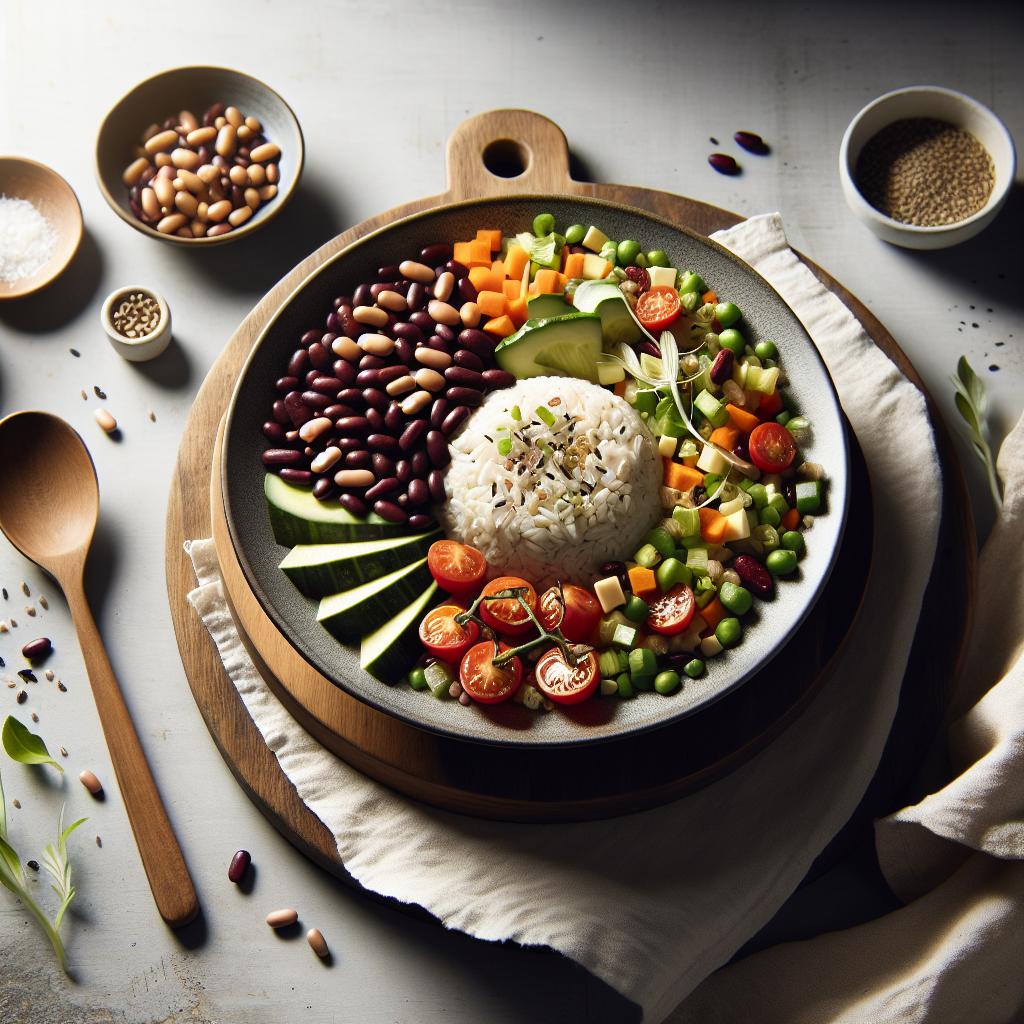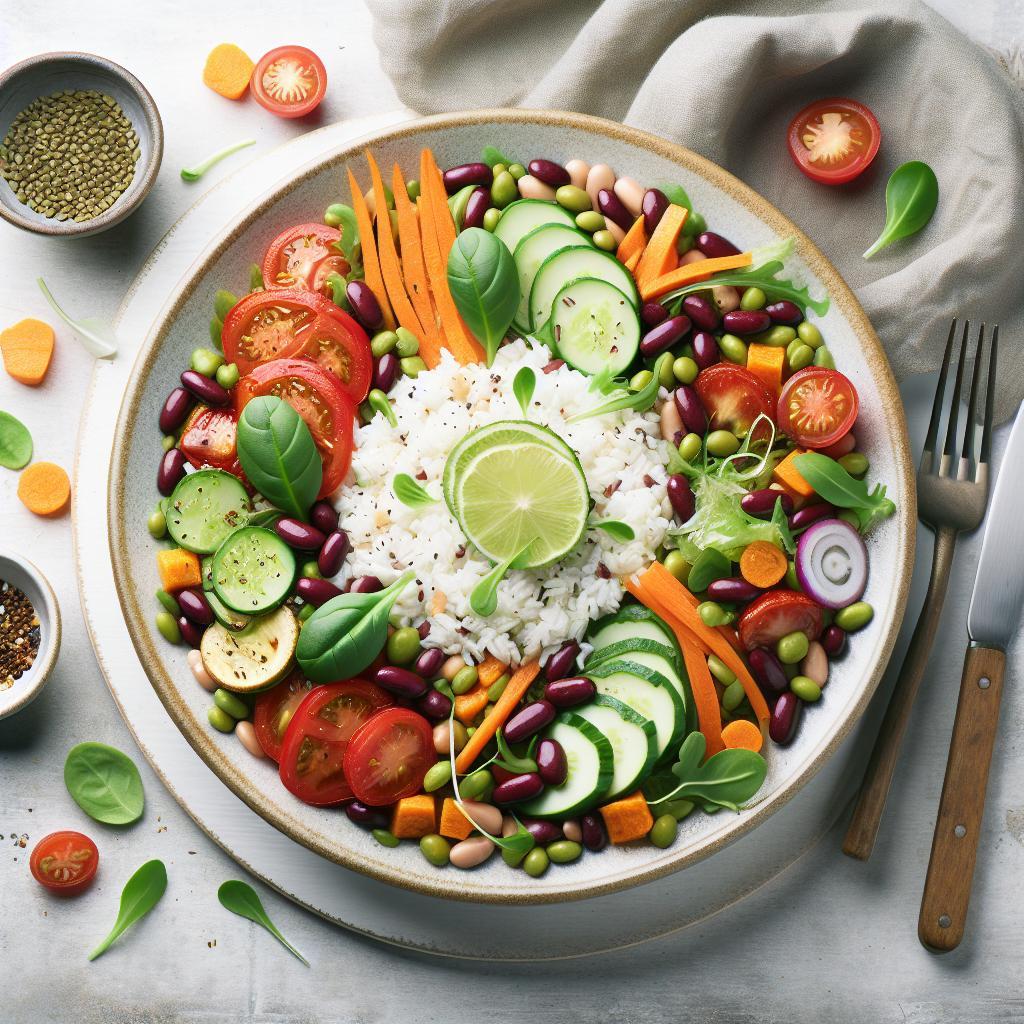

In kitchens across continents, from bustling street markets in Latin America to cozy family tables in Asia and Africa, one duo reigns supreme: rice and beans. Often humble in appearance, these pantry staples unite to form a global powerhouse of nutrition and flavor, transcending cultures and cuisines with their perfect harmony. More than just ingredients, rice and beans tell a story of sustenance, tradition, and culinary ingenuity-a story that has fueled generations and continues to inspire chefs and home cooks alike. Join us on a flavorful journey to explore why this timeless pairing is much more than the sum of its parts.
Rice and beans hold a sacred place in kitchens worldwide-not only as an economical, hearty meal but also as a powerful source of nutrition. Their perfect balance of amino acids unlocks complete protein potential, making this humble duo a cornerstone for vibrant health and culinary delight. Inspired by my travels through the Caribbean and Latin America, where rice and beans are staples at every family gathering, this recipe celebrates their rich cultural heritage and incredible versatility.
Prep and Cook Time
Prep: 20 minutes | Cook: 40 minutes | Total: 1 hour
Yield
Serves 4 generously
Difficulty Level
Easy – perfect for beginners and weeknight cooking
Ingredients
- 1 cup long-grain white rice, rinsed until water runs clear
- 1 ½ cups cooked black beans (or 1 can, drained and rinsed)
- 2 tablespoons olive oil
- 1 small onion, finely chopped
- 3 cloves garlic, minced
- 1 bell pepper (red or green), diced
- 1 teaspoon ground cumin
- 1 teaspoon smoked paprika
- 1 teaspoon dried oregano
- Salt and freshly ground black pepper to taste
- 2 ¼ cups vegetable broth (or water)
- Fresh cilantro for garnish
- 1 lime, cut into wedges (optional)
Instructions
- Prepare the aromatics: Heat the olive oil in a medium saucepan over medium heat. Add the onion and bell pepper, sautéing until softened and fragrant, about 5 minutes.
- Add garlic and spices: Stir in the minced garlic, cumin, smoked paprika, and oregano. Cook for another minute until the spices bloom, releasing their rich aromas.
- Toast the rice: Add the rinsed rice to the pot, stirring constantly to lightly toast the grains for 2-3 minutes. This enhances the nuttiness and prevents clumping.
- Simmer the rice: Pour in the vegetable broth, season with salt and pepper, and bring to a gentle boil. Reduce the heat to low, cover tightly, and simmer for 15 minutes without lifting the lid.
- Incorporate the beans: Gently fold in the cooked black beans, cover again, and cook for an additional 10 minutes until the rice is tender and liquid is absorbed.
- Rest before serving: Remove from heat and let the rice and beans rest, covered, for 5 minutes. Fluff with a fork to separate the grains and beans.
Tips for Success
- Make it your own: Swap black beans for pinto, kidney, or chickpeas for a different cultural twist.
- For extra depth: Sauté a bay leaf with the aromatics or add a splash of coconut milk at step 4 for creaminess.
- Meal prep friendly: This dish reheats beautifully and tastes even better the next day as flavors meld.
- Rinse rice thoroughly: Washing rice removes excess starch to keep the grains separate and fluffy.
- Adjust seasoning late: Beans tend to absorb salt differently; taste and fine-tune seasoning after cooking.
Serving Suggestions
Serve this wholesome rice and beans creation topped with freshly chopped cilantro and a squeeze of lime juice for brightness. Pair it with a side of sliced avocado or plantain chips to introduce creamy or crispy textures. For a heartier meal, offer alongside grilled chicken, sautéed greens, or a fresh tomato salad to balance flavors and add vibrancy.

| Nutrient | Per Serving |
|---|---|
| Calories | 320 kcal |
| Protein | 13 grams |
| Carbohydrates | 55 grams |
| Fat | 5 grams |
| Fiber | 8 grams |
For more inspiring recipes that highlight staple ingredients, check out our collection of wholesome grain dishes. Discover the science behind plant-based proteins with this in-depth resource from Harvard T.H. Chan School of Public Health.
Q&A
Q&A: Rice and Beans – The Global Powerhouse of Nutrition and Flavor
Q1: Why are rice and beans considered a global powerhouse of nutrition?
A: Rice and beans together create a nutritional harmony that complements each other perfectly. Rice is rich in carbohydrates, providing steady energy, while beans are packed with protein, fiber, vitamins, and minerals like iron and folate. When combined, they form a complete protein-something rare in plant-based foods-which supports muscle repair and overall health, making this duo a staple in many cultures worldwide.
Q2: How did rice and beans become such a beloved combination around the world?
A: This pairing is a delicious story of history, geography, and culture. Rice thrives in warm, wet climates, common in Asia, Latin America, and parts of Africa, while beans flourish in diverse soils everywhere. Historically, these crops traveled through trade routes and colonization, blending culinary traditions. Over centuries, people recognized their complementary flavors and nutrition, making them a versatile foundation in cuisines from Brazilian feijoada to Caribbean rice and peas.
Q3: What makes the flavor of rice and beans so universally appealing?
A: The flavor magic lies in simplicity and adaptability. Rice acts as a neutral, fluffy canvas that absorbs the rich, earthy, and sometimes smoky notes of beans and spices. Whether seasoned with garlic, cumin, cilantro, or coconut milk, this duo transforms into a symphony of tastes. Plus, their texture contrast-the creamy beans against tender rice-delights the palate with every bite.
Q4: Can rice and beans support specialized diets or nutritional needs?
A: Absolutely! This pair fits beautifully into vegetarian, vegan, gluten-free, and budget-conscious diets. Their blend offers plant-based protein and fiber, aiding digestion and promoting satiety. Moreover, rice and beans boast a low glycemic index, which helps regulate blood sugar levels-making them an excellent choice for diabetic-friendly meals.
Q5: Are there creative ways to enjoy rice and beans beyond the traditional plate?
A: Endless! From hearty burrito bowls and soulful stews to crispy bean fritters with a side of saffron rice or even rice and bean salads tossed with fresh herbs and zesty dressings, the possibilities are limitless. Exploring different types of beans, rice varieties, and spices unlocks a global pantry of flavors that keeps this classic combo exciting.
Q6: What cultural significance do rice and beans hold around the world?
A: More than just food, rice and beans symbolize community, resilience, and identity. In many cultures, sharing a meal of rice and beans is a symbol of hospitality and family unity. For example, in West Africa, rice and beans dishes often mark celebrations, while in Latin America, they’re everyday comforts representing generations of tradition and survival.
Q7: How can beginners master cooking rice and beans to bring out their best in nutrition and taste?
A: Start with soaking dried beans overnight to reduce cooking time and improve digestibility. Use broth or aromatic water for cooking rice instead of plain water to infuse flavor. Don’t shy away from spices like bay leaves, smoked paprika, or fresh herbs-they elevate the dish immensely. Finally, patience is key: slow-cooked beans achieve creaminess and depth, while perfectly fluffy rice creates the ideal balance.
Embracing rice and beans is embracing a global culinary treasure that nourishes body and soul-proof that the simplest ingredients often deliver the richest stories.
Final Thoughts
In every corner of the globe, rice and beans come together as a timeless duet-simple yet profound, humble yet mighty. Their union is more than just a meal; it’s a celebration of culture, nutrition, and culinary ingenuity. From bustling city streets to quiet village tables, this duo fuels millions with balanced protein, rich fiber, and vibrant flavor. As we continue to explore sustainable and accessible food sources, rice and beans stand firmly at the crossroads of tradition and innovation-a global powerhouse that nourishes both body and soul. So next time you savor this classic combo, remember: you’re tasting a story that binds continents and generations in every delicious bite.