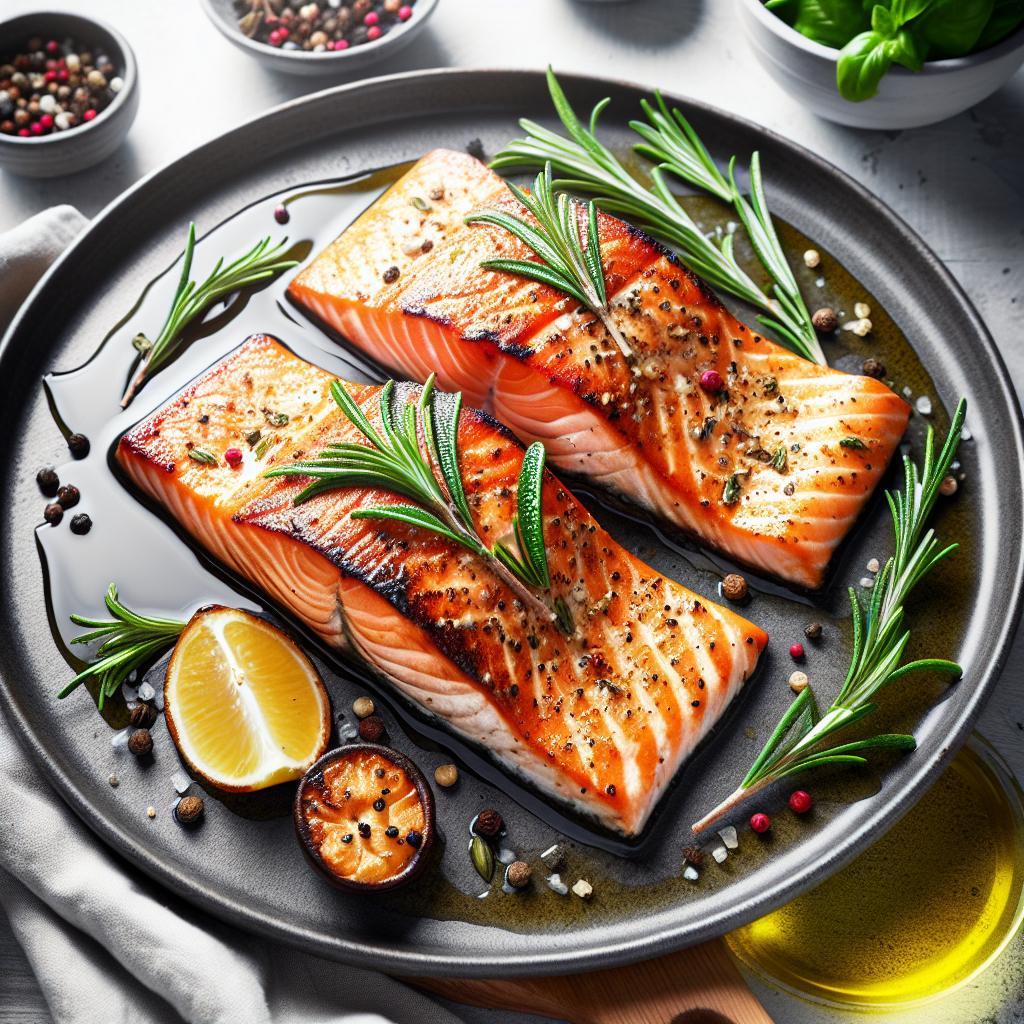

There’s something undeniably satisfying about a perfectly baked salmon fillet-the way its tender, flaky flesh yields effortlessly to the fork, releasing a subtle symphony of rich, buttery flavors. Beyond its exquisite taste, salmon stands as a powerhouse of nutrition, brimming with heart-healthy omega-3 fatty acids, high-quality protein, and essential vitamins. In this article, we’ll dive into the art and science of baking salmon to perfection, unlocking tips and techniques that transform a simple fillet into a wholesome culinary masterpiece. Whether you’re a seasoned chef or a kitchen novice, discovering how to bake salmon just right promises not only a delicious meal but a nourishing boost for your body and soul.
- Selecting the Freshest Salmon for Optimal Flavor and Nutrition
- Mastering the Art of Seasoning: Elevate Your Salmon with Simple Ingredients
- Achieving the Ideal Bake: Temperature and Timing Tips for Moist, Flaky Fillets
- Creative Serving Suggestions to Turn Your Salmon into a Gourmet Meal
- Prep and Cook Time
- Yield
- Difficulty Level
- Ingredients
- Instructions
- Tips for Success
- Serving Suggestions
- Nutritional Information
- Q&A
- To Wrap It Up
Selecting the Freshest Salmon for Optimal Flavor and Nutrition
Perfectly baked salmon fillets begin with one crucial step: choosing the freshest fish. When selecting salmon, look for vibrant pink or reddish-orange flesh that appears moist and firm to the touch. Fresh salmon should have a bright, clean scent reminiscent of the ocean-never fishy or sour. If buying whole, clear, bulging eyes and shiny skin are good freshness indicators. Fillets should be slightly translucent and spring back when pressed gently.
Opt for wild-caught salmon when possible; it tends to have a richer flavor and superior omega-3 content compared to farmed varieties. Remember, freshness not only enhances taste but preserves vital nutrients, setting the foundation for perfectly baked salmon fillets that delight both palate and health.
Mastering the Art of Seasoning: Elevate Your Salmon with Simple Ingredients
The best seasoning lets the salmon’s natural richness shine while adding depth and balance. A simple blend of sea salt, freshly cracked black pepper, and a drizzle of extra-virgin olive oil is a classic yet elegant start. Adding fresh herbs like dill, thyme, or rosemary brings fragrant, aromatic layers that complement the fish without overpowering it.
For a gentle citrus touch, zest or juice of lemon or lime brightens the flavors beautifully. Garlic powder, smoked paprika, or a hint of ground coriander can introduce subtle complexity for adventurous palates. Remember, seasoning is about enhancing the salmon, not masking it-less is often more.
Achieving the Ideal Bake: Temperature and Timing Tips for Moist, Flaky Fillets
Perfectly baked salmon fillets require precise temperature and timing to achieve that coveted moist, flaky texture. Preheat your oven to 375°F (190°C)-a sweet spot that cooks evenly without drying the fish. Place the fillets skin-side down on a baking sheet lined with parchment paper or lightly greased foil for effortless cleanup.
- Season your fillets generously but wisely, allowing flavors to penetrate as the salmon bakes gently.
- Bake for 12-15 minutes, depending on thickness-generally, 4-6 minutes per ½ inch of thickness. The salmon should flake easily with a fork yet remain moist and glossy inside.
- Check doneness by inserting a fork at the thickest part of the fish; if it flakes and the center is opaque but still tender, it’s ready.
Avoid overcooking, which leads to dryness; subtle carryover heat will finish cooking the fish after removal from the oven.
Creative Serving Suggestions to Turn Your Salmon into a Gourmet Meal
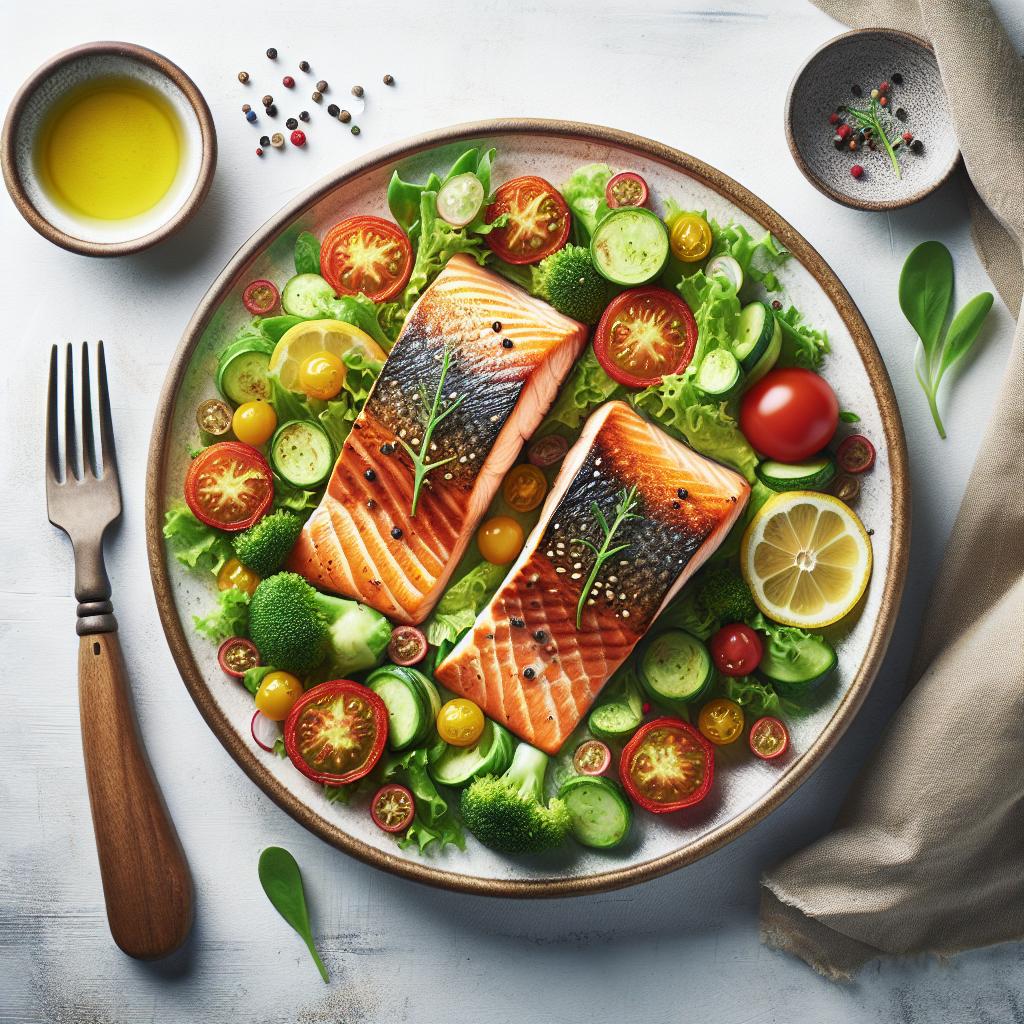
Transform your perfectly baked salmon fillets into a stunning culinary experience with thoughtful plating and vibrant accompaniments. Serve atop a bed of creamy mashed potatoes or wholesome quinoa salad studded with cherry tomatoes, cucumbers, and fresh herbs for refreshing contrast.
Drizzle a zesty dill yogurt sauce or a bright lemon-butter glaze over the fillets to elevate visual appeal and flavor harmony. Garnish with thin lemon slices, a sprinkle of chopped fresh parsley, and a few edible flowers for a restaurant-quality finish.
Pair with seasonal roasted vegetables like asparagus, baby carrots, or Brussels sprouts to add color, texture, and nutrition-making your meal as nourishing as it is delicious.
Prep and Cook Time
- Prep: 10 minutes
- Cook: 12-15 minutes
- Total: 25 minutes
Yield
Serves 4 generously
Difficulty Level
Easy
Ingredients
- 4 salmon fillets (6 oz each), skin on, about 1-inch thick
- 2 tablespoons extra-virgin olive oil
- 1 teaspoon sea salt
- ½ teaspoon freshly ground black pepper
- 1 teaspoon lemon zest (from about 1 lemon)
- 1 tablespoon fresh dill, finely chopped
- 1 teaspoon garlic powder (optional)
- Lemon wedges for serving
Instructions
- Preheat your oven to 375°F (190°C) and line a baking sheet with parchment paper.
- Pat the salmon fillets dry with paper towels to remove excess moisture. This helps achieve a nice sear and crisp skin.
- Place fillets skin-side down on the prepared baking sheet. Drizzle olive oil evenly over each fillet.
- Sprinkle sea salt, black pepper, lemon zest, dill, and garlic powder evenly on all fillets.
- Bake for 12-15 minutes, monitoring closely after 10 minutes; the salmon should flake easily but remain moist and opaque.
- Remove from the oven and let rest for 2 minutes before serving-this allows the juices to redistribute.
- Serve fillets with fresh lemon wedges and garnished with additional dill if desired.
Tips for Success
- Check fillet thickness: Adjust baking time based on thickness to avoid overcooking-thinner fillets need less time.
- Skin on: Keeping the skin helps lock moisture in during baking and makes for easier handling.
- Make-ahead seasoning: Apply seasoning up to 30 minutes before baking to deepen flavor, but keep refrigerated.
- Substitutions: Fresh thyme or parsley work well instead of dill; smoked paprika offers a subtle smoky note in place of garlic powder.
- Rest after baking: Let fillets rest to allow residual heat to finish cooking without drying out.
Serving Suggestions
- Plate salmon over garlic mashed potatoes with a side of steamed green beans.
- Top with a dollop of tangy Greek yogurt mixed with chopped cucumber and dill for a refreshing tzatziki-style sauce.
- Pair with a vibrant quinoa salad studded with colorful bell peppers, cucumber, and fresh herbs for a light, healthy meal.
- Garnish with thin lemon slices, chopped fresh herbs, and a drizzle of high-quality olive oil for an elegant finish.
Nutritional Information
| Serving Size | Calories | Protein | Carbohydrates | Fat |
|---|---|---|---|---|
| 1 fillet (6 oz) | 320 | 34g | 1g | 20g |

For more inspirational seafood recipes, check out our Healthy Salmon Recipes collection. To learn more about the health benefits of omega-3 fatty acids in salmon, visit the American Heart Association.
Q&A
Q&A: Perfectly Baked Salmon Fillets – A Nutritious Delight
Q1: Why choose salmon for a nutritious meal?
A1: Salmon is a superstar in the world of nutrition. Packed with omega-3 fatty acids, high-quality protein, vitamins B12 and D, and essential minerals like selenium, it supports heart health, brain function, and glowing skin. It’s not just food-it’s brain fuel and body love wrapped in a pink fillet.
Q2: What makes baking the ideal method for cooking salmon?
A2: Baking salmon is gentle and even, preserving moisture and nutrients while creating a tender, flaky texture. Unlike frying, it requires less oil, making it a healthier choice. Plus, the oven’s steady heat helps infuse flavors without fuss, turning your kitchen into a fragrant haven of wellness.
Q3: How do you know when the salmon is perfectly baked?
A3: Perfectly baked salmon has a tender, opaque center that flakes easily with a fork but remains juicy. The internal temperature should hit around 125°F to 130°F for medium doneness. Resist the urge to overcook-the goal is melt-in-your-mouth softness, not dryness.
Q4: Can I experiment with flavors while keeping it healthy?
A4: Absolutely! Think fresh herbs like dill or thyme, zesty lemon slices, a drizzle of olive oil, or a sprinkle of smoked paprika. These add vibrant layers of flavor without extra calories or artificial ingredients, turning a simple fillet into a gourmet experience.
Q5: Is baking salmon time-consuming or complicated?
A5: Not at all. Baking salmon is a quick, no-fuss affair. Usually, 12-15 minutes in a 375°F oven is all it takes. It’s perfect for busy weeknights or lazy weekends, delivering gourmet results with minimal effort.
Q6: What sides pair best with baked salmon?
A6: For a nutrient-packed feast, pair salmon with roasted vegetables, quinoa, or a fresh leafy green salad. These sides complement the richness of the fish and add texture, color, and extra vitamins to your plate.
Q7: How can I make baked salmon appealing even to picky eaters?
A7: Keep it simple and flavorful-sometimes a light honey-mustard glaze or a sprinkle of parmesan can win over hesitant palates. Present the salmon with colorful sides and let the natural taste shine through; often, it’s all about balance and bright, approachable flavors.
Q8: Can baked salmon fit into special diets like keto or gluten-free?
A8: Definitely! Salmon is naturally gluten-free and keto-friendly due to its high protein and healthy fat content. Baking it with low-carb herbs and spices makes it a perfect fit for many dietary plans focused on wholesome, satisfying nutrition.
Q9: What is one expert tip to elevate my baked salmon?
A9: Try letting your salmon rest for a few minutes after baking. This allows the juices to redistribute, ensuring each bite is succulent and flavorful. It’s a small step with a big flavor payoff!
Delighting your taste buds with perfectly baked salmon fillets is not just a culinary win-it’s a celebration of health and flavor in every bite. Happy baking!
To Wrap It Up
In the art of crafting perfectly baked salmon fillets, nutrition meets delicious simplicity, offering a meal that nourishes both body and soul. Whether you’re a seasoned chef or a kitchen novice, mastering this timeless dish brings more than just flavor to your table-it invites wellness and satisfaction with every bite. Embrace the ease and elegance of baking salmon, and let this nutritious delight become your go-to for wholesome, savory meals that shine with natural goodness. Your journey to a healthier plate starts here, with a fillet baked to perfection.