
There’s something truly magical about fish fillets that are baked to perfection-moist, flaky, and bursting with natural flavors that dance on your palate. Beyond their delicious taste, perfectly baked fish fillets are a powerhouse of health benefits, offering lean protein, essential omega-3 fatty acids, and a wealth of nutrients that support heart and brain health. In this article, we’ll dive into the art and science of baking fish fillets, exploring techniques that preserve their delicate texture and amplify their subtle flavors. Whether you’re a seasoned chef or a kitchen novice, get ready to unlock the secrets to creating a wholesome, flavorful dish that’s as nourishing as it is delightful.
Choosing the Best Fish for Optimal Flavor and Nutrition
Perfectly Baked Fish Fillets start with selecting the freshest, most flavorful fish available. Varieties such as wild-caught cod, halibut, or wild salmon are excellent choices that bring both rich taste and vital nutrients like omega-3 fatty acids and lean protein to your plate. Look for fillets that have firm flesh, a translucent sheen, and a clean, sea-fresh aroma-these qualities ensure optimal flavor and moisture retention throughout baking. For a nutrient-packed meal, prioritize sustainably sourced, skin-on fillets which help lock in flavor and healthy oils during cooking.
Mastering the Art of Seasoning to Elevate Every Bite
Seasoning is the secret to transforming simple fish into a culinary masterpiece. A delicate balance of freshly cracked black pepper, sea salt, and bright citrus zest will awaken the natural flavors of your fillets. Consider layering with aromatic herbs like dill, thyme, or parsley to add a fragrant complexity that pairs beautifully with the fish’s mild profile. For a subtle depth, a light brush of extra virgin olive oil infused with garlic or a sprinkle of smoked paprika can provide a gentle smoky warmth, enhancing each bite without overpowering the fish’s pure essence.
Expert Techniques for Achieving Flaky, Moist Fillets
Achieving perfectly baked fish fillets means understanding how to keep them moist and tender while ensuring the flesh flakes effortlessly. Begin by preheating your oven to a moderate 375°F (190°C) so the fish cooks evenly. Always pat the fillets dry and lightly oil the baking dish or parchment paper; this prevents sticking and subtly crisps the surface. Baking times vary by thickness: generally 10 minutes per inch of thickness works well. To check doneness, gently test with a fork at the thickest part-when the fish flakes easily without resistance, it’s ready. Avoid overbaking to keep those succulent textures intact.
Healthy Sides and Serving Suggestions to Complement Your Fish
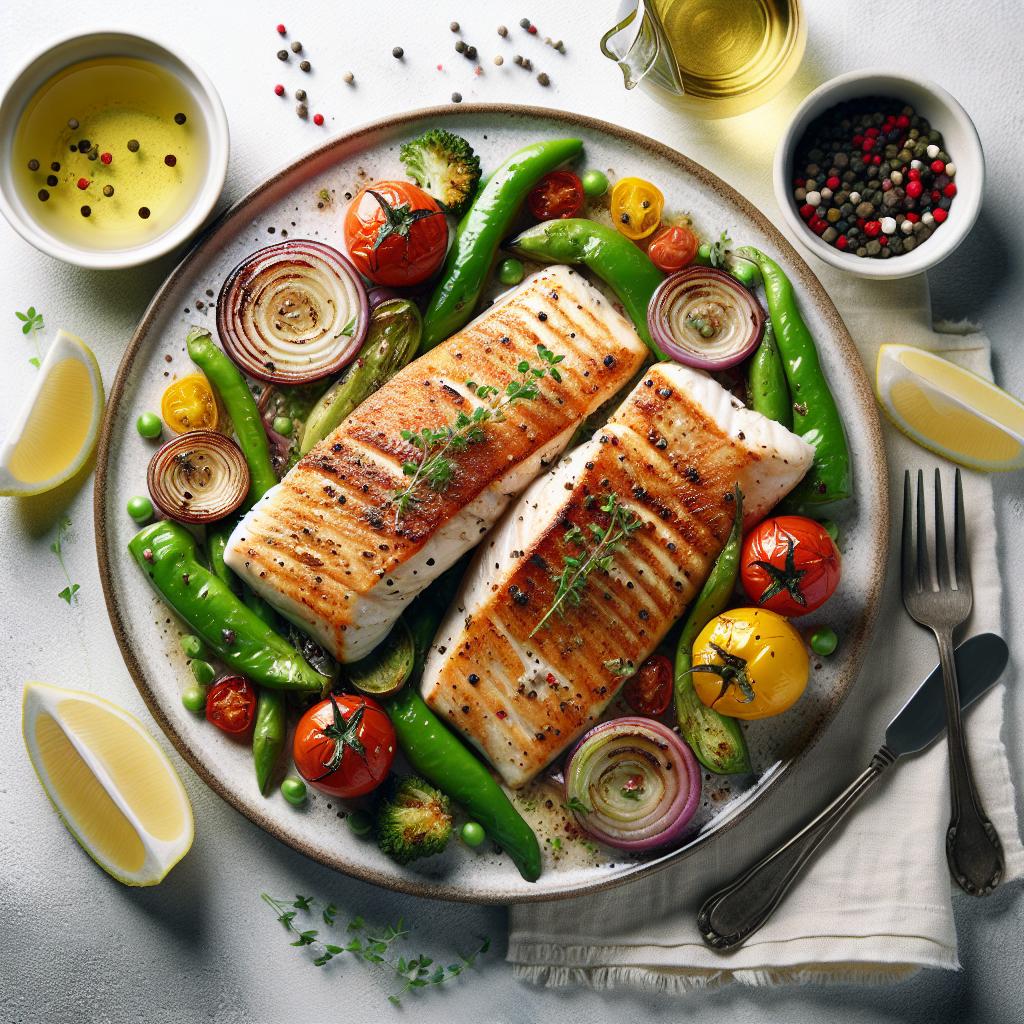
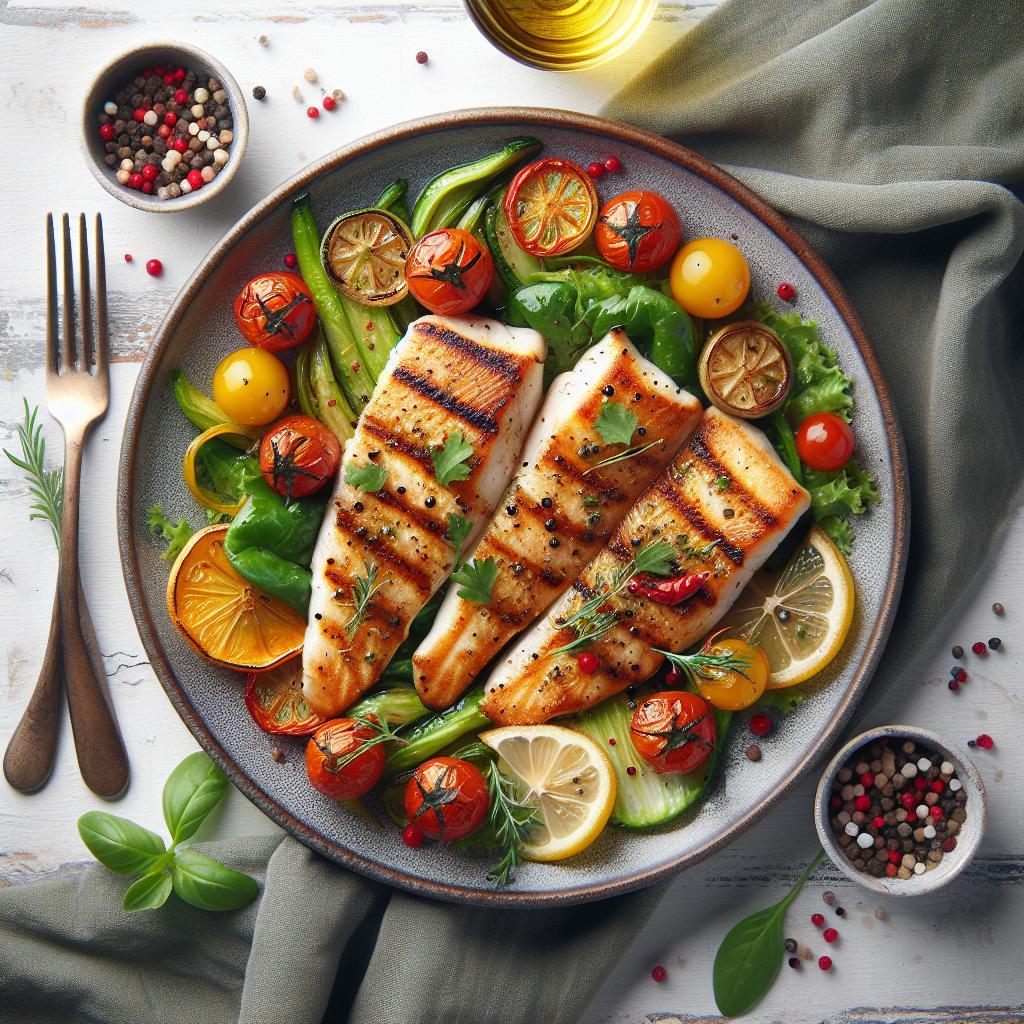
Pair your fillets with vibrant, nutrient-rich sides that boost both color and flavor at the table. Roasted seasonal vegetables – think asparagus spears, baby carrots, or Brussels sprouts – add a pleasantly caramelized contrast. A fresh salad tossed with citrus vinaigrette provides a refreshing crispness, while whole grains like quinoa or brown rice offer wholesome substance. Finish with fresh lemon wedges and a sprinkle of chopped herbs for a bright, inviting presentation. Serve immediately to enjoy the perfect harmony of textures and flavors in every mouthful.
Prep and Cook Time
- Preparation: 10 minutes
- Cooking: 15 minutes
- Total: 25 minutes
Yield
Serves 4
Difficulty Level
Easy
Ingredients
- 4 skin-on fish fillets (cod, halibut, or salmon, ~6 oz each)
- 2 tablespoons extra virgin olive oil
- 1 teaspoon sea salt
- ½ teaspoon freshly cracked black pepper
- 1 teaspoon lemon zest (from 1 lemon)
- 1 tablespoon fresh dill, finely chopped
- 1 lemon, sliced into wedges for serving
- Optional: ½ teaspoon smoked paprika or garlic powder
Instructions
- Preheat the oven to 375°F (190°C) and line a baking sheet with parchment paper or lightly grease with olive oil to prevent sticking.
- Pat the fish fillets dry with paper towels to remove excess moisture for a better crust.
- Brush each fillet lightly with olive oil, then season both sides evenly with sea salt, black pepper, lemon zest, and dill. If using, sprinkle smoked paprika or garlic powder lightly on top for added depth.
- Place the fillets skin-side down on the prepared baking sheet, spacing them evenly to ensure proper heat circulation.
- Bake in the preheated oven for 10-15 minutes, depending on fillet thickness. A general rule is 10 minutes per inch of thickness. Check by gently inserting a fork at the thickest part to see if the fish flakes easily.
- Remove from oven and rest for 2 minutes. This allows juices to redistribute and ensures moist, tender bites.
- Serve immediately garnished with fresh lemon wedges and an extra sprinkle of chopped dill for color and brightness.
Chef’s Notes
- For extra crisp skin, broil the fish for the last 2 minutes of baking while watching carefully to prevent burning.
- Swap dill for fresh parsley or tarragon for a different herbaceous note.
- Make it ahead by seasoning the fillets; cover tightly and refrigerate for up to 2 hours before baking.
- If your fillets are especially thick, tent loosely with foil to prevent the exterior from drying out before the center cooks through.
Serving Suggestions
Plate your perfectly baked fish fillets alongside a warm quinoa salad tossed with cherry tomatoes and cucumber, or a crisp arugula and fennel slaw drizzled with lemon vinaigrette. Garnish with a sprig of fresh dill or parsley and a wedge of lemon to brighten each serving. A drizzle of garlic-infused olive oil over the fish just before serving further elevates the dish for a refined yet simple presentation.

| Nutrient | Per Serving |
|---|---|
| Calories | 220 kcal |
| Protein | 28 g |
| Carbohydrates | 1 g |
| Fat | 10 g |
For more seafood inspiration, check out our healthy grilled salmon recipes. To learn more about the health benefits of omega-3 fatty acids in fish, visit American Heart Association.
Q&A
Q&A: Perfectly Baked Fish Fillets – A Healthy, Flavorful Delight
Q1: Why choose baked fish fillets over other cooking methods?
A1: Baking fish fillets is a gentle cooking method that preserves the delicate texture and natural flavors of the fish. Unlike frying, it requires little to no added fat, making it a heart-healthy choice. Plus, the oven’s even heat ensures each bite is cooked to perfection – moist on the inside with a subtly crisp exterior.
Q2: What types of fish are best suited for baking?
A2: Mild, flaky white fish such as cod, tilapia, haddock, or sole shine in the oven, but fatty fish like salmon or trout also bake beautifully. Each brings its unique flavor and nutritional profile – for instance, salmon adds a boost of omega-3s, while white fish offers a blank canvas for herbs and spices.
Q3: How can I keep my baked fish fillets from drying out?
A3: Moisture is key! Marinate your fillets briefly in lemon juice, olive oil, and herbs or simply brush them with a flavored butter or olive oil. Baking at a moderate temperature (around 375°F/190°C) and using a timer to avoid overcooking will help the fish stay tender and juicy.
Q4: What are some creative seasoning ideas for baked fish?
A4: Think beyond salt and pepper! Citrus zest, garlic, fresh dill, smoked paprika, or even a dash of curry powder can transform your fillets. For a Mediterranean twist, top with sun-dried tomatoes, olives, and capers. Asian flavors like ginger, soy sauce, and sesame oil also create a deliciously savory profile.
Q5: Can I prepare baked fish fillets ahead of time?
A5: Absolutely! You can season and marinate your fillets a few hours before baking to deepen the flavors. However, it’s best to bake fish fresh to maintain optimal texture. If you need to prepare in advance, cook the fillets fully, then gently reheat covered in the oven or microwave just before serving.
Q6: What sides pair beautifully with baked fish fillets?
A6: For a balanced and vibrant plate, consider roasting colorful vegetables like asparagus or cherry tomatoes, pairing with a quinoa salad, or serving alongside herbed mashed potatoes. A simple green salad with a zesty vinaigrette will also brighten up the meal.
Q7: How do baked fish fillets contribute to a healthy diet?
A7: Fish is an excellent source of lean protein, vitamins, and minerals such as vitamin D and selenium. Baking preserves these nutrients without adding extra calories from oil or breadcrumbs. Regularly including baked fish in your meals supports heart health, brain function, and overall well-being – all while delighting your taste buds!
This Q&A demystifies the art of baking fish fillets perfectly, combining health wisdom with flavorful inspiration. Whether you’re a kitchen novice or a seasoned cook, these insights will help you create a nourishing seafood feast that feels like a celebration on the plate.
Closing Remarks
In the quest for a meal that marries health with irresistible flavor, perfectly baked fish fillets stand out as a shining example. With their delicate texture, vibrant seasonings, and simple preparation, they transform everyday dining into a nourishing experience worth savoring. Whether you’re a seasoned seafood lover or venturing into fish for the first time, baking your fillets to perfection invites both wellness and taste to the table. So next time you crave a dish that’s as wholesome as it is delightful, remember: the secret to culinary satisfaction might just lie in the gentle heat of your oven and a fresh fish fillet ready to shine.