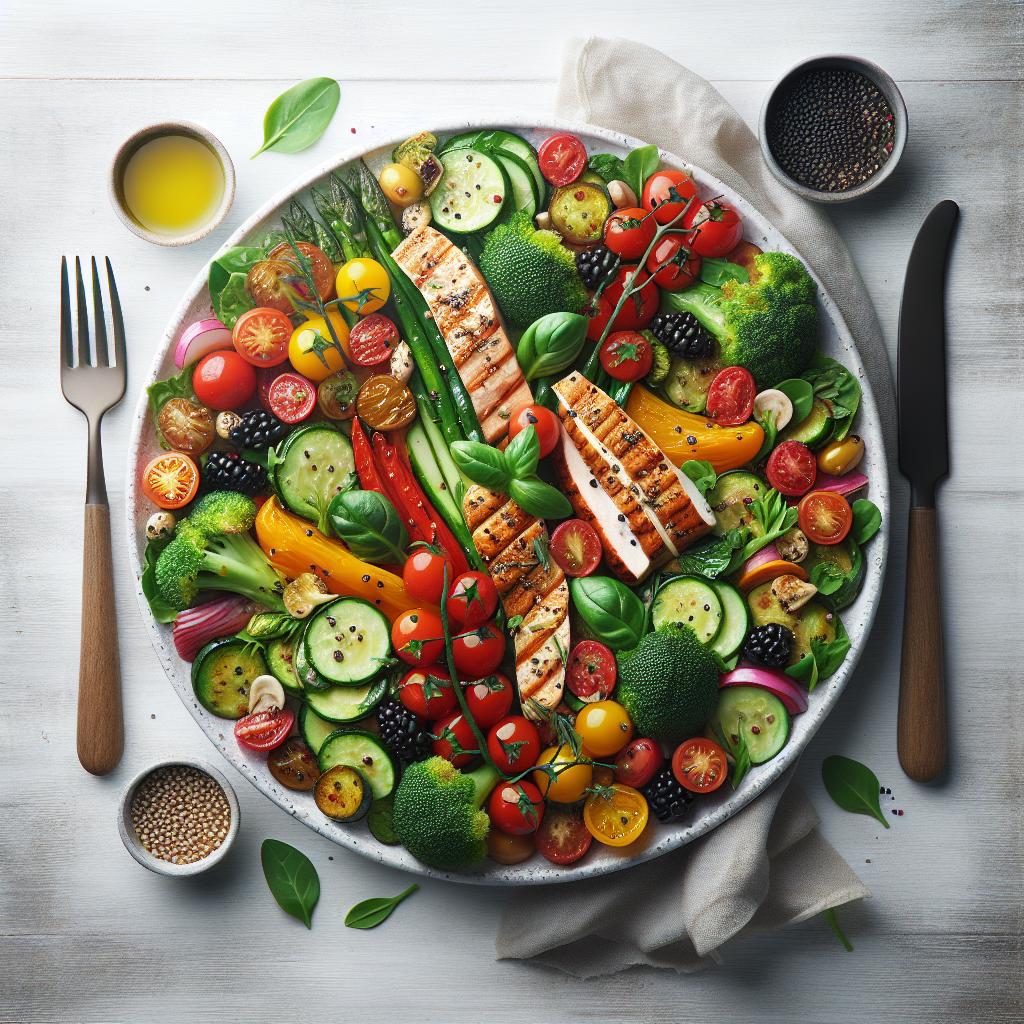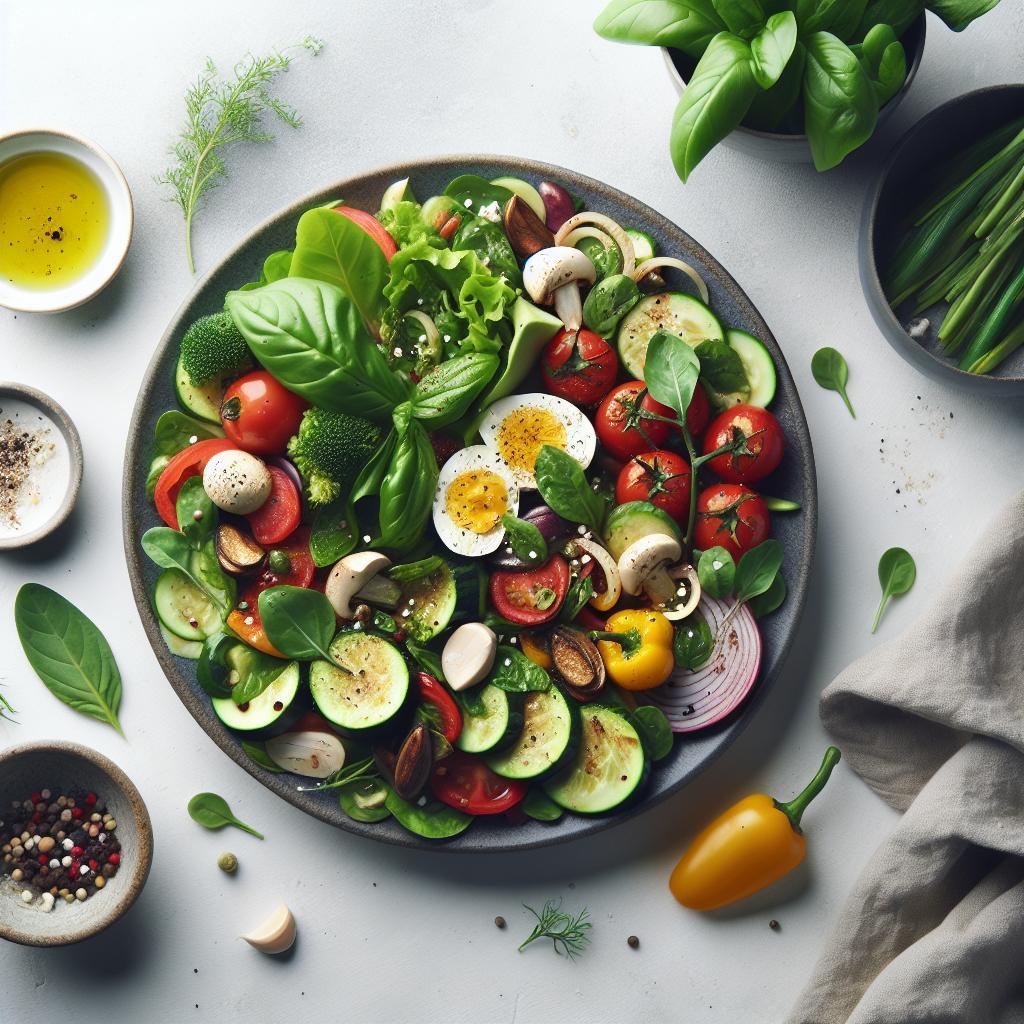
In a world where vibrant fruits and crisp vegetables tempt us from every corner, there’s nothing more rewarding than bringing fresh produce into our kitchens. Yet, too often, these colorful treasures wilt away unused, lost to time and forgetfulness. Imagine if every leaf of lettuce, every ripe tomato, and every fragrant herb could shine in your meals, their flavors amplified rather than wasted. Welcome to a delicious journey where creativity meets practicality-where you’ll learn clever, inventive ways to maximize freshness and transform every piece of produce into a masterpiece of taste and nutrition. Say goodbye to spoilage and hello to a bountiful bounty that brings joy to your table, every day.
Maximize Freshness: Creative Tips to Use All Your Produce
Maximize freshness in your kitchen by unlocking the full potential of your produce through smart storage, inventive leftover recipes, and nutrient-preserving freezing and drying techniques. I remember a chilly autumn afternoon when my fridge was overflowing with seasonal veggies and herbs-rather than letting anything go to waste, I transformed scraps into vibrant meals full of layered flavors and nourishing value. This approach not only respects the ingredients but also elevates everyday cooking into a mindful culinary adventure.
Prep and Cook Time
Preparation: 15 minutes | Cooking: 25 minutes | Total: 40 minutes
Yield
Serves 4 generous portions
Difficulty Level
Medium – approachable for home cooks ready to embrace resourceful techniques
Ingredients
- 2 cups mixed seasonal vegetables (carrots, beets, kale, trimmed and chopped)
- 1 cup leftover cooked grains (quinoa, rice, or barley)
- 1 cup cooked beans (black beans or chickpeas, rinsed if canned)
- 2 tablespoons olive oil, plus extra for roasting
- 1 medium onion, diced
- 3 cloves garlic, minced
- 1 teaspoon smoked paprika
- 1 teaspoon dried oregano
- Salt and freshly ground black pepper, to taste
- Juice of 1 lemon
- Fresh herbs, such as parsley or cilantro for garnish
- Optional: ¼ cup nuts or seeds (toasted pumpkin seeds or chopped walnuts)
Instructions
- Preheat your oven to 425°F (220°C). Toss the mixed seasonal vegetables with 1 tablespoon olive oil, salt, and pepper. Spread evenly on a lined baking sheet and roast until tender and caramelized, about 20 minutes. Flip halfway through for even browning.
- While veggies roast, heat the remaining tablespoon of olive oil in a large skillet over medium heat. Add diced onion and sauté until translucent, about 5 minutes. Stir in minced garlic and sauté another minute until fragrant.
- Add the cooked grains and beans to the skillet. Sprinkle in smoked paprika, oregano, salt, and pepper. Stir gently to combine and heat through, allowing the spices to infuse. Cook for 5 minutes, stirring occasionally.
- Remove the skillet from heat and stir in the lemon juice. Taste and adjust seasoning as needed to brighten flavors.
- Once the vegetables are roasted, fold them gently into the grain and bean mixture. For an added crunch, toss in toasted nuts or seeds.
- Serve warm, garnished with fresh herbs to highlight the vibrant seasonal palette. Enjoy with a crisp side salad or crusty bread for a complete meal.
Tips for Success
- To preserve peak nutrients while roasting, avoid overcooking vegetables. They should be tender yet maintain a slight bite and vibrant color.
- Feel free to experiment with alternate storage methods like blanching then freezing leftover veggies to extend freshness without sacrificing texture.
- For a creative twist, dry leftover herbs and blend into a herb salt or sprinkle for added flavor punch.
- This recipe is perfect for spotlighting lesser-known seasonal produce like kohlrabi or sunchokes-snap up local finds and incorporate them roasted to add excitement.
- If you prefer a vegan alternative with extra creaminess, stir in a spoonful of tahini or avocado just before serving.
Serving Suggestions
Present this dish in a wide, shallow bowl to showcase the colorful layers of roasted vegetables and grains. Garnish with vibrant herb sprigs and a drizzle of extra virgin olive oil. Pair with chilled sparkling water infused with fresh citrus or a glass of crisp white wine to balance the heartiness. Leftovers can be repurposed into stuffed peppers or wrapped in fresh lettuce leaves for easy lunches.

| Nutrient | Amount per Serving |
|---|---|
| Calories | 320 kcal |
| Protein | 12 g |
| Carbohydrates | 45 g |
| Fat | 9 g |
For further inspiration on innovative storage and repurposing methods, explore our Smart Kitchen Storage Tips. To deepen your understanding of nutrient preservation through freezing and drying, the British Nutrition Foundation offers excellent resources.
Q&A
Q&A: Maximize Freshness – Creative Tips to Use All Your Produce
Q: Why is it important to use all my produce before it spoils?
A: Not only does using all your produce reduce food waste and save money, but it also ensures you’re getting the full nutritional bang from your garden-fresh or store-bought goodies. Plus, nothing beats the satisfaction of turning every carrot, herb, or berry into a delicious creation!
Q: What’s the best way to store leafy greens to keep them fresh longer?
A: Think of leafy greens as delicate divas-they love a spa treatment! After rinsing, pat them dry and gently wrap in a slightly damp paper towel. Store them in an airtight container or perforated bag in the fridge. This keeps moisture balanced and prevents wilting, so your greens stay crisp and vibrant.
Q: How can I creatively use overripe fruits?
A: Overripe fruits are a gift in disguise! Toss them into smoothies, bake them into muffins, or simmer them to make luscious jams and sauces. They add natural sweetness and depth of flavor without any added sugar.
Q: Any clever hacks to extend the life of herbs?
A: Absolutely! Treat fresh herbs like fresh flowers-trim the stems and place them in a jar of water, covering loosely with a plastic bag in the fridge. Alternatively, chop and freeze them in ice cube trays with olive oil or water, ready to brighten up your dishes anytime.
Q: What’s a fun way to use excess vegetables before they go bad?
A: Stir-fries, frittatas, and grain bowls are your best friends. Chop whatever veggies you have on hand and toss them into these flexible recipes. Soups and homemade veggie broths are also fantastic for transforming “leftovers” into delicious new meals.
Q: Can I freeze fresh produce without losing flavor or texture?
A: Freezing is a fantastic way to preserve produce, but some veggies-like cucumbers or lettuce-don’t freeze well raw. Blanching vegetables before freezing helps retain color, nutrients, and texture. Fruits generally freeze beautifully and are perfect for smoothies or desserts later.
Q: Any tips for keeping root vegetables fresh?
A: Root veggies love cool, dark, and dry conditions. Store carrots, beets, and potatoes in a breathable bag or basket away from direct light and moisture. Avoid storing potatoes with onions, though, as they emit gases that can spoil each other faster.
Q: How can I use small quantities of leftover produce creatively?
A: Small bits of produce are perfect for pesto, salsa, infused oils, or homemade salad dressings. Even veggie scraps can flavor stocks and soups, turning every morsel into a building block of flavor.
Q: What’s a zero-waste tip to make the most of my produce?
A: Get to know your compost-or better yet, start one! Vegetable peels, stems, and cores can nurture your garden soil. And if composting isn’t possible, look for community programs that accept food scraps. Every peel saved is a step toward a greener planet.
Q: How can I stay inspired to use all my produce creatively?
A: Keep your kitchen playful and your palate curious! Experiment with new recipes, join cooking challenges, or share meals with friends. Remember, every meal is an opportunity to turn vibrant vegetables into culinary masterpieces-and reduce waste while you’re at it.
The Conclusion
In the quest to savor every vibrant bite and honor the bounty of your kitchen, maximizing produce freshness becomes an art form-one that transforms simple ingredients into memorable meals. By embracing creative storage techniques, inventive recipes, and a touch of culinary curiosity, you not only reduce waste but also unlock a world of flavors bursting with vitality. So next time you face a basket brimming with greens, colorful peppers, or sun-ripened tomatoes, remember: freshness isn’t just a fleeting moment-it’s a journey. Dive in, experiment boldly, and let every piece of produce shine its brightest. Your taste buds-and the planet-will thank you.