
There’s a sublime magic in the first spoonful of sorbet-the effortless glide of icy sweetness that instantly cools and refreshes. But achieving that perfect, velvety texture, free from gritty ice crystals and overwhelming sweetness, is an art as much as a science. Whether you’re a home cook eager to elevate your frozen desserts or a curious palate seeking a deeper appreciation, mastering smooth sorbet unlocks a world of vibrant flavors and delightful sensations. In this article, we’ll unveil the secrets behind creating silky, refreshing sorbets that dance on your tongue and brighten any occasion. Get ready to transform simple fruit juices and purees into luscious, dreamy treats that rival the finest gelato shops.
- Understanding the Science Behind Sorbet’s Silky Texture
- Choosing the Perfect Ingredients for Ultimate Creaminess
- Techniques to Achieve a Smooth and Refreshing Sorbet Every Time
- Troubleshooting Common Sorbet Issues for Flawless Results
- Prep and Cook Time
- Yield
- Difficulty Level
- Ingredients
- Instructions
- Chef’s Notes & Tips for Success
- Serving Suggestions
- Q&A
- Future Outlook
Understanding the Science Behind Sorbet’s Silky Texture
Mastering Smooth Sorbet unlocks the fascinating science that transforms simple fruit and sugar into a luxuriously silky, refreshing delight. Sorbet’s allure comes from the delicate balance of sugar concentration, freezing rate, and air incorporation, all of which prevent large ice crystals from forming and give that iconic velvet-smooth mouthfeel. The magic lies in making the water freeze just enough to become creamy without hardening into an icy block.
At its core, sorbet consists of water, sugar, and fruit solids or juices. Sugar acts as a natural antifreeze by lowering the freezing point, meaning the sorbet remains soft and scoopable rather than rock hard. Additionally, stirring or churning while freezing continuously breaks up ice crystals, encouraging a fine texture that melts beautifully on the tongue. Understanding this balance allows you to customize your sorbet’s texture and sweetness perfectly.
Choosing the Perfect Ingredients for Ultimate Creaminess
Fresh, ripe fruit or high-quality purees form the heart of your sorbet. Bright berries, juicy stone fruits, or fragrant citrus all offer unique flavor profiles and natural sugars essential for sweetness and texture. To enhance ultimate creaminess, choose fruits with higher natural sugar or complement them with a touch of mild corn syrup or honey, which improves smoothness thanks to their unique sugar molecules.
Pure filtered water or lightly infused herbal waters can help you avoid off-flavors. Avoid using fruit juices with excessive acidity without balancing them with sugar or a pinch of salt, as acidic mixtures tend to freeze harder. Incorporating a small amount of alcohol, like vodka or fruit liqueurs, can also soften texture by reducing the freezing point but don’t overdo it-less than 1 tablespoon per pint keeps the balance intact.
Techniques to Achieve a Smooth and Refreshing Sorbet Every Time
Achieving a perfectly smooth sorbet demands subtle technique and attention to detail. Start by heating the sugar and water to create a syrup; this step dissolves sugar completely and ensures even freezing. When adding fruit, blend the puree until ultra-smooth, then strain to remove seeds or pulp that can interfere with the texture.
After chilling your sorbet base in the refrigerator thoroughly-ideally overnight-churn it in an ice cream maker. Churning incorporates tiny air bubbles which lighten the sorbet, resulting in an irresistible texture. If you don’t have an ice cream maker, manually stirring every 30 minutes during freezing disrupts large ice crystal formation. Freeze your sorbet in shallow, metal pans for quicker, more even freezing.
Troubleshooting Common Sorbet Issues for Flawless Results
Too icy or hard? This usually means your sugar concentration was too low or the freezing temperature was too cold. Ensure you measure sugar precisely and chill your base thoroughly before freezing. Adding a small amount of corn syrup or glycerin can help.
Grainy texture? Often caused by large ice crystals forming during freezing. Always churn with an ice cream machine or stir rigorously during manual freezing. Strain fruit puree well to remove fibers or seeds.
Lack of flavor or dull sweetness? Balance fruit acidity and sugar carefully; over-dilution or insufficient sweetening dulls flavor. Add a pinch of salt or a few drops of lemon juice to enhance brightness.
Prep and Cook Time
- Prep Time: 20 minutes
- Chill Time: 2-12 hours (depending on recipe)
- Freeze & Churn Time: 25-40 minutes
Yield
Approximately 4 servings
Difficulty Level
Medium – requires chilling and churning with attention to detail
Ingredients
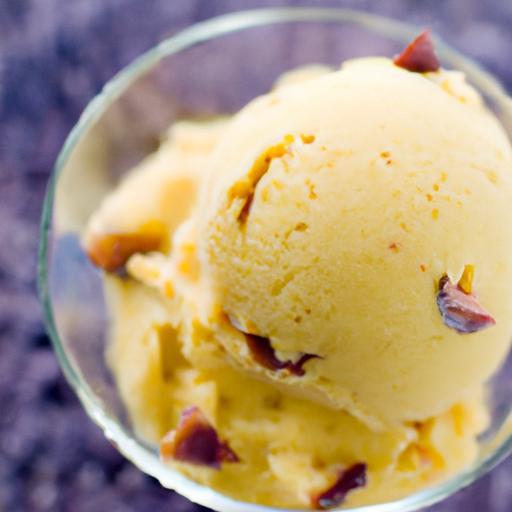
- 2 cups fresh fruit puree (such as mango, raspberry, or lemon)
- 1 cup water
- 3/4 cup granulated sugar
- 1 tablespoon mild corn syrup or honey (optional, for creaminess)
- 1 tablespoon freshly squeezed lemon juice (balances acidity)
- Pinch of fine sea salt
- 1 tablespoon vodka or fruit liqueur (optional, for texture)
Instructions
- Make the sugar syrup: In a small saucepan, combine water and sugar. Heat gently, stirring constantly until the sugar melts completely, about 3-5 minutes. Remove from heat and let cool to room temperature.
- Prepare the fruit puree: Blend your chosen fresh or thawed fruit until very smooth. Strain through a fine mesh sieve to remove any seeds or fibrous bits for the silkiest texture.
- Mix ingredients: In a bowl, whisk the cooled sugar syrup with fruit puree, corn syrup or honey (if using), lemon juice, salt, and vodka or liqueur, until fully combined.
- Chill thoroughly: Cover and refrigerate the mixture for at least 2 hours, preferably overnight. This deep chill ensures better freezing and texture.
- Churn: Pour the mixture into your ice cream maker and churn according to manufacturer instructions until sorbet thickens and almost doubles in volume, about 25-40 minutes.
- Freeze to firm up: Transfer to an airtight container and freeze for 1-2 hours before serving to develop a perfect scoopable consistency.
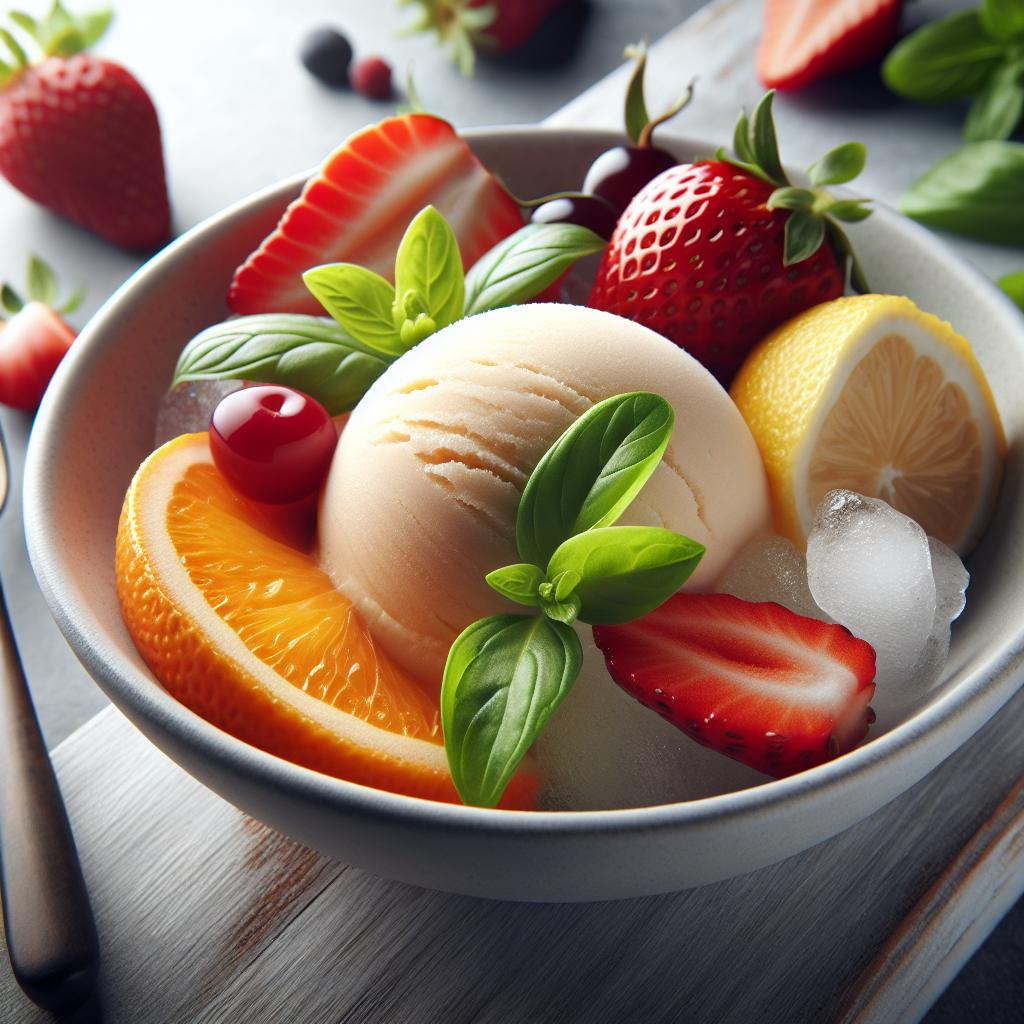
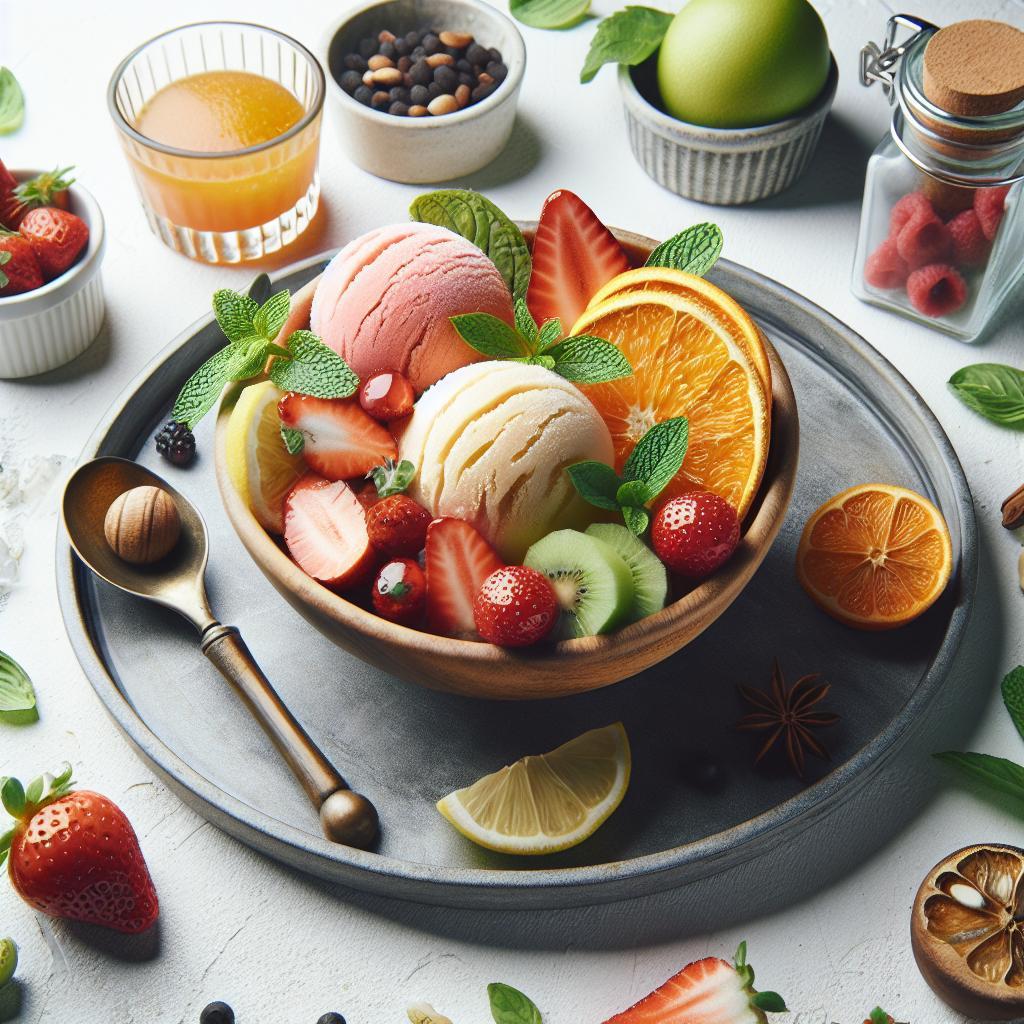
- Serve & enjoy: Scoop sorbet into chilled bowls or cones, garnish with fresh mint leaves, edible flowers, or thin fruit slices for vibrant presentation.
Chef’s Notes & Tips for Success
- To enhance vivid color and flavor, use the freshest, ripest fruits available.
- If your sorbet tastes too sweet, balance with additional lemon juice or a pinch of salt.
- For advanced smoothing, add a small amount of glycerin or invert sugar-these ingredients inhibit ice crystallization sustainably.
- Manual freezing works but requires attention; stir vigorously every 30 minutes until mostly frozen.
- Leftover sorbet can be revived by letting it soften slightly in the fridge before re-serving.
- Try infusing herbs like basil or mint into the syrup by steeping briefly, then straining before mixing.
Serving Suggestions
Present your sorbet in chilled glass dishes to enhance the refreshing sensation. Pair it alongside a crisp, light dessert wine or sparkling water infused with citrus zest. Garnish with bright edible flowers, fresh berries, or a delicate mint sprig for a luxurious visual touch. For a bold contrast, serve over a drizzle of rich dark chocolate or alongside buttery shortbread cookies to create unforgettable flavor harmonies.
| Nutrient | Per Serving |
|---|---|
| Calories | 120 kcal |
| Protein | 0.5 g |
| Carbohydrates | 30 g |
| Fat | 0.1 g |
Explore more frozen dessert techniques and for in-depth sugar science, visit the ScienceDaily article on sugar’s role in texture.

Q&A
Q&A: Mastering Smooth Sorbet – Secrets to Silky, Refreshing Treats
Q1: What makes sorbet different from ice cream, and why is texture so important?
A1: Sorbet is a frozen delight made from fruit purée, sugar, and water-no cream or eggs involved. This simplicity means the texture relies heavily on how smoothly the sorbet freezes. A silky texture ensures every spoonful is light, refreshing, and melts effortlessly on the tongue, creating a perfect balance between chill and flavor.
Q2: What are the main challenges in achieving a smooth sorbet texture?
A2: The primary challenge lies in controlling the size of the ice crystals. Large crystals create a gritty, icy sensation that undermines the sorbet’s silkiness. Preventing crystallization and encouraging tiny, uniform ice crystals during the freezing process is the golden rule of smooth sorbet mastery.
Q3: How does sugar contribute to the smoothness of sorbet?
A3: Sugar is not just a sweetener-it’s a master controller of ice crystallization. By lowering the freezing point of the sorbet mixture, sugar ensures the formation of softer, smaller ice crystals. The right sugar concentration acts like a magical stabilizer, keeping your sorbet delightful and creamy instead of icy and coarse.
Q4: Can adding alcohol enhance the texture of sorbet?
A4: Absolutely! Alcohol doesn’t freeze solid, so even a splash can make a big difference by interrupting the ice formation process. This keeps the sorbet luxuriously soft and scoopable. Just remember to use it sparingly, as too much alcohol prevents the sorbet from freezing properly.
Q5: What role does agitation (or churning) play in making smooth sorbet?
A5: Churning is sorbet’s secret dance-constant motion breaks up forming ice crystals and incorporates air, giving your sorbet a fluffy, velvety consistency. Whether you use an ice cream maker or manual stirring, agitation is essential to achieve that pristine smoothness.
Q6: How important is the choice of fruit and preparation method for smooth sorbet?
A6: Fruit choice matters immensely! Fruits with higher water content can freeze icy, so balancing intensity and water ratio is crucial. Pureeing thoroughly and straining out pulp and seeds not only improves texture but also ensures the flavor shines through with velvety clarity.
Q7: Are there any tricks for serving sorbet to maximize its refreshing qualities?
A7: Serve sorbet slightly softened-think 5 to 10 minutes out of the freezer-to let those smooth crystals gently dissolve on your palate. Pair it with a crisp glass of sparkling water or fresh mint for that unbeatable, refreshing sensation that sorbet lovers crave.
Q8: What’s a common mistake beginners make when making sorbet at home?
A8: A classic error is skipping the patience part-rushing the freezing or insufficient churning leads to icy, harsh textures. Also, neglecting to chill the mixture before freezing makes a big difference. Remember, great sorbet is all about time, care, and a little sorcery with science!
Mastering smooth sorbet is a rewarding journey-one where understanding the delicate dance of ingredients, temperature, and technique unlocks the door to endlessly refreshing, silky treats. Embrace these secrets and let your sorbet shine like never before!
Future Outlook
As you embark on your journey to perfecting the art of smooth sorbet, remember that patience and precision are your closest allies. Each swirl, each churn, and each carefully balanced ingredient brings you one step closer to that velvety, refreshing delight that dances on the palate. With the secrets shared here, your sorbets will no longer be just frozen desserts-they’ll become silky sensations that capture the essence of summer in every bite. So, gather your fruits, harness the power of technique, and let your creativity run wild-because mastering smooth sorbet is not just about following a recipe, it’s about crafting moments of pure, icy bliss. Happy sorbet making!