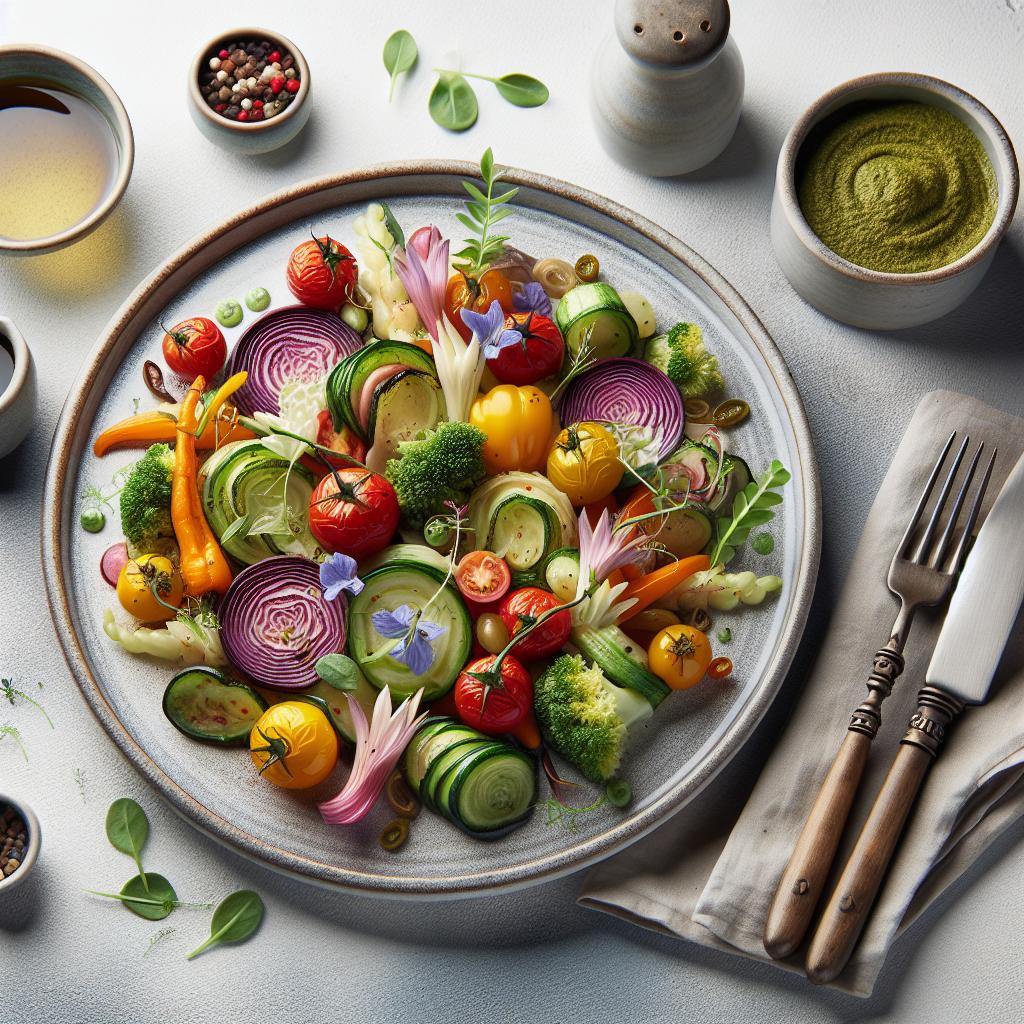

In a world where convenience often takes precedence over taste, heirloom vegetables invite us to slow down, savor the seasons, and reconnect with the rich tapestry of flavors cultivated through generations. These vibrant, time-honored varieties carry stories in their seeds-stories of heritage, resilience, and remarkable taste profiles that differ from the ordinary produce lining grocery store aisles. “Harvesting Flavor: A Guide to Cooking with Heirloom Veggies” unfolds the art of transforming these colorful gems into culinary treasures, celebrating their unique textures, colors, and aromas. Whether you’re a seasoned gardener or a curious cook, this guide will inspire you to embrace the charm of heirlooms, turning every dish into a vibrant celebration of history and harvest.
Harvesting Flavor: A Guide to Cooking with Heirloom Veggies invites you to explore the vibrant spectrum of taste and texture found only in heirloom vegetables. These heritage gems carry stories from generations past, each variety offering a unique blend of sweetness, earthiness, and sometimes a tart surprise that modern hybrids simply can’t replicate. Selecting the perfect heirloom veggies is like uncovering nature’s treasure chest-each color, shape, and flavor is a masterpiece waiting to elevate your culinary creations.
Prep and Cook Time
Preparation: 15 minutes | Cooking: 20 minutes | Total: 35 minutes
Yield
Serves 4 as a vibrant side dish or light main
Difficulty Level
Medium – Perfect for adventurous home cooks eager to showcase heirloom produce
Ingredients
- 1 cup heirloom cherry tomatoes (mixed colors, halved)
- 1 medium heirloom carrot (thinly sliced on a bias)
- 1 small heirloom cucumber (seeded and diced)
- 1 cup roasted heirloom beets (cubed)
- 2 tbsp extra virgin olive oil, cold-pressed
- 1 tbsp fresh lemon juice
- 1 tsp raw honey or maple syrup
- 2 tbsp chopped fresh basil
- 1 tbsp toasted pine nuts
- Salt and freshly ground black pepper, to taste
- Optional: 1 oz crumbled chèvre or feta cheese
Instructions
- Prepare the vegetables: Gently rinse all heirloom veggies under cool water. Pat dry with a clean kitchen towel to avoid excess moisture that might dilute flavors.
- Roast the beets: Wrap cleaned beets in foil and roast at 400°F (205°C) for 25-30 minutes until tender. Once cooled, peel off skins and cut into cubes.
- Combine fresh produce: In a large bowl, toss the halved cherry tomatoes, sliced carrots, diced cucumber, and roasted beets together with care to avoid bruising the delicate heirloom tomatoes.
- Prepare the dressing: In a small bowl, whisk together olive oil, lemon juice, honey, salt, and pepper until emulsified. This simple dressing highlights the natural sweetness and earthy notes of the vegetables.
- Toss and marinate: Pour the dressing over the mixed veggies and fold gently. Let the salad marinate for at least 10 minutes to allow flavors to meld beautifully.
- Finish with fresh touches: Just before serving, sprinkle chopped basil and toasted pine nuts over the top. Add crumbled chèvre or feta cheese if desired, for a creamy contrast that complements the crisp textures.
Tips for Success
- Selection Sidelines: Choose heirloom veggies that are firm, vibrant, and free of blemishes. Their irregular shapes are part of their charm, not a flaw.
- Highlight Natural Flavors: Use light dressings that emphasize the fresh, raw character of the produce.
- Texture Balance: Roasting beets softens their earthiness, while fresh carrots and cucumbers maintain crunch, adding a delightful contrast.
- Make-Ahead: Marinate the salad for 30 minutes before serving to deepen flavors, but dress just prior to serving to keep tomatoes firm.
- Substitutions: Swap pine nuts for toasted walnuts or pecans if preferred.
Serving Suggestions
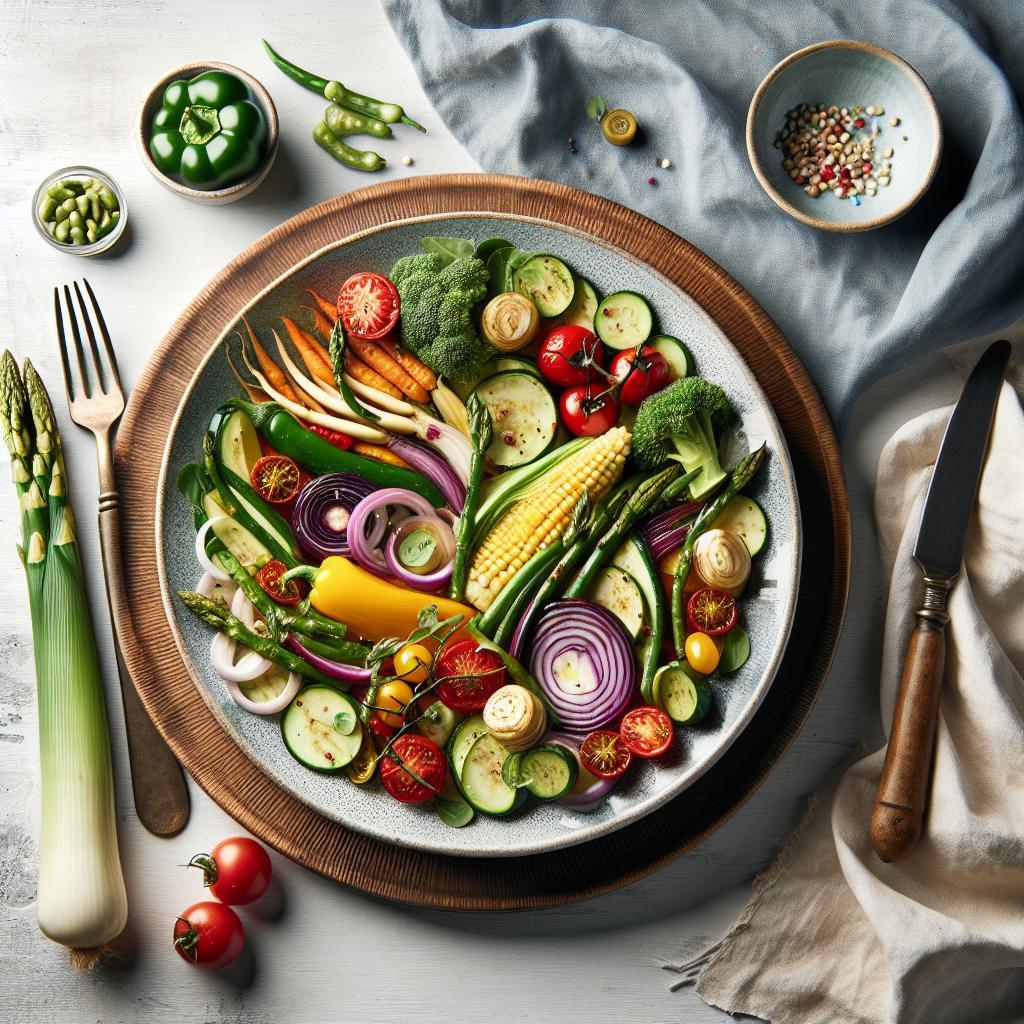
Serve this jewel-toned salad on a rustic wooden board or in a white ceramic bowl to make the colors pop. Garnish with extra fresh basil leaves for a verdant finish. Pair alongside artisanal sourdough bread and a crisp, chilled white wine for a simple yet eye-catching meal perfect for spring and summer gatherings.

| Nutrient | Per Serving |
|---|---|
| Calories | 140 |
| Protein | 3g |
| Carbohydrates | 15g |
| Fat | 8g |
For more inspiration on embracing seasonal produce, check out our seasonal vegetable recipes. To deepen your knowledge on the benefits and heritage of heirloom varieties, visit Farm to School Network, a trusted resource connecting growers and cooks.
Q&A
Q&A: Harvesting Flavor – A Guide to Cooking with Heirloom Veggies
Q1: What exactly are heirloom vegetables, and why are they special?
A1: Heirloom vegetables are the flavorful, storied garden gems passed down through generations-think of them as the vintage wines of the veggie world. Unlike mass-produced hybrids, heirlooms retain unique tastes, colors, and textures shaped by careful cultivation, history, and tradition. Cooking with them brings a vibrant, old-world character to your plate that modern varieties often lack.
Q2: How does cooking with heirlooms differ from using regular supermarket veggies?
A2: Heirlooms tend to have more complex flavors and unexpected appearances-imagine a radish striped like a candy cane or a tomato bursting with a smoky-sweet tang. These traits invite more playful and mindful cooking, encouraging you to highlight their individuality rather than mask it with heavy sauces or seasonings.
Q3: Can you share some tips for selecting heirloom vegetables at the market or farmer’s stand?
A3: Absolutely! Look for vibrant colors and firm textures-these signal freshness and full flavor. Avoid bruised or overly soft specimens. Don’t hesitate to chat with farmers about their varieties and growth stories-you’ll gain insights that make your cooking even richer.
Q4: What’s a simple way to unlock the flavors of heirloom veggies in everyday cooking?
A4: Sometimes, less is more. A light roast with olive oil and sea salt can bring out the earthy sweetness in a handful of heirloom carrots or beets. Or try a quick sauté with garlic and fresh herbs to spotlight the subtle nuances of a delicate squash or pepper.
Q5: Are heirloom vegetables versatile across cuisines?
A5: Oh yes! Their inherent character can elevate everything from rustic Italian pastas to spicy Southeast Asian curries. Because heirlooms come in so many varieties, they’re a chef’s dream ingredient to experiment with-each bite telling a unique story.
Q6: How should heirlooms be stored to maintain their flavor and texture?
A6: Treat them gently-many heirloom veggies have thinner skins and delicate flesh. Store in a cool, humid spot (often your fridge’s crisper drawer), and aim to use them quickly. The fresher they are, the more dazzling their flavors.
Q7: Any creative ideas for incorporating heirloom veggies beyond the main course?
A7: Definitely! Pickled heirloom cucumbers or radishes add a zing to sandwiches and salads. Heirloom tomatoes can transform salsas or brighten up breakfast with a fresh bruschetta. Even pureeing roasted heirlooms can make stunning bases for soups or sauces.
Q8: Where can curious cooks find heirloom seeds or plants if they want to grow their own?
A8: Seed catalogs specializing in heritage varieties are treasure troves, and many local nurseries carry heirloom seedlings in season. Growing your own is one of the most rewarding ways to connect with the slow, flavorful rhythms of these storied vegetables.
Q9: Any final words of wisdom for cooking with heirlooms?
A9: Embrace their quirks and imperfections-they’re all part of the charm. Heirlooms aren’t just ingredients; they’re edible history. Cooking with them is an invitation to savor the past and celebrate a more flavorful, sustainable future. Happy harvesting!
To Conclude
As you embark on your culinary journey with heirloom vegetables, remember that each vibrant hue and unique shape carries a story-cultivated through generations of care and tradition. By embracing these flavors from the past, you not only enrich your dishes but also nurture a living legacy, one bite at a time. So gather your harvest, let your creativity flourish, and savor the timeless taste of history on your plate. Happy cooking!