
There’s something truly magical about the way a perfectly baked fish fillet transforms simple ingredients into a golden masterpiece. Crisply tender on the outside, melt-in-your-mouth flaky on the inside, masterfully prepared baked fish offers a symphony of textures and flavors that dance on the palate. Whether you’re a novice home cook or a seasoned culinary artist, mastering the art of baked fish fillets opens the door to endless possibilities for healthy, elegant meals that impress without stress. In this article, we’ll dive beneath the surface to explore the secrets of achieving that coveted golden perfection-revealing techniques, tips, and flavor pairings that turn humble fish fillets into works of edible art.
- Prep and Cook Time
- Yield
- Difficulty Level
- Selecting the Ideal Fish Fillets for Flawless Baking
- Crafting the Perfect Marinade to Enhance Flavor and Texture
- Essential Techniques for Achieving a Crispy Golden Crust
- Mastering Oven Settings and Timing for Juicy, Tender Results
- Ingredients
- Instructions
- Tips for Success
- Serving Suggestions
- Q&A
- The Conclusion
Golden Perfection: Mastering the Art of Baked Fish Fillets
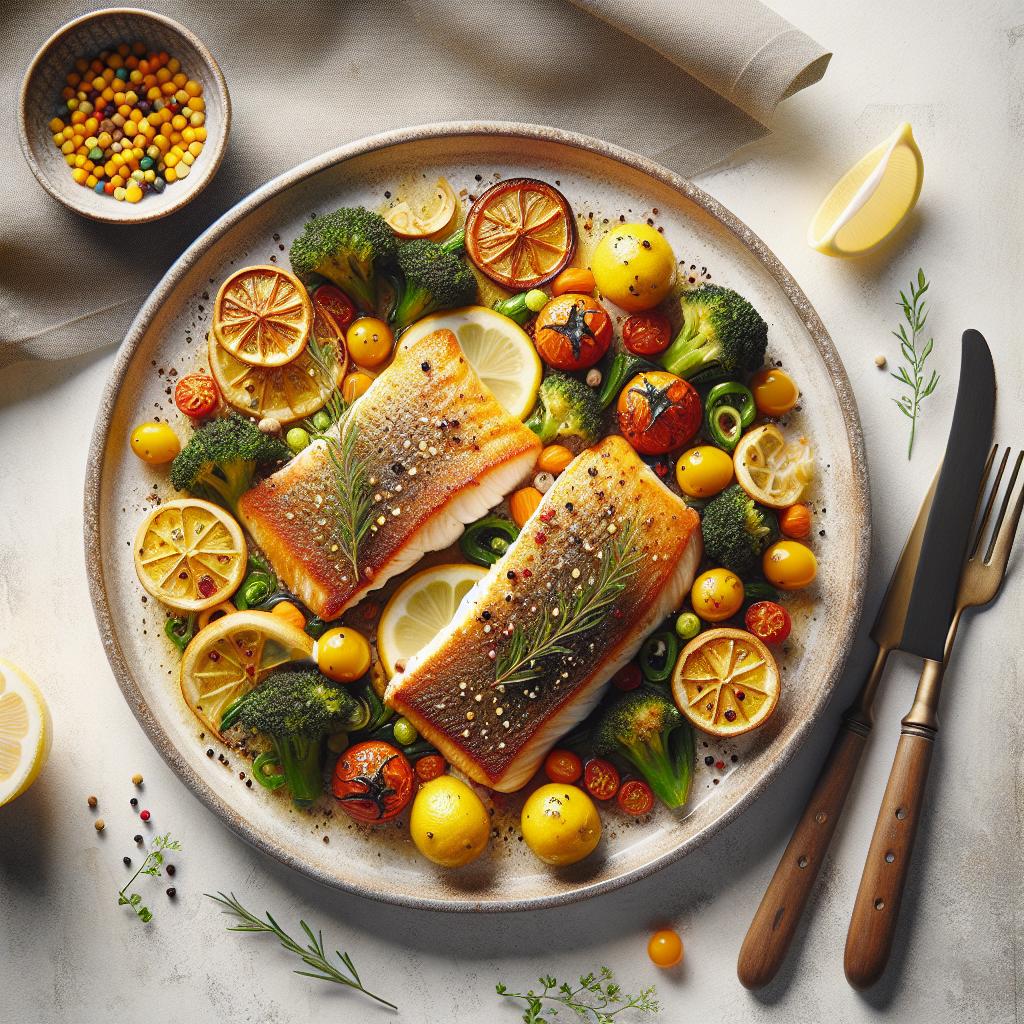
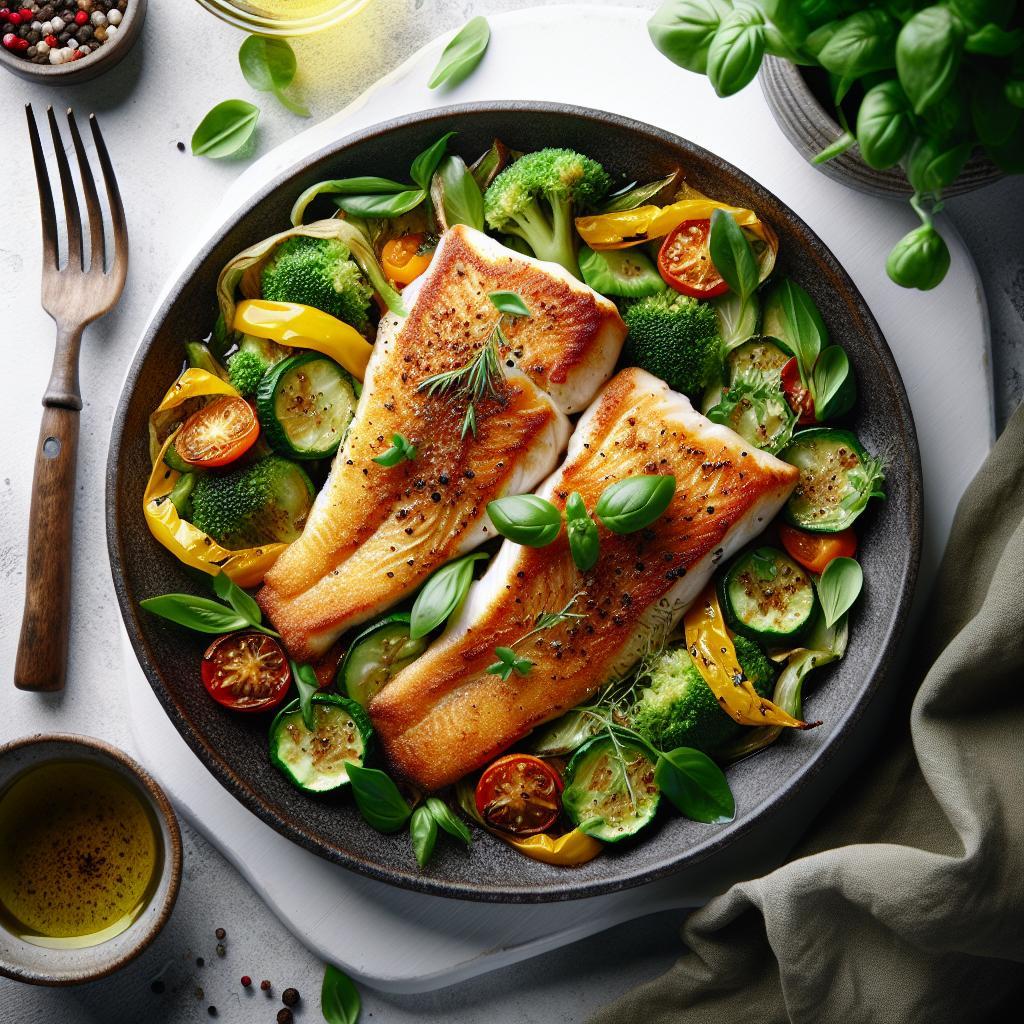
Golden perfection: mastering the art of baked fish fillets begins with choosing the right fillets and elevating their natural flavor through an expertly crafted marinade. This universally loved dish carries subtle traditions from coastal kitchens worldwide, blending simplicity with a tantalizing balance of textures. Whether you’re seeking a quick weeknight dinner or aiming to impress guests, the key lies in transforming ordinary fish into a stunning golden masterpiece with crisp edges and tender interiors.
Prep and Cook Time
- Preparation: 15 minutes
- Marinating: 30 minutes (optional but recommended)
- Cooking: 20 minutes
- Total Time: 1 hour 5 minutes
Yield
Serves 4 elegantly portioned fish fillets
Difficulty Level
Medium – beginner cooks will appreciate the straightforward steps, while intermediate chefs can experiment with marinades and oven settings for golden perfection.
Selecting the Ideal Fish Fillets for Flawless Baking
Start with fresh, firm fillets such as cod, haddock, halibut, or snapper. These varieties maintain texture under heat, allowing you to achieve that coveted flaky tenderness. Look for fillets with a consistent thickness to ensure even cooking-avoid thin edges that dry out quickly. A mild, clean aroma indicates freshness, while pearly white flesh without visible discoloration signals premium quality. For best results, purchase skin-on fillets to add moisture retention during baking, which also crisps beautifully, while skinless options work well with your marinade absorbing directly.
Crafting the Perfect Marinade to Enhance Flavor and Texture
The foundation of golden perfection is the marinade-balancing acidity, herbs, and fat to tenderize and infuse vibrant notes. Combine fresh lemon juice for brightness, olive oil for moisture, and aromatics like garlic, paprika, thyme, and freshly ground black pepper. This mix gently breaks down fish fibers while enhancing its natural sweetness. For a touch of warmth, add a pinch of smoked paprika or cayenne. Remember, a brief 30-minute soak is enough to impart flavor without overwhelming delicate flesh. Avoid heavy sauces that mask the fish’s nuances; simplicity is your ally.
Essential Techniques for Achieving a Crispy Golden Crust
To accomplish the hallmark golden crust, pat the fillets dry before applying the marinade to ensure better adhesion of seasonings. Dust the fillets lightly with fine cornmeal or panko breadcrumbs right before baking. This creates a delicate barrier that crisps to a golden hue while locking in juices. Utilizing a preheated baking sheet or a cast-iron skillet elevates the crust development by ensuring immediate heat contact. Additionally, baking uncovered promotes evaporation, concentrating crispness.
Mastering Oven Settings and Timing for Juicy, Tender Results
Set your oven to 400°F (205°C) for a sweet spot between crisping and gentle cooking. Place the fillets on a lightly oiled, rimmed baking tray spaced evenly apart to allow heat circulation. Baking 15-20 minutes depending on thickness yields tender, flaky interiors that release moist flakes under a fork. Use a meat thermometer to verify an internal temperature of 135°F (57°C). For an extra layer of caramelized crust, you can broil the final 2 minutes-just watch closely to avoid overcooking. Let the fillets rest briefly before serving to redistribute juices.
Ingredients
- 4 fish fillets (6 ounces each), skin-on or skinless (cod, haddock, halibut, or snapper)
- 2 tablespoons fresh lemon juice
- 3 tablespoons extra virgin olive oil
- 3 cloves garlic, minced
- 1 teaspoon smoked paprika
- 1 teaspoon dried thyme or 1 tablespoon fresh thyme leaves
- 1/2 teaspoon freshly ground black pepper
- 1/2 teaspoon sea salt
- 2 tablespoons fine cornmeal or panko breadcrumbs
- Optional: pinch of cayenne pepper for heat
Instructions
- Prepare the fillets: Rinse under cold water, then gently pat dry with paper towels. Removing excess moisture helps the marinade absorb and promotes crisping.
- Mix the marinade: In a bowl, whisk together lemon juice, olive oil, minced garlic, smoked paprika, thyme, black pepper, salt, and optional cayenne pepper until smoothly combined.
- Marinate: Place fillets in a shallow dish or zip-lock bag. Pour marinade over, ensuring all pieces are coated evenly. Cover and refrigerate for 30 minutes to infuse flavors deeply.
- Preheat the oven: Set to 400°F (205°C) and allow it to fully heat. Place a rimmed baking sheet inside while preheating to create a hot surface that encourages crispness.
- Coat the fillets: Remove from marinade and gently shake off excess liquid. Lightly dredge each fillet in cornmeal or panko, coating each side evenly for a golden crust effect.
- Bake: Place fillets skin-side down (if applicable) on the hot baking sheet. Bake uncovered for 15-20 minutes, or until the internal temperature reaches 135°F (57°C) and the crust turns golden. Cooking time depends on thickness; thinner fillets require less time.
- Optional broil finish: For an extra crispy top, switch oven to broil and broil for 1-2 minutes. Keep a close eye to avoid burning.
- Rest and serve: Remove from oven and let rest for 3-5 minutes to allow juices to redistribute before plating.
Tips for Success
- Variation: Swap the thyme for fresh dill or basil for a different herbaceous note.
- Substitution: Use gluten-free breadcrumbs or almond meal to accommodate dietary restrictions.
- Make-ahead: Fillets can be marinated up to 2 hours in advance and refrigerated, but avoid longer to prevent texture breakdown.
- Common issue: If crust isn’t crispy enough, pat fish drier before coating and ensure oven is fully preheated with a hot baking surface.
- For extra moisture: Add a small pat of herb-infused butter atop each fillet when baking.
Serving Suggestions
Serve these golden baked fillets on a bed of lightly sautéed spinach or alongside a crunchy fennel and cucumber salad. Garnish with fresh lemon wedges and sprigs of thyme or dill for visual appeal and added zest. A drizzle of homemade tartar sauce complements texture beautifully. Pair with roasted baby potatoes or a fluffy wild rice pilaf for a wholesome, colorful plate that excites the palate.
| Nutrient | Per Serving (1 fillet) |
|---|---|
| Calories | 220 |
| Protein | 28g |
| Carbohydrates | 3g |
| Fat | 9g |

Discover more seafood inspiration in our FDA Seafood Safety Guide for tips on handling and selecting premium fish varieties at the market.
Q&A
Q&A: Golden Perfection – Mastering the Art of Baked Fish Fillets
Q1: What makes baked fish fillets a standout dish in home cooking?
A1: Baked fish fillets are a perfect harmony of simplicity and elegance. They offer a healthy, quick-cooking option that allows the delicate flavors of fresh fish to shine while inviting endless creativity through herbs, spices, and citrus. The result is a golden, flaky masterpiece that elevates any meal with minimal fuss.
Q2: Which types of fish are best suited for baking as fillets?
A2: Firm, white-fleshed fish such as cod, haddock, halibut, and sea bass take the heat of baking beautifully. Salmon and trout, while richer and oilier, also bake exceptionally well and lend themselves to bolder seasonings. The key is selecting fresh, firm fillets that will hold their shape and texture through the baking process.
Q3: How can one achieve that coveted golden crust without drying out the fish?
A3: The magic lies in balance. Pat the fillets dry to remove excess moisture, then coat lightly with olive oil or melted butter to promote browning. Use a moderately high oven temperature-around 400°F (200°C)-to cook quickly and seal in juices. Adding a thin layer of breadcrumbs or panko mixed with herbs can create a crisp topping, while a gentle baste halfway through baking preserves moistness.
Q4: What are some essential seasoning ideas to elevate baked fish fillets?
A4: Lemon zest and juice bring brightness; garlic and fresh herbs like dill, parsley, or thyme add fragrant depth. Spice lovers can experiment with smoked paprika, cumin, or a dash of chili flakes. A simple brush of Dijon mustard or a sprinkle of Parmesan cheese can add complexity and encourage that golden finish.
Q5: Are there any foolproof tips to avoid common baking pitfalls with fish?
A5: Absolutely! Avoid overcrowding the baking dish to ensure even heat circulation. Don’t overbake-a general rule is about 10 minutes per inch of thickness. Rest the fillets briefly after baking to let the juices redistribute. Finally, use a thin, flexible spatula to lift the fillets gently, preserving their perfect shape.
Q6: Can baked fish fillets be paired with specific sides or sauces to complete the dish?
A6: Certainly! Light, vibrant sides like herbed couscous, roasted vegetables, or a crisp green salad complement the mild fish flavors beautifully. Sauces such as tangy tartar, lemon beurre blanc, or a fresh salsa verde can add moisture and zest, turning the fillets into a restaurant-worthy feast.
Q7: How does baking fish fillets compare nutritionally to other cooking methods?
A7: Baking is one of the healthiest methods since it requires little to no added fat, preserving the fish’s natural omega-3 fatty acids and protein integrity. Unlike frying, it avoids excess calories and unhealthy oils, making baked fish fillets a nutritious, heart-friendly option that nourishes without guilt.
Mastering baked fish fillets invites you to embrace a world where golden crusts meet tender flakes-each bite a celebration of nature’s bounty and culinary craftsmanship. With these insights, your journey toward golden perfection has just begun.
The Conclusion
As the final flakes of your golden-baked fish melt effortlessly on the tongue, you realize that mastering the art of baked fish fillets is more than a recipe-it’s a journey into the heart of culinary finesse. With each perfectly crisped edge and tender, moist interior, you’ve unlocked the secret to transforming simple ingredients into a dish of elegance and comfort. Whether you’re a seasoned cook or a curious beginner, embracing these techniques invites both creativity and confidence to your kitchen. So next time you crave a meal that’s as nourishing as it is delightful, remember: golden perfection is just a bake away.