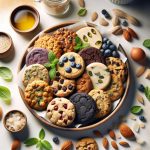
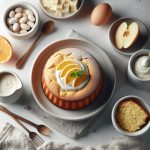
In the vibrant world of baking, where flour-dusted countertops meet the warm embrace of a freshly baked treat, there lies a unique intersection of dietary needs that challenges even the most experienced chefs: gluten-free vegan baking. This culinary realm demands more than just swapping ingredients; it calls for a delicate balance of science, creativity, and intuition. Navigating the absence of both gluten and animal products transforms simple recipes into intricate puzzles, where texture, flavor, and structure must be reimagined from the ground up. Join us as we explore the art and science behind gluten-free vegan baking, uncovering the secrets to crafting delicious, wholesome delights that satisfy diverse diets without compromise.
Gluten-Free Vegan Baking challenges home bakers to rethink traditional methods and ingredients to create moist, flavorful treats that cater to both dietary needs and indulgent cravings. Drawing from years of experimenting in my kitchen, I’ve uncovered how the perfect balance of texture and flavor emerges by mastering unique ingredient roles-especially when conventional binders like gluten and eggs are off the table. This guide will open up a world where vibrant chickpea flours, tender tapioca starch, and creamy aquafaba transform humble mixes into bakery-worthy marvels.
Prep and Cook Time
Preparation: 20 minutes | Cooking: 35-40 minutes | Total: 60 minutes
Yield
8 hearty servings
Difficulty Level
Medium – Perfect for confident bakers ready to refine their gluten-free vegan techniques
Ingredients
- 1 1/2 cups gluten-free oat flour, finely ground and sifted
- 1/2 cup chickpea flour (for structure and a subtle, nutty depth)
- 1/4 cup tapioca starch (to enhance chewiness and crisp crust)
- 1 tbsp baking powder, gluten-free
- 1/2 tsp baking soda
- 1/2 tsp sea salt
- 1/2 cup coconut sugar or brown sugar for gentle sweetness
- 1 cup unsweetened almond milk or preferred plant milk, room temperature
- 1/4 cup aquafaba (the secret vegan egg replacer, whipped until frothy)
- 1/3 cup refined coconut oil, melted
- 1 tbsp apple cider vinegar (activates lift and tender crumb)
- 1 tsp vanilla extract
- Optional: 1/2 cup fresh blueberries, chopped dark chocolate, or toasted nuts for bursts of flavor and texture
Instructions
- Preheat your oven to 350°F (175°C). Line your preferred baking tin with parchment paper or lightly grease with coconut oil to prevent sticking.
- Combine dry ingredients: In a large bowl, sift together oat flour, chickpea flour, tapioca starch, baking powder, baking soda, salt, and coconut sugar. Whisk to distribute evenly.
- Prepare wet mixture: In a separate bowl, mix almond milk, whipped aquafaba, melted coconut oil, apple cider vinegar, and vanilla extract until smooth and well blended.
- Blend wet into dry: Pour the wet ingredients into the dry and fold gently with a spatula. Mix just until the batter is smooth and no pockets of flour remain-avoid overmixing to keep the crumb tender.
- Add optional mix-ins: Fold in blueberries or chocolate chunks for an extra layer of indulgence without disrupting the batter’s consistency.
- Transfer and smooth: Spoon the batter into your prepped tin, using a spatula to create an even surface.
- Bake: Place in the oven for 35-40 minutes. Test doneness with a toothpick inserted in the center; it should come out clean or with a few moist crumbs attached.
- Cool completely: Remove from oven and cool in the tin for 10 minutes before transferring to a wire rack. This rest allows the crumb to set and prevents crumbling on slicing.
Tips for Success
- Use freshly whipped aquafaba: This acts as a binder, mimicking egg whites and adding airy lift. Stiff peaks yield the best texture in your bake.
- Moisture balance is key: Depending on your flour brands and ambient humidity, you may need to adjust almond milk by a tablespoon or two to attain batter that isn’t too thick or too runny.
- Don’t skip the vinegar: It reacts with baking soda to encourage rise and tenderizes crumb, crucial for gluten-free vegan breads and cakes.
- Rest your batter: Let the mixed batter sit 5-10 minutes before baking to hydrate flours fully, helping with moisture retention and crumb structure.
- Make-ahead advantage: Bake your loaf a day before serving; flavors deepen overnight, and moisture distributes evenly, enhancing freshness.
Serving Suggestions
Present slices warm or at room temperature, topped with a dollop of coconut yogurt and a sprinkle of toasted hemp seeds for contrast. Pair with a drizzle of pure maple syrup or a berry compote for vibrancy and natural sweetness. For a festive touch, garnish with edible flowers or finely chopped pistachios, making the plate as inviting as the aroma.

Nutritional Information
| Per Serving | Calories | Protein (g) | Carbs (g) | Fat (g) |
|---|---|---|---|---|
| Gluten-Free Vegan Bake | 210 | 6 | 30 | 7 |
For further mastery of gluten-free vegan baking, check out our detailed Gluten-Free Vegan Cakes guide. To understand the scientific insights behind aquafaba and its magic in vegan baking, explore research at ScienceDirect.
Q&A
Q&A: Gluten-Free Vegan Baking – Navigating Unique Challenges
Q1: Why is gluten-free vegan baking considered more challenging than traditional baking?
A1: Traditional baking often relies on gluten’s elasticity and eggs’ binding properties to create structure, moisture, and lift. When you remove gluten and animal products simultaneously, you lose both those essentials. Without gluten, doughs and batters can be crumbly or dense. Without eggs or dairy, achieving moisture, tenderness, and rise requires creative substitutions and techniques. It’s a delicate dance of balancing ingredients that don’t naturally mimic these functions.
Q2: What are some effective gluten-free flour alternatives that work well in vegan baking?
A2: Popular options include almond flour, coconut flour, oat flour (make sure it’s gluten-free certified), and rice flour. Each offers unique textures and flavors. Almond flour lends moisture and a tender crumb, coconut flour is highly absorbent so it needs extra liquid, while oat and rice flours provide a neutral base. Blending multiple flours often yields the best results, mimicking the structure of wheat flour more closely.
Q3: How do you replace eggs in gluten-free vegan recipes?
A3: Eggs provide binding, moisture, and leavening, so replacements depend on the function needed. Flaxseed or chia “eggs” (1 tbsp ground seed + 3 tbsp water) mimic binding. Applesauce or mashed bananas add moisture and some sweetness. Aquafaba, the viscous water from canned chickpeas, whips up like egg whites and adds lift. Sometimes a combination of these substitutes, along with baking powder or soda, achieves the desired texture.
Q4: What role do gums like xanthan gum or psyllium husk play in gluten-free vegan baking?
A4: Without gluten, doughs lack elasticity and structure. Xanthan gum and psyllium husk powder act as binders and stabilizers, creating a stretchy network that holds moisture and traps air bubbles. This results in better crumb, chewiness, and volume – essential qualities in breads and tender cakes. However, they must be used sparingly as too much can create a gummy or dense texture.
Q5: How do moisture and fat requirements change in gluten-free vegan recipes?
A5: Gluten-free flours often absorb more liquid, so recipes typically need increased moisture through plant milks, oils, or fruit purees. Vegan fats such as coconut oil, avocado oil, or nut butters boost richness and mouthfeel without relying on butter or dairy. Balancing moisture is key – too little creates dryness, too much causes heaviness or gumminess.
Q6: Are there particular techniques that help gluten-free vegan baked goods rise better?
A6: Yes! Using chemical leaveners like baking powder and baking soda is crucial, often paired with acidic ingredients (lemon juice, vinegar) to activate rising. Whipping aquafaba or aquafaba-based meringues into batters adds airiness. Resting batter for 15-30 minutes allows flours to hydrate fully, improving texture. Also, baking at moderate temperatures helps gentle, even rising without collapse.
Q7: Any tips for preventing a gritty or crumbly texture?
A7: To avoid grittiness, opt for finely ground flours and consider sifting blends before use. Adding moisture-rich ingredients like fruit purees or plant yogurts improves tenderness. Using a blend of starches (tapioca, potato) alongside flours prevents dryness. And don’t overbake – gluten-free vegan goods can dry out quickly after their peak, so keep a close eye.
Q8: How can one develop flavor in gluten-free vegan baked goods, given the different flour profiles?
A8: Gluten-free flours can taste earthy or bland, so layering flavors is key. Incorporate spices (cinnamon, nutmeg), extracts (vanilla, almond), citrus zest, and natural sweeteners (maple syrup, molasses). Toasting nuts or flours lightly can deepen flavor. Additionally, blending milks with brewed teas or coffee infuses subtle complexity. Remember, flavor builds in stages!
Q9: Are gluten-free vegan baked goods suitable for all dietary needs?
A9: They’re perfect for those avoiding animal products and gluten, but it’s important to check individual intolerance-for example, nut flours are common and may pose allergen concerns. Also, commercially prepared gluten-free flours can sometimes be cross-contaminated, so certified gluten-free products are recommended for people with celiac disease.
Q10: What’s the most rewarding part of mastering gluten-free vegan baking?
A10: Creating delicious, wholesome treats that everyone can enjoy – regardless of dietary restrictions – is deeply satisfying. The process encourages creativity, problem-solving, and an appreciation for alternative ingredients. Plus, sharing the joy of a perfectly risen, moist, flavorful cake or loaf that’s both vegan and gluten-free feels like a true culinary triumph!
To Wrap It Up
Baking without gluten or animal products is more than just a dietary choice-it’s a delicious adventure into uncharted kitchen territory. While the path of gluten-free vegan baking is lined with unique challenges, it’s also filled with opportunities to experiment, innovate, and rediscover the transformative power of plant-based ingredients. With patience, creativity, and a willingness to learn from every batch, anyone can master this art and create treats that are not only kind to the body but also a joy to the palate. So, lace up your apron, embrace the unexpected, and let your gluten-free vegan baking journey be one of endless discovery and delightful surprises.