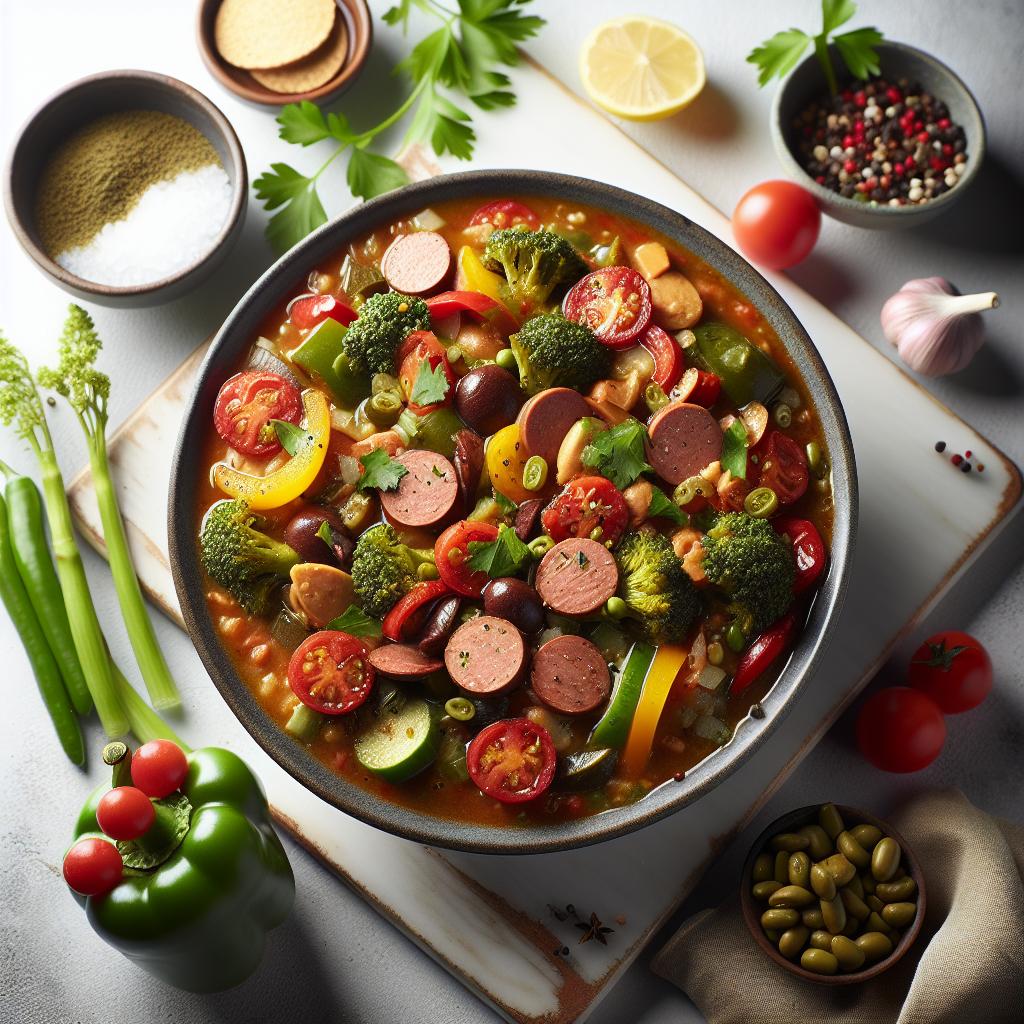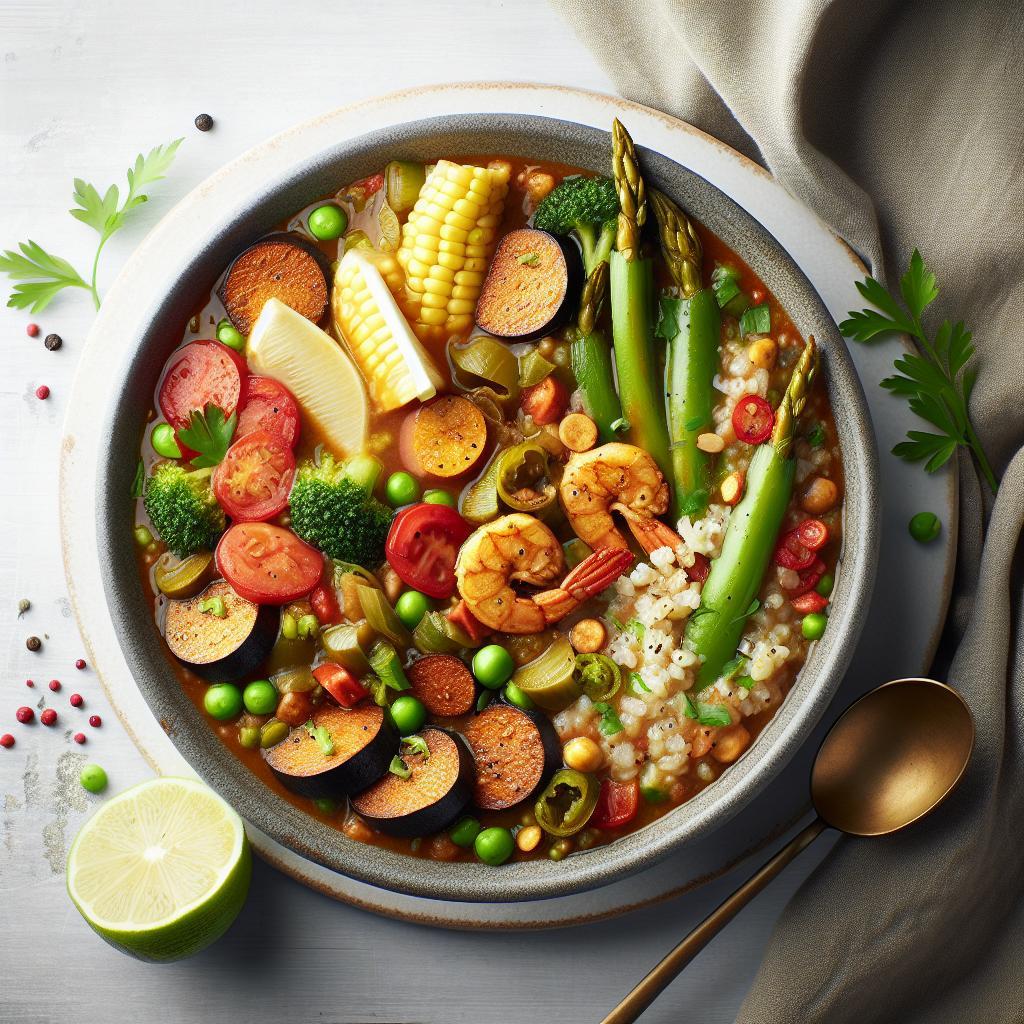

In the heart of Southern kitchens, gumbo reigns as a rich tapestry of history, spice, and soul. Traditionally known for its deeply savory blend of meats and seafood, the dish’s robust flavors have long told stories around family tables and festive gatherings. But what if you could capture that unmistakable essence without a single slice of meat? Enter the world of meatless gumbo-a vibrant, hearty celebration of vegetables, spices, and umami that honors the classic Southern delight while inviting new twists to the table. Join us as we explore the art of crafting flavorful meatless gumbo, where every spoonful carries the warmth of tradition with a fresh, plant-based flourish.
Crafting flavorful meatless gumbo is an art that combines tradition, patience, and a deep love for Southern cuisine. This iconic dish, known for its hearty texture and soulful spices, transforms beautifully into a vegetarian delight with a rich roux base and an array of seasonal vegetables that bring depth, color, and satisfying textures to the pot.
Prep and Cook Time
- Preparation: 20 minutes
- Cooking: 1 hour 15 minutes
- Total: 1 hour 35 minutes
Yield
Serves 6 generously
Difficulty Level
Medium – Requires attention to roux and simmering, but accessible for home cooks willing to savor the process.
Ingredients
- 1 cup all-purpose flour, sifted
- 1 cup vegetable oil (or canola oil for a lighter flavor)
- 1 large onion, finely chopped
- 1 medium green bell pepper, diced
- 3 celery stalks, diced
- 3 cloves garlic, minced
- 2 medium carrots, diced
- 1 zucchini, diced
- 8 oz mushrooms, sliced (cremini or shiitake for umami)
- 6 cups vegetable broth
- 1 (14 oz) can diced tomatoes, drained
- 1 cup okra, sliced (fresh or frozen)
- 2 tsp smoked paprika
- 1 tsp dried thyme
- 1 tsp dried oregano
- ½ tsp cayenne pepper (adjust to taste)
- 2 bay leaves
- Salt and black pepper, to taste
- 2 tbsp soy sauce or tamari
- 1 tbsp fresh parsley, chopped (for garnish)
- Cooked white rice, for serving
Instructions
- Prepare the Roux: In a large heavy-bottomed pot or Dutch oven, heat the vegetable oil over medium heat. Gradually sprinkle in the flour while whisking continuously to avoid lumps. Keep stirring steadily, allowing the roux to deepen in color to a rich, dark caramel-brown-this process should take about 15-20 minutes. Watch carefully to prevent burning; patience is key for that signature smoky flavor.
- Add the Aromatics: Once the roux reaches the desired color, reduce heat to medium-low. Add the chopped onion, celery, and bell pepper (the holy trinity of Southern cooking). Stir and sauté for 7-10 minutes until they soften and meld into the roux with a fragrant base.
- Incorporate Additional Vegetables: Stir in the carrots, zucchini, mushrooms, and garlic. Cook for another 5 minutes, allowing the mushrooms to release their earthy flavor and the garlic to become aromatic without burning.
- Spice it Up: Sprinkle the smoked paprika, thyme, oregano, cayenne pepper, salt, and black pepper over the vegetable mixture. Stir well so the spices evenly coat the vegetables and roux, stirring for about 2 minutes to bloom the spices’ flavors.
- Add Liquids & Tomatoes: Gradually pour in the vegetable broth, stirring constantly to loosen the roux and blend everything smoothly. Add the drained diced tomatoes, soy sauce, and bay leaves. Raise the heat to bring the gumbo to a gentle simmer.
- Simmer with Love: Reduce heat to low, cover partially, and let the gumbo simmer gently for 45 minutes, stirring occasionally to prevent sticking. This slow cooking helps all the flavors marry beautifully and the broth to thicken naturally.
- Add Okra: Stir in the okra during the last 10 minutes of simmering to retain its texture and mild thickening quality.
- Final Taste and Adjustments: Remove the bay leaves and taste for seasoning. Add more salt, pepper, or cayenne if desired.
- Serve in Style: Ladle the gumbo generously over steaming bowls of fluffy white rice. Garnish with fresh parsley for a vibrant finish.
Tips for Success
- Roux patience: Resist turning up the heat to speed up the roux; slow stirring creates the flavor and prevents burning.
- Vegetable swaps: Use seasonal veggies like winter squash or kale for your own twist while maintaining the gumbo’s hearty nature.
- Texture balance: Fresh okra adds natural viscosity – avoid overcooking it to maintain a pleasant bite.
- Make ahead: Gumbo tastes even better the next day as spices deepen; store refrigerated for up to 3 days or freeze in portions.
- Gluten-free option: Substitute all-purpose flour roux with gluten-free flour blends, adjusting cooking time for browning.
Serving Suggestions
For the ultimate experience, serve your meatless gumbo in rustic bowls with a side of crusty French bread or cornbread to soak up the luscious broth. A sprinkle of freshly sliced green onions or a dash of hot sauce adds a personal kick. Pair with a chilled glass of iced tea or a light white wine to balance the smoky, spicy notes.

| Nutrient | Amount per Serving |
|---|---|
| Calories | 280 |
| Protein | 7g |
| Carbohydrates | 35g |
| Fat | 12g |
Explore more creative Southern vegetarian dishes in our Vegetarian Southern Recipes collection – and for an enriching historical perspective on gumbo, visit the National Park Service’s cultural heritage page.
Q&A
Q&A: Crafting Flavorful Meatless Gumbo: A Savory Southern Delight
Q1: What makes gumbo such a beloved dish in Southern cuisine?
A1: Gumbo is a true Southern treasure-a hearty stew rich with history, culture, and layers of bold flavors. It’s beloved for its soulful embrace of diverse ingredients and spices that create a complex, comforting dish perfect for gathering around the table.
Q2: Can gumbo really be delicious without meat?
A2: Absolutely! Meatless gumbo shines by focusing on deep, robust flavors from vegetables, spices, and umami-packed ingredients like mushrooms, smoked paprika, and a perfectly browned roux. It’s proof that you don’t need meat to capture gumbo’s iconic richness.
Q3: What are the key ingredients in a flavorful meatless gumbo?
A3: The magic starts with a dark, fragrant roux made from flour and oil. Then, the “holy trinity” of Southern cooking-celery, bell peppers, and onions-builds the foundation. Add garlic, okra for that classic gumbo texture, tomatoes or tomato paste, vegetable broth, and hearty mushrooms or smoked tofu to create depth. Season with thyme, cayenne, bay leaves, and file powder for authentic Southern flair.
Q4: How important is the roux when making meatless gumbo?
A4: The roux is the heart and soul of gumbo. It not only thickens the stew but infuses it with a toasty, nutty flavor that ties all the ingredients together. For meatless gumbo, taking the time to make a rich, dark roux is key to achieving that signature savory taste.
Q5: Are there tips for layering flavors without meat?
A5: Yes! Start by sautéing your vegetables in the roux to build flavor from the ground up. Incorporate smoky elements like smoked paprika or liquid smoke. Add umami boosters such as soy sauce, nutritional yeast, or mushrooms. Slow simmering lets spices meld beautifully, resulting in a complex, deeply satisfying dish.
Q6: What can serve as a protein substitute in meatless gumbo?
A6: Great meat substitutes include hearty mushrooms like cremini or shiitake, which offer a meaty texture and umami flavor. You can also use firm tofu, tempeh, or even beans like kidney or black-eyed peas to add protein and substance.
Q7: How should meatless gumbo be served?
A7: Traditionally, gumbo is ladled over a scoop of fluffy white rice. Garnish with fresh parsley, green onions, and a sprinkle of file powder (ground sassafras leaves) for aroma and flavor. Serve hot with crusty bread or cornbread on the side for the ultimate Southern feast.
Q8: Can meatless gumbo be made ahead and frozen?
A8: Yes! Gumbo freezes beautifully. Prepare it fully, cool completely, then portion into airtight containers. When reheating, add a splash of broth if needed and reheat gently to maintain the rich flavors and texture. It’s perfect for meal prep or unexpected guests.
Q9: How can beginners avoid common pitfalls when making meatless gumbo?
A9: Patience is key-especially when making your roux. Don’t rush the browning process for fear of burning; slow and steady wins the flavor race. Also, taste and adjust seasoning throughout cooking, and remember that gumbo often tastes even better the next day.
Q10: Why try making meatless gumbo at home?
A10: Making meatless gumbo at home lets you savor the soulful spirit of the South in a healthy, sustainable way. It’s a celebration of flavor, tradition, and creativity-a dish that welcomes everyone to the table, no matter their dietary preferences. Plus, it’s downright delicious!
Insights and Conclusions
As the aroma of your homemade meatless gumbo fills the kitchen, you’ve not only crafted a dish but also a celebration of Southern tradition-reimagined with vibrant, plant-based flavors. This savory Southern delight proves that gumbo’s magic isn’t just in the meat, but in the love, patience, and bold spices that bring every spoonful to life. Whether you’re a seasoned vegan or simply exploring new culinary horizons, meatless gumbo invites you to savor the soulful heart of the South, one hearty, flavorful bite at a time. So, stir the pot, gather your favorite veggies and spices, and let this comforting stew remind you that great cooking is all about creativity-and sharing a taste of home.