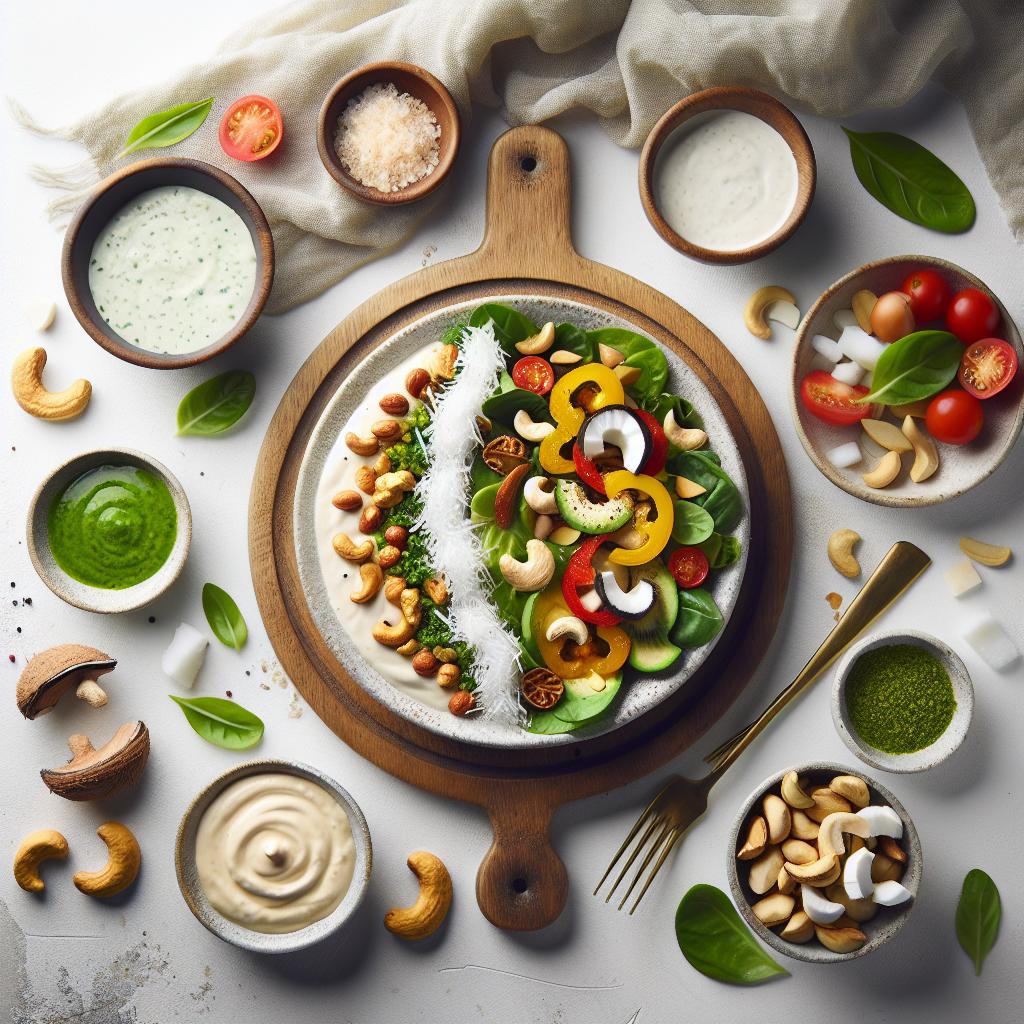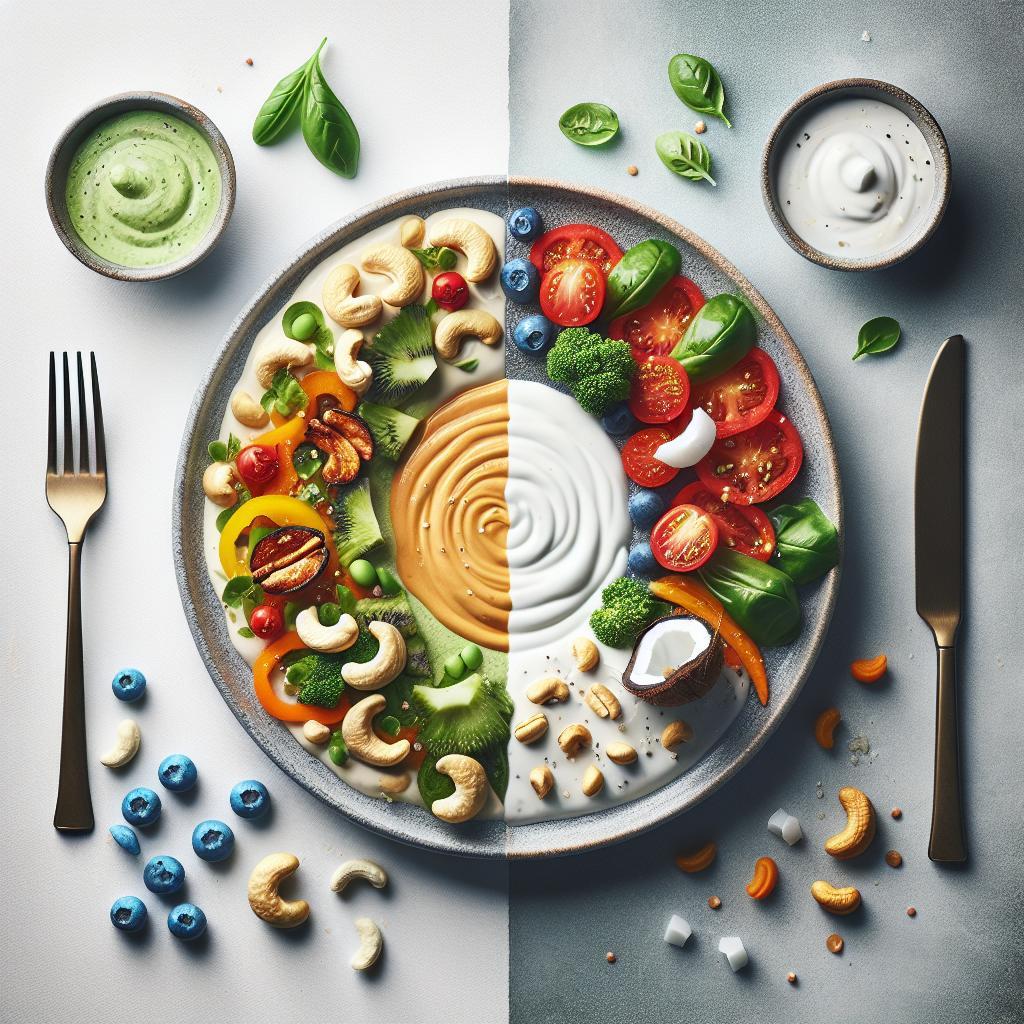

When it comes to luscious, velvety sauces that elevate dishes from ordinary to extraordinary, two creamy contenders often steal the spotlight: cashew cream and coconut cream. Both hailed as dairy-free delights, they bring unique flavors, textures, and culinary personalities to the table. But how do you choose between the nutty richness of cashew cream and the tropical allure of coconut cream? In this sauce showdown, we’ll unravel the mysteries behind these creamy champions, exploring their origins, nutritional profiles, and best uses-helping you master the art of plant-based cooking with confidence and flair. Whether you’re vegan, lactose-intolerant, or simply curious, get ready to dive spoon-first into the ultimate creamy face-off!
Cashew Cream vs Coconut Cream brings a fascinating culinary showdown of rich, luscious textures and unique flavor profiles that transform everyday sauces into luxurious creations. Whether you’re seeking a creamy base free from dairy or exploring ways to elevate savory and sweet dishes, understanding these vibrant creams unlocks a world of cooking possibilities. Inspired by my years in the kitchen and the growing wave of plant-based innovation, this guide reveals the secrets behind these creams’ textures, nutrition, and best uses-empowering your recipe repertoire with confidence and flair.
Prep and Cook Time
- Preparation: 10 minutes (Cashew Cream soaking time: 4 hours or overnight)
- Cooking: 5 minutes (optional heat for blending or sauces)
- Total: Approximately 15 minutes active time plus soaking for cashew cream
Yield
- About 1 cup per recipe batch
- Sufficient for 3-4 servings of sauce
Difficulty Level
Easy to Medium – perfect for beginner cooks craving gourmet flair or experienced chefs focused on plant-based cuisine.
Ingredients
- For Cashew Cream: 1 cup raw cashews, soaked in water for 4+ hours, drained
- ¾ cup filtered water (adjust for desired creaminess)
- ½ teaspoon sea salt
- 1 teaspoon fresh lemon juice (optional for brightness)
- For Coconut Cream: 1 can (13.5 oz) full-fat coconut milk, chilled (only the solid cream portion)
- 1 tablespoon maple syrup or honey (optional for sweet sauces)
- Pinch of vanilla bean powder or ground cinnamon (optional in desserts)
Instructions
- Prepare Cashew Cream: Drain soaked cashews. In a high-speed blender, combine cashews, water, sea salt, and lemon juice. Blend on high until silky smooth, scraping down the sides as needed. If the texture is too thick, add water tablespoon by tablespoon.
- Extract Coconut Cream: Carefully open the chilled can of coconut milk without shaking. Scoop out the firm coconut cream layer on top, leaving the coconut water behind in another container.
- Whisk and Sweeten (optional): Whisk the coconut cream with maple syrup and vanilla/cinnamon until just combined, depending on whether you want a sweet or neutral base for sauces.
- Combine and Use: Use cashew cream as a neutral, subtly nutty base perfect for savory white sauces, creamy soups, or vegan cheese. Coconut cream’s rich, tropical sweetness suits desserts, curries, or thickening stews with depth.
- Heat Gently: Warm sauces slowly on low heat. Avoid boiling to maintain coconut cream’s silky texture and cashew cream’s delicate flavor.
Chef’s Notes: Tips for Success
- Cashew soaking: Don’t rush soaking; it softens cashews, ensuring smoother texture without graininess.
- Consistency control: Adjust water in cashew cream for thicker dips or thinner dressings. Coconut cream thickens as it cools, so whip or stir before use.
- Flavors: Cashew cream is subtle-infuse with garlic, herbs, or nutritional yeast for savory applications. Coconut cream’s natural sweetness pairs well with tropical fruits, chili spices, or vanilla extracts.
- Make-ahead: Both creams store well in airtight containers in the fridge for up to 4 days; stir before use as separation may occur.
- Allergy awareness: Cashew cream is nut-based, so avoid if allergic; coconut cream is generally safer but always check individual sensitivities.
Serving Suggestions
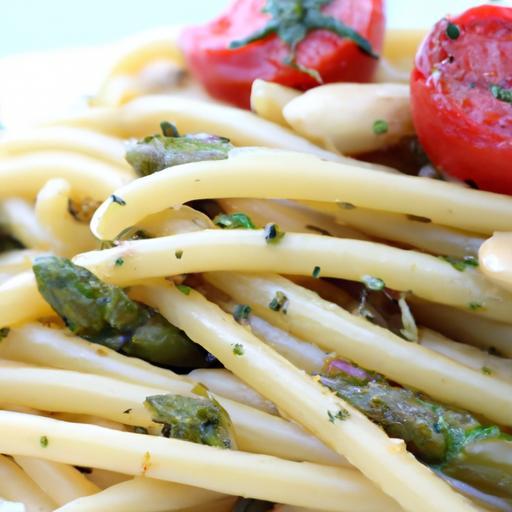
To highlight these creams’ versatility, consider pairing cashew cream with vibrant sautéed greens drizzled on pasta, or swirl it into a warming mushroom soup topped with fresh thyme. Coconut cream shines in spicy Thai curries garnished with cilantro and lime or whipped into a luscious tropical mousse sprinkled with toasted coconut flakes. Use fresh herbs, finely grated citrus zest, or a dusting of smoked paprika for an elevated presentation and flavor burst.
| Feature | Cashew Cream | Coconut Cream |
|---|---|---|
| Calories (per 1/4 cup) | 160 | 180 |
| Protein (g) | 5 | 2 |
| Carbohydrates (g) | 8 | 2 |
| Fat (g) | 13 | 18 |
| Dietary Fiber (g) | 1 | 0 |
Texture and consistency differences significantly impact how each cream performs in recipes. Cashew cream achieves a smooth, silky mouthfeel with gentle thickness, ideal for emulsifying sauces. Coconut cream offers a denser, silkier, and slightly gelatinous texture thanks to natural saturated fats, perfect for creating rich, velvety sauces or desserts with a tropical touch.
When choosing the right cream for your sauce, consider pairing cashew cream with earthy vegetables, mushrooms, and spices like smoked paprika or garlic powder. Conversely, coconut cream excels alongside robust curry spices, fresh ginger, lemongrass, and vibrant chilies, adding a luscious mouthfeel and nuanced sweetness.
For expert tip inspiration, try folding cashew cream into a vegan Alfredo sauce for pasta or blending coconut cream into tomato-based stews to mellow heat while enriching flavor. Either cream is a versatile superstar, making plant-based cooking inviting and indulgently smooth.
For more creative dairy-free sauce ideas, check out our Vegan Sauce Recipes collection. For detailed nutrition insights, visit the USDA Food Database.

Q&A
Q&A: Cashew Cream vs Coconut Cream – Sauce Showdown Explained
Q1: What are cashew cream and coconut cream, and how do they differ?
A: Cashew cream is a smooth, velvety sauce made by soaking and blending cashews with water, creating a rich, nutty base. Coconut cream, on the other hand, is the thick, creamy layer skimmed from the top of full-fat coconut milk, offering a tropical, subtly sweet flavor. While cashew cream boasts a mild, buttery taste and creamy texture, coconut cream delivers a more distinct coconut aroma and a denser, silkier consistency.
Q2: How does the flavor profile influence their use in cooking?
A: Cashew cream is like a blank canvas-its gentle nuttiness complements savory dishes and desserts alike without overpowering. It’s ideal for creamy pasta sauces, vegan cheeses, or silky soups. Coconut cream brings a tropical twist, infusing dishes with its signature coconut essence, perfect for curries, desserts like mousse, or tropical smoothies.
Q3: Are there nutritional differences between cashew cream and coconut cream?
A: Absolutely! Cashew cream is richer in protein and offers healthy monounsaturated fats, along with vitamins like E and minerals like magnesium. Coconut cream, while lower in protein, packs saturated fat (mostly medium-chain triglycerides) and provides a boost of lauric acid, known for potential immune benefits. Both can be part of a balanced diet but differ in fat composition and calories.
Q4: Can cashew cream replace coconut cream (and vice versa) in recipes?
A: Yes and no! Cashew cream can often substitute coconut cream in dishes where the coconut flavor isn’t pivotal, lending creaminess without the tropical punch. Coconut cream can replace cashew cream in recipes that benefit from its richness and coconut aroma, but it might alter the flavor profile. Textural differences should also be noted-cashew cream may be slightly lighter, while coconut cream is thicker and richer.
Q5: Which cream is better for vegan cooking?
A: Both are staples in vegan kitchens, but their roles differ. Cashew cream’s versatility and neutral taste make it a go-to for mimicking dairy cream or cheese textures without coconut undertones. Coconut cream shines as a naturally sweet, ultra-rich option for vegan desserts and exotic dishes. The choice often depends on the dish’s flavor needs and personal preference.
Q6: How easy are they to prepare at home?
A: Cashew cream requires a bit more prep-soaking cashews for several hours or overnight before blending to silky smoothness. Coconut cream is more straightforward; simply chill a can of full-fat coconut milk, scoop out the solidified cream on top, and it’s ready to use. Homemade versions let you control texture and freshness but vary in effort.
Q7: Any tips for storing and using leftovers?
A: Store both creams in airtight containers in the fridge-cashew cream lasts about 4-5 days, and coconut cream up to a week. They also freeze well; just thaw and stir before use. Leftover cashew cream can be a luscious base for dips or smoothies, while leftover coconut cream makes a dreamy addition to coffee, sauces, or ice creams.
Q8: Final verdict – which cream takes the crown?
A: The ultimate champion depends on your culinary quest! For an adaptable, subtle cream with a nutty hug, cashew cream is the MVP. For a luxurious, coconut-infused lushness, coconut cream reigns supreme. Understanding their strengths will elevate your sauces from good to unforgettable-so why not keep both in your kitchen arsenal?
Future Outlook
In the ultimate showdown between cashew cream and coconut cream, the choice truly depends on the culinary canvas you’re working with. Cashew cream brings a velvety, subtly nutty richness that effortlessly enhances savory sauces and creamy soups, while coconut cream dazzles with its tropical sweetness and bold creaminess, perfect for both sweet treats and vibrant curries. Armed with this knowledge, you can confidently tailor your sauces to suit the mood of your dish, turning every meal into a masterpiece of flavor and texture. So go ahead-whip out your blender, experiment, and let the sauce showdown inspire your next kitchen creation!