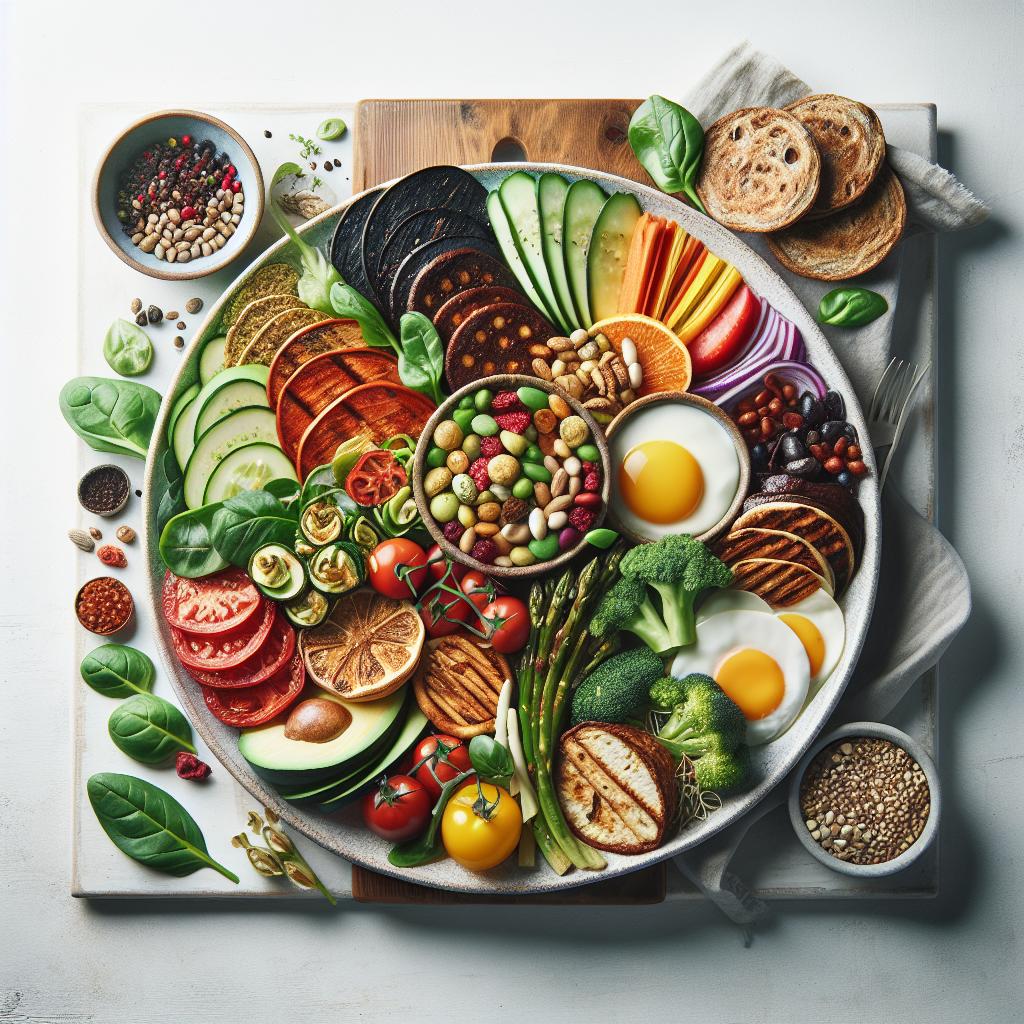
In a world buzzing with green innovation, the quest for the perfect plant-based protein is more vibrant than ever. While soy has long reigned as the go-to source for those seeking meat-free nourishment, a diverse lineup of plant-powered contenders is now stepping into the spotlight, ready to transform your plate and fuel your body. From ancient grains to lesser-known legumes, these protein-packed gems offer exciting new flavors, textures, and nutritional benefits that go beyond the familiar. Join us as we journey Beyond Soy to uncover the top plant-based protein picks that are reshaping how we eat, energize, and embrace a sustainable future.
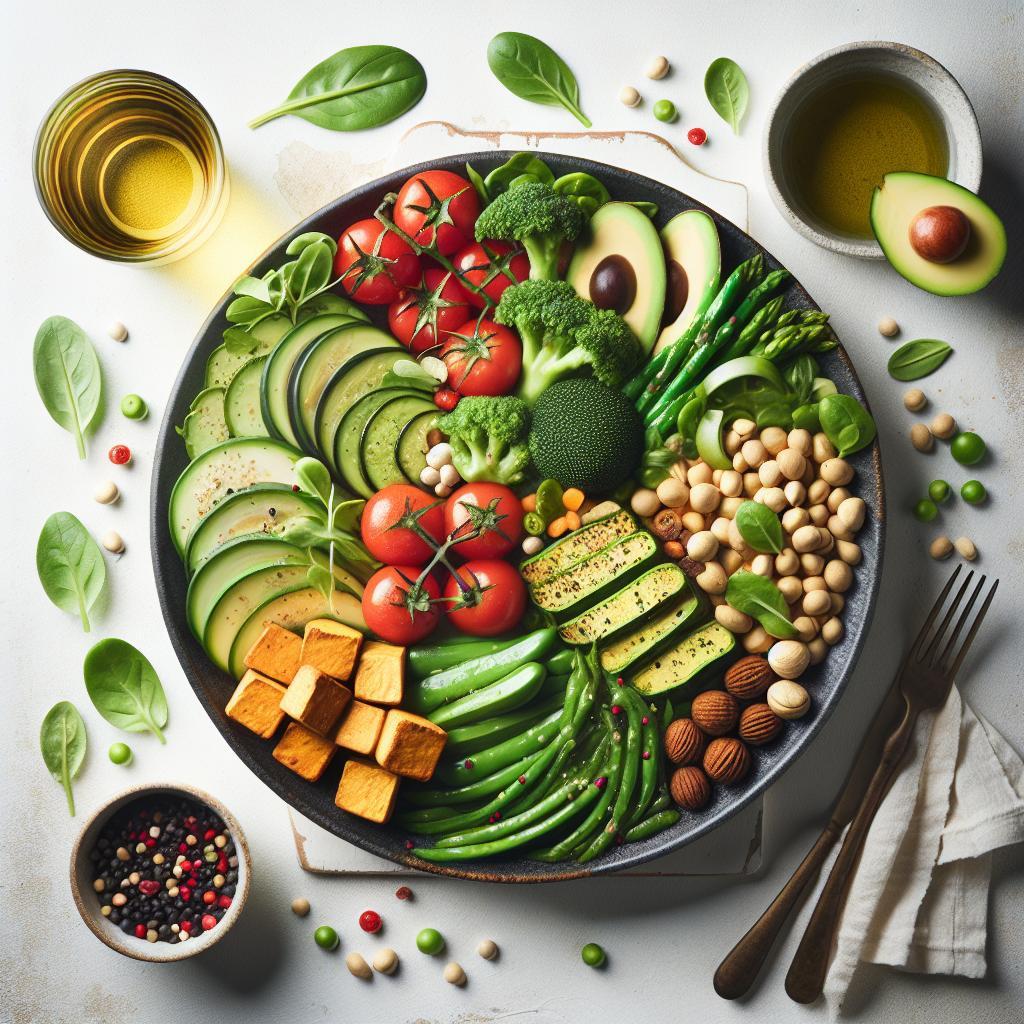
Beyond Soy: Discover Top Plant-Based Protein Picks opens the door to a world of nutrient-packed alternatives that bring vibrant flavors and textures to your table. Whether you’re a longtime plant-based eater or simply curious about diversifying your protein sources, exploring these powerhouse ingredients can transform everyday meals into nourishing, satisfying experiences. Today, we spotlight a luscious and hearty lentil and quinoa pilaf that celebrates the remarkable potential of plant proteins beyond the usual soy-based staples. This dish effortlessly combines bold spices, fresh herbs, and wholesome grains, capturing the essence of culinary creativity fused with nutritional wisdom.
Prep and Cook Time
Prep Time: 15 minutes | Cook Time: 30 minutes | Total Time: 45 minutes
Yield
Serves 4 generous portions
Difficulty Level
Easy to Medium – approachable for cooks new to plant-based proteins but rewarding enough for seasoned chefs craving inspiration.
Ingredients
- 1 cup green or brown lentils, rinsed and drained
- 3/4 cup tri-color quinoa, rinsed
- 3 cups vegetable broth, low sodium
- 1 medium onion, finely chopped
- 3 cloves garlic, minced
- 1 red bell pepper, diced
- 1 teaspoon smoked paprika
- 1 teaspoon ground cumin
- 1/2 teaspoon turmeric powder
- 1/4 teaspoon cayenne pepper (optional, adjust to heat preference)
- 2 tablespoons olive oil or avocado oil
- 1/4 cup fresh parsley, chopped
- 1/4 cup toasted pumpkin seeds for crunch
- Salt and freshly ground black pepper, to taste
- Juice of 1 lemon (for a bright finish)
Instructions
- Prepare lentils and quinoa: In a medium saucepan, combine rinsed lentils and 2 cups of vegetable broth. Bring to a boil, then simmer uncovered for 15 minutes. Add quinoa and remaining 1 cup broth, continuing to simmer until both are tender and liquid absorbed, about 15 more minutes.
- Sauté aromatics: While lentils cook, heat olive oil in a large skillet over medium heat. Add chopped onion and sauté until translucent, about 5 minutes. Stir in garlic and red bell pepper; cook for another 3 minutes until fragrant and softened.
- Spice it up: Sprinkle smoked paprika, cumin, turmeric, and cayenne into the skillet. Stir constantly to toast spices lightly, about 1 minute, releasing deep aromas.
- Combine and season: Add cooked lentils and quinoa mixture to the skillet with the spiced vegetables. Gently mix to combine and heat through for 2-3 minutes. Season with salt, pepper, and fresh lemon juice, balancing earthiness and brightness.
- Finish with texture: Remove from heat and fold in chopped parsley and toasted pumpkin seeds, adding freshness and delightful crunch to every bite.
- Plate and garnish: Serve warm as a standalone main or alongside seasonal roasted vegetables. Garnish with an additional sprinkle of herbs and a lemon wedge for extra zing.
Tips for Success
- For quicker prep, soak lentils 1 hour beforehand to reduce cooking time.
- Swap quinoa with millet or barley for a different grain texture without compromising protein content.
- Use homemade vegetable broth to intensify flavors or adjust sodium with a splash of tamari if opting for low-sodium broth.
- Add sautéed mushrooms or diced sweet potatoes for added richness and complexity.
- Make ahead: This pilaf keeps well refrigerated for 3 days and tastes fantastic served cold as a protein-packed salad.
Serving Suggestions
Beyond its robust nutrition, this pilaf doubles as a versatile canvas for creativity. Serve it inside grilled pita pockets with a dollop of creamy vegan yogurt, or atop a bed of fresh baby spinach drizzled with tangy tahini sauce. A side of crisp cucumber salad or roasted Brussels sprouts complements the nutty flavors spectacularly. Don’t forget a sprinkle of toasted seeds or nuts on top for that irresistible textural contrast that completes the dish’s sensory appeal.

| Nutrient | Per Serving |
|---|---|
| Calories | 320 kcal |
| Protein | 18 g |
| Carbohydrates | 45 g |
| Fat | 7 g |
For an in-depth exploration of plant-based nutrition and other protein-rich recipes, check out our Ultimate Guide to Plant-Based Proteins. To deepen your knowledge, visit the Harvard T.H. Chan School of Public Health for expert articles on plant-based diets.
Q&A
Q&A: Beyond Soy – Discover Top Plant-Based Protein Picks
Q1: Why look beyond soy for plant-based protein?
A1: While soy is a well-known and complete plant protein, some people seek variety due to allergies, GMO concerns, or taste preferences. Exploring other plant-based proteins can diversify your diet and introduce new textures, flavors, and nutritional benefits.
Q2: What are some standout plant-based proteins besides soy?
A2: Lentils, chickpeas, quinoa, hemp seeds, peas, chia seeds, and pumpkin seeds are excellent choices. Each brings unique amino acid profiles, fiber, vitamins, and minerals that can enhance both your nutrition and culinary creativity.
Q3: How do these proteins compare to soy in terms of protein content?
A3: Many alternatives pack a powerful protein punch. For example, lentils offer about 18 grams per cooked cup, chickpeas around 15 grams, and hemp seeds approximately 10 grams per 3 tablespoons. While soy remains one of the highest in protein density, these rivals hold their own and contribute important nutrients.
Q4: Can plant proteins really provide all essential amino acids?
A4: Yes! While most plant proteins aren’t complete individually, combining them throughout the day – like rice with beans or hummus on whole-grain bread – creates a full amino acid profile. Quinoa and hemp seeds are notable exceptions as complete plant proteins on their own.
Q5: What creative ways can I add these proteins into my meals?
A5: The possibilities are endless! Toss roasted chickpeas into salads for crunch, blend hemp seeds into smoothies, use lentils as a filling in hearty soups or veggie burgers, sprinkle chia seeds on oatmeal, or swap traditional grains with quinoa in your favorite dishes. Experimentation is the secret ingredient.
Q6: Are these alternatives better for the environment than soy?
A6: Many are! Peas, lentils, and chickpeas typically require less water and fertilizer compared to soy. Diversifying protein sources not only supports agricultural biodiversity but also helps reduce the ecological footprint of your diet.
Q7: Any tips for beginners transitioning from soy-based proteins?
A7: Start small-try adding a new plant protein once a week. Pair unfamiliar flavors with familiar meals to ease the palate. Gradually, you’ll build confidence and discover exciting combinations that keep your meals vibrant and nutritious.
Q8: Final takeaway for plant protein enthusiasts?
A8: Think beyond soy to unlock a world of plant-powered goodness. Mixing and matching various protein sources enriches your meals, fuels your body, and nurtures the planet. Embrace the adventure-your taste buds and muscles will thank you!
Concluding Remarks
As the plant-based landscape continues to evolve, venturing beyond soy opens up a vibrant world of protein-packed possibilities that nourish both body and planet. From the earthy richness of lentils to the subtle crunch of pumpkin seeds, these top contenders prove that variety isn’t just the spice of life-it’s the backbone of a balanced, sustainable diet. Embracing these alternatives not only diversifies your meals but also supports a future where health and harmony walk hand in hand. So next time you’re reaching for your plant protein, remember: there’s a whole garden of options waiting to elevate your plate and fuel your day.