
In the vibrant world of plant-based cuisine, the art of savoring every bite often leads to one delicious dilemma: what to do with those abundant vegan leftovers? Whether it’s a hearty lentil stew, a colorful vegetable stir-fry, or a creamy cashew-based sauce, reheating vegan dishes can sometimes unleash unexpected textures and flavors-think sogginess, dryness, or that elusive “off” taste. But fear not! Mastering vegan leftovers is less about luck and more about technique. This article will guide you through savvy, science-backed strategies to reheat your plant-powered meals flawlessly, preserving their freshness and flavor without the weirdness. Say goodbye to leftover disappointment and hello to next-level tasty takeout-right from your own fridge.
Mastering Vegan Leftovers: Reheat Without the Weirdness
Mastering vegan leftovers: reheat without the weirdness starts with understanding the delicate science of flavor preservation in plant-based meals. Vegan dishes often rely on fresh, vibrant ingredients that can lose their texture or aroma when reheated improperly. From creamy cashew sauces turning grainy to crispy tofu becoming rubbery, the challenge lies in reviving these meals so they taste just as delightful the second time around.
Imagine savoring your leftover chickpea curry, bursting with fragrant spices and velvety richness, just as if it were freshly made. With a few savvy techniques and a sprinkle of creativity, you can transform your plant-based leftovers into culinary delights that feel intentionally crafted rather than haphazardly reheated.
Prep and Cook Time
- Prep Time: 5 minutes
- Reheating Time: 10-15 minutes (depending on method)
Yield
- Serves 2-4, perfect for one or two meals
Difficulty Level
- Easy
Ingredients
- 2 cups leftover vegan curry or stew
- 1 tbsp olive oil or avocado oil
- 1 tsp lemon juice or apple cider vinegar (optional, for freshness)
- 2 tbsp nutritional yeast (optional, to enhance umami)
- 1 small onion, finely chopped (for re-crisping, optional)
- Fresh herbs like cilantro or parsley, finely chopped, for garnish
- Salt and pepper to taste
Instructions
- Assess Your Leftover: Identify the main components of your dish-grains, vegetables, sauces-and separate those prone to overcooking, such as leafy greens or tofu cubes.
- Choose a Reheating Method: For curries and stews, the stovetop is ideal. Heat 1 tbsp olive oil in a non-stick skillet over medium heat.
- Reheat with Care: Add the leftover dish to the skillet. Stir gently and cook for 8-10 minutes, allowing the sauce to thicken slightly without burning. For grain-heavy dishes, adding a splash of water or vegetable broth prevents drying out.
- Revive Flavors: Once warmed, stir in 1 tsp lemon juice or apple cider vinegar to brighten flavors and cut through any flatness caused by refrigeration.
- Enhance Umami: Sprinkle 2 tbsp nutritional yeast if you want to deepen the savory notes.
- Re-crisp Components: In a separate pan, sauté chopped onion or any tofu pieces until golden and crispy, about 5 minutes. Incorporate these at the end for texture contrast.
- Season and Garnish: Adjust salt and pepper. Finish with freshly chopped herbs for freshness and vibrancy.
- Serve Immediately: Pair with warm flatbread, steamed greens, or a fresh salad for a balanced yet quick meal.
Tips for Success
- Keep Sauces Separate When Freezing: Freeze sauces and solids separately to preserve texture and aid in even reheating.
- Use Moist Heat for Grain Bowls: Cover leftovers with a damp paper towel when microwaving to avoid dryness.
- Don’t Overheat: Heat on medium-low to prevent breaking or toughening of plant-based proteins like tofu or seitan.
- Revamp with Fresh Elements: Adding slices of avocado, crunchy nuts, or pickled veggies brings new life to reheated meals.
- Invest in Tools: A good non-stick skillet, steamer basket, and an air fryer elevate your reheating game.
- Make Ahead Hacks: Pre-portion leftovers into airtight containers and label with the date-this keeps waste down and flavor fresh.
Serving Suggestions
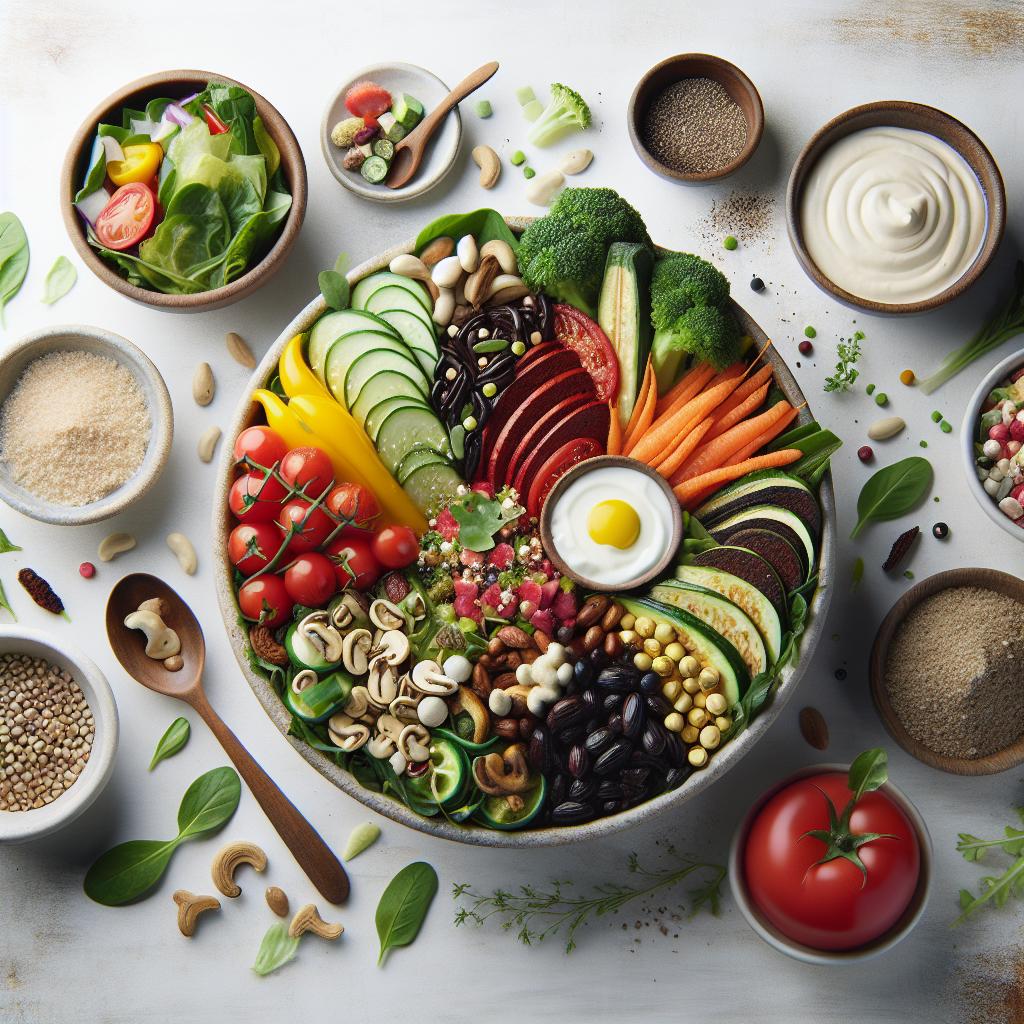
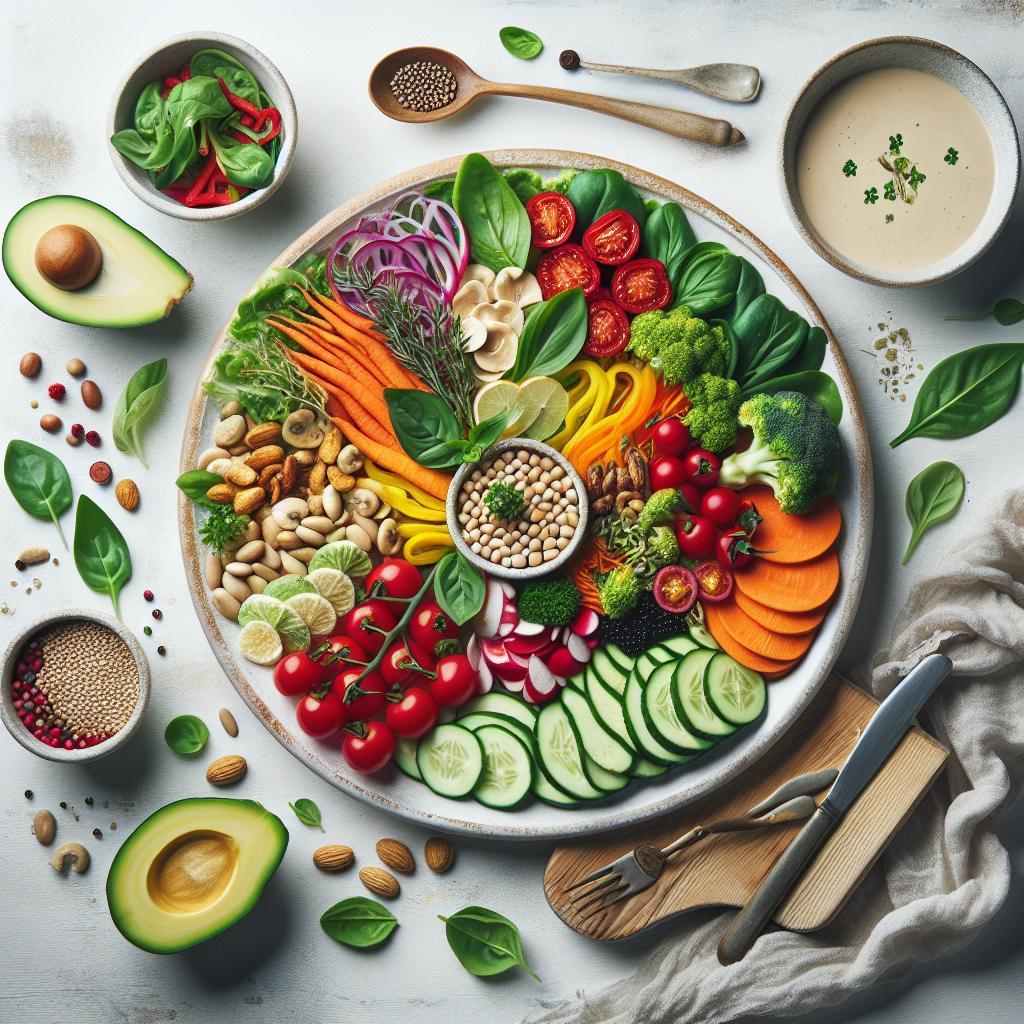
Elevate your vegan leftovers visually and taste-wise by plating them with vibrant accompaniments. For example, serve your reheated curry atop fluffy quinoa or steamed brown rice with a side of tangy cucumber salad. Garnish generously with fresh herbs, a drizzle of tahini, or toasted sesame seeds to add texture and a burst of flavor contrast. A wedge of lemon or lime on the side invites diners to add a bright finishing touch.

| Nutrition Info (per serving) | Calories | Protein | Carbs | Fat |
|---|---|---|---|---|
| Leftover Vegan Curry | 280 kcal | 10 g | 35 g | 8 g |
For an advanced dive into reheating vegan proteins without losing texture and flavor, check out our Vegan Protein Reheating Guide. Additionally, authoritative sources like the FDA Food Safety Resources provide excellent tips on safe reheating temperature ranges to keep your meals both delicious and safe.
Q&A
Q&A: Mastering Vegan Leftovers – Reheat Without the Weirdness
Q1: Why do vegan leftovers sometimes reheat with a strange texture or flavor?
A1: Vegan dishes often rely on plant-based proteins, tofu, beans, or veggies that change texture when reheated. Oils can separate, and moisture levels shift, causing sogginess or dryness. Plus, spices and sauces can intensify or mute, leading to unexpected flavors. Understanding these quirks is the first step to mastering your leftovers!
Q2: What’s the best way to reheat tofu without it turning rubbery?
A2: Pat tofu dry before reheating and reintroduce moisture carefully. Pan-frying leftovers with a splash of water or broth helps keep tofu tender. Avoid microwaving tofu straight from the fridge; instead, let it come to room temperature or reheat gently on the stovetop to preserve its texture.
Q3: How can I bring crispiness back to vegan fried foods?
A3: Re-crisping vegan fried leftovers is an art. Skip the microwave, which creates sogginess. Instead, use an air fryer or a hot oven (around 375°F/190°C) for 10-15 minutes. Adding a light spray of oil refreshes that delightful crunch without greasiness.
Q4: Are there tricks for preventing rice and grains from drying out?
A4: Absolutely! Sprinkle a few drops of water over your rice or grains before reheating, then cover them with a lid or microwave-safe wrap. This traps steam and keeps grains fluffy rather than tough and clumpy.
Q5: What about reheating creamy sauces or dips?
A5: Creamy vegan sauces can separate or curdle if heated too quickly or at high temperatures. Warm them gently over low heat, stirring constantly. For microwave reheating, use short bursts of time (20-30 seconds), stirring in between to maintain smooth consistency.
Q6: Can I mix leftover vegan foods together when reheating?
A6: Mixing is a brilliant way to create fresh, exciting meals from leftovers! Just be mindful of flavor profiles and moisture content. Combine drier items (like roasted veggies) with saucier ones (like curry or stew) and reheat gently to balance textures and prevent any “weirdness.”
Q7: How long can vegan leftovers be safely stored before reheating?
A7: Generally, vegan leftovers keep well for 3-4 days in the fridge. For longer storage, freeze portions in airtight containers. When reheating frozen vegan dishes, defrost slowly in the fridge overnight for best texture and flavor.
Q8: Any must-have kitchen tools for perfect vegan leftover reheating?
A8: A trusty air fryer, a non-stick skillet, and microwave-safe containers with lids are your best pals. A steamer basket also comes in handy for gentle reheating of delicate veggies, while a silicone spatula helps keep stirring smooth and easy.
Mastering vegan leftovers isn’t just about reheating – it’s about reviving, reimagining, and relishing every bite without the weirdness. With these tips, you’ll transform yesterday’s meals into today’s delicious victories!
Closing Remarks
In the end, mastering vegan leftovers is less about magic and more about mindful methods. By embracing the right reheating techniques, you can transform yesterday’s meals into today’s delights-free from that awkward off-putting vibe. With these tips in your culinary toolkit, leftover vegan dishes become not only convenient but genuinely crave-worthy, proving that deliciousness doesn’t have to take a backseat when it’s time to reheat. So, go ahead and savor those vibrant flavors all over again, because mastering the art of reheating is truly a game-changer for plant-based living.