
In the bustling rhythm of modern life, the humble grain often takes a backseat-whisked away in complicated recipes or overshadowed by flashier dishes. Yet, within the simple vessel of a single pot lies a world of culinary magic, where art meets science to transform basic grains into meals bursting with flavor, texture, and nourishment. The art and science of perfect one-pot grain cooking is a celebration of harmony: the careful balance of heat, liquid, and time uniting with the instinct of seasoning and timing. Whether you’re coaxing delicate quinoa into fluffy perfection or coaxing hearty barley into a comforting stew, mastering this technique unlocks a gateway to effortless, wholesome cooking. Join us as we explore how understanding grains’ unique qualities and the chemistry of cooking can turn a one-pot meal into a masterpiece of taste and simplicity.
The Art and Science of Perfect One-Pot Grain Cooking: Foundations of Flavor Building
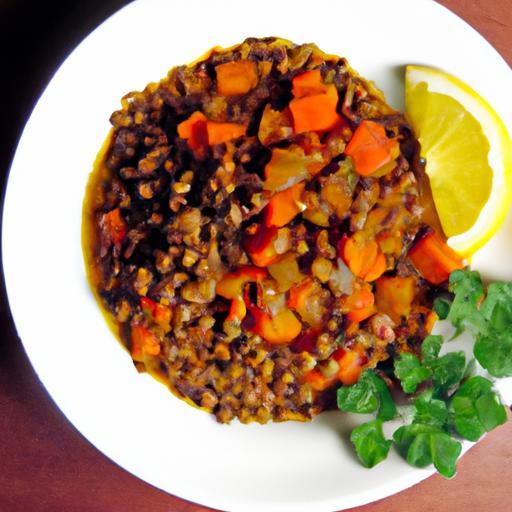
The Art and Science of Perfect One-Pot Grain Cooking begins with understanding the delicate balance between grain-to-liquid ratios, ingredient harmony, and the artful layering of aromatics and proteins. This combination elevates simplicity into a dish brimming with nuanced flavor and irresistible texture. Whether a busy weeknight dinner or a leisurely weekend creation, mastering this foundation transforms humble grains into a gourmet delight.
Prep and Cook Time
- Preparation: 15 minutes
- Cooking: 30-40 minutes
- Total Time: 45-55 minutes
Yield
Serves 4 generous portions
Difficulty Level
Medium – perfect for adventurous home cooks looking to refine their grain-cooking prowess
Ingredients
- 1 cup pearl barley, rinsed well
- 2 1/2 cups low-sodium chicken or vegetable broth
- 1 medium yellow onion, finely chopped
- 3 cloves garlic, minced
- 1 medium carrot, diced small
- 1 celery stalk, diced small
- 1 teaspoon smoked paprika
- 1/2 teaspoon dried thyme
- Salt and freshly ground black pepper, to taste
- 2 tablespoons olive oil
- 1 cup cooked shredded chicken or firm tofu cubes (optional protein)
- Fresh parsley for garnish
Instructions
- Heat the olive oil in a heavy-bottomed pot over medium heat. Add the chopped onion, carrot, and celery. Sauté until softened and translucent, about 5-7 minutes, stirring occasionally to avoid browning too quickly.
- Add the minced garlic and cook for another 1-2 minutes until fragrant, stirring constantly to prevent burning.
- Sprinkle in the smoked paprika and dried thyme, stirring well to coat the aromatics evenly and deepen the flavor base.
- Add the rinsed barley and stir to toast the grains lightly for about 2-3 minutes, enhancing nuttiness and depth.
- Pour in the broth slowly, stirring once. Bring to a gentle simmer and reduce heat to low. Cover and cook for 30-35 minutes, or until the grains are tender and the liquid is mostly absorbed. Check after 20 minutes and stir gently to prevent sticking.
- If using, fold in the cooked shredded chicken or tofu cubes during the last 5 minutes of cooking to warm through without drying out.
- Season with salt and black pepper to taste, adjusting based on broth saltiness.
- Remove from heat and let sit, covered, for 5 minutes to allow flavors to meld and the texture to settle.
- Fluff the grains gently with a fork and garnish generously with fresh parsley before serving.
Tips for Success: Building Flavors with Confidence
- Grain-to-liquid ratios vary by type – barley is thirsty but forgiving; stick close to 1:2.5 for tender, creamy results.
- Complementary vegetables like carrots and celery provide natural sweetness and crunch contrast that elevate the dish.
- Layering aromatics in stages (onion base, then garlic, then spices) prevents overpowering and ensures subtle complexity.
- Choose proteins with mild seasoning to let grains and aromatics shine – shredded chicken and tofu absorb surrounding flavors perfectly.
- Make-ahead option: Store leftovers in an airtight container for up to 3 days. Reheat gently with a splash of broth to retain moisture.
Serving Suggestions
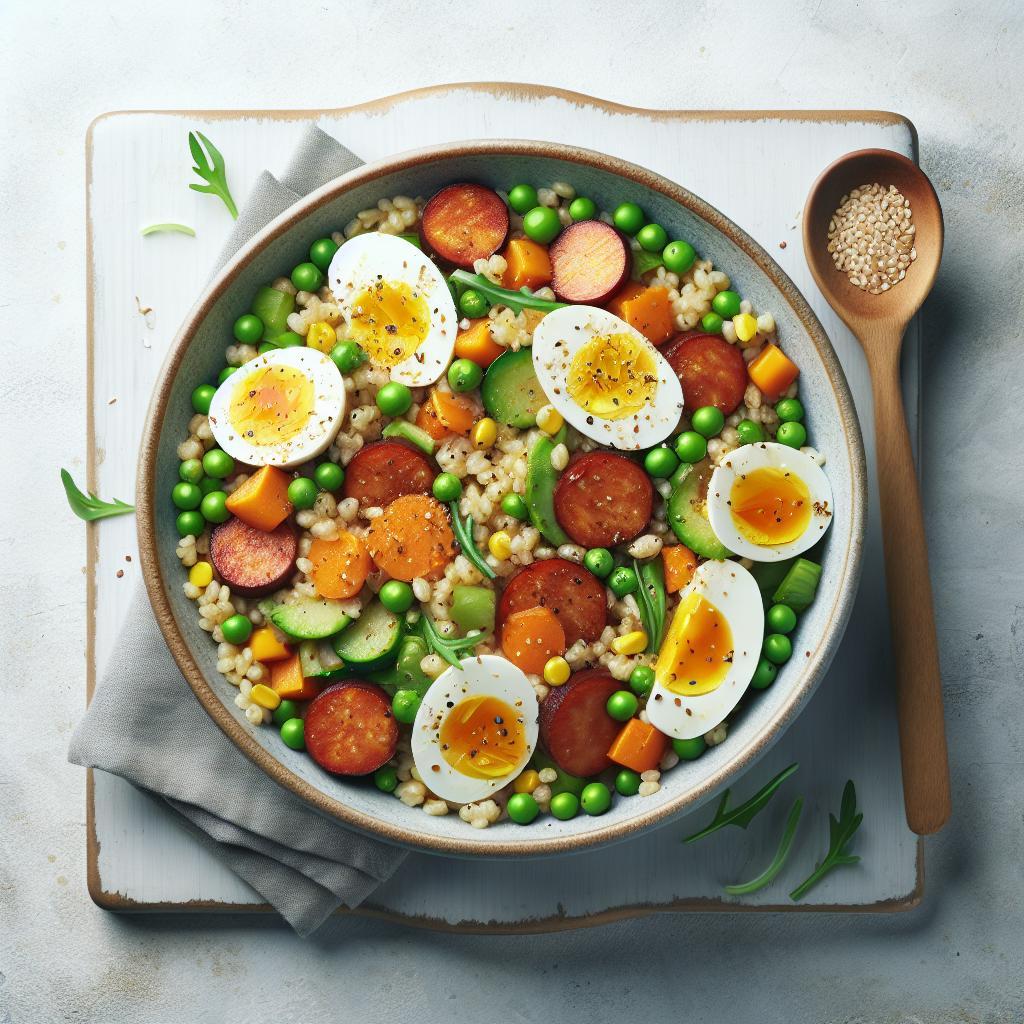
Plate your one-pot grain dish in rustic bowls, adding a drizzle of high-quality extra virgin olive oil or a squeeze of fresh lemon juice to brighten flavors. Top with toasted nuts or seeds for crunch, or a scattering of crumbled feta for creaminess. Pair this dish with a crisp green salad or simply enjoy as a satisfying standalone meal.
| Nutrient | Per Serving |
|---|---|
| Calories | 320 kcal |
| Protein | 18 g |
| Carbohydrates | 45 g |
| Fat | 7 g |

For those eager to deepen their understanding, explore our comprehensive guide to grain cooking techniques. To dive into nutritional science behind grains, visit the Nutrition Society.
Q&A
Q&A: The Art and Science of Perfect One-Pot Grain Cooking
Q1: What makes one-pot grain cooking both an art and a science?
A1: One-pot grain cooking is a beautiful fusion of art and science because it requires both precise technique and creative intuition. The science lies in understanding the ratios of grains to liquid, cooking times, and heat control to achieve perfect texture and flavor. The art emerges in how you season, what additional ingredients you incorporate, and how you balance aromas and textures, transforming simple grains into a harmonious, vibrant dish.
Q2: Why do grains sometimes turn out mushy or undercooked in one-pot recipes?
A2: Mushy grains often result from too much liquid, excessive cooking time, or high heat causing them to break down. Undercooked grains usually mean too little liquid, insufficient cooking time, or heat that’s too low to fully hydrate the grains. Mastering the scientific ratios and adjusting heat precisely are essential to avoid these pitfalls and deliver grains that are tender but intact.
Q3: How important is rinsing grains before cooking?
A3: Rinsing grains removes excess surface starch, dirt, and sometimes bitter compounds. It can prevent clumping and ensure a cleaner, fluffier outcome. However, some grains like risotto rice benefit from their starch to create creaminess, so the decision to rinse or not depends on the desired texture and the specific grain variety.
Q4: Can you explain the ideal grain-to-liquid ratios and how they vary?
A4: Different grains require different liquids to cook perfectly. For example, quinoa usually needs about 1:2 grain to liquid, while brown rice may need closer to 1:2.5. The ratio also shifts depending on whether you want a drier pilaf or a porridge-like consistency. Experimenting within these ranges while noting the grain’s absorption rate will lead you to perfection.
Q5: What are the key flavoring techniques in one-pot grain dishes?
A5: Layering flavors is essential: start with aromatics like onions, garlic, or spices sautéed in oil or butter. Toasting the grains briefly before adding liquid enhances nuttiness. Cooking with broth instead of water enriches depth. Adding acid (like lemon juice or vinegar) at the end brightens the dish. Finally, garnishes such as fresh herbs, nuts, or roasted vegetables add freshness and texture contrast.
Q6: How can one-pot grain cooking be adapted for different cuisines?
A6: One-pot grain cooking is highly versatile. Swap the cooking liquid for coconut milk to evoke Thai flavors, incorporate turmeric and cumin for Indian-inspired dishes, or mix black beans, corn, and cilantro for a Southwest twist. The basic technique stays the same but the flavor palette transforms to reflect global culinary traditions.
Q7: What common mistakes should be avoided for consistently great results?
A7: Avoid lifting the lid frequently as this causes steam loss and inconsistent cooking. Don’t ignore resting time – letting grains sit off heat allows steam to evenly finish cooking and settle texture. Also, avoid overloading the pot with too many ingredients at once which can alter cooking dynamics and water absorption.
Q8: How does one-pot grain cooking fit into modern lifestyles?
A8: It suits busy lifestyles perfectly-minimal cleanup, simplicity, and speed without sacrificing nutrition or flavor. One-pot methods also encourage creativity and batch cooking, making wholesome meals accessible and convenient. It’s a timeless technique revitalized for today’s kitchen, combining efficiency with culinary pleasure.
Embrace the science, unleash your creativity, and discover the majestic simplicity behind perfect one-pot grain cooking!
To Conclude
In the delicate dance of heat, moisture, and timing, mastering the art and science of perfect one-pot grain cooking transforms humble ingredients into a symphony of flavor and texture. With each grain absorbing just the right amount of broth, spices, and love, you unlock a world where simplicity meets sophistication. Whether you’re a seasoned chef or a curious home cook, embracing this method invites you to savor not just a meal, but a crafted experience-where nourishment and creativity coexist in a single, satisfying pot. So, gather your grains, trust the process, and watch as your kitchen fills with the warm promise of perfectly cooked abundance.