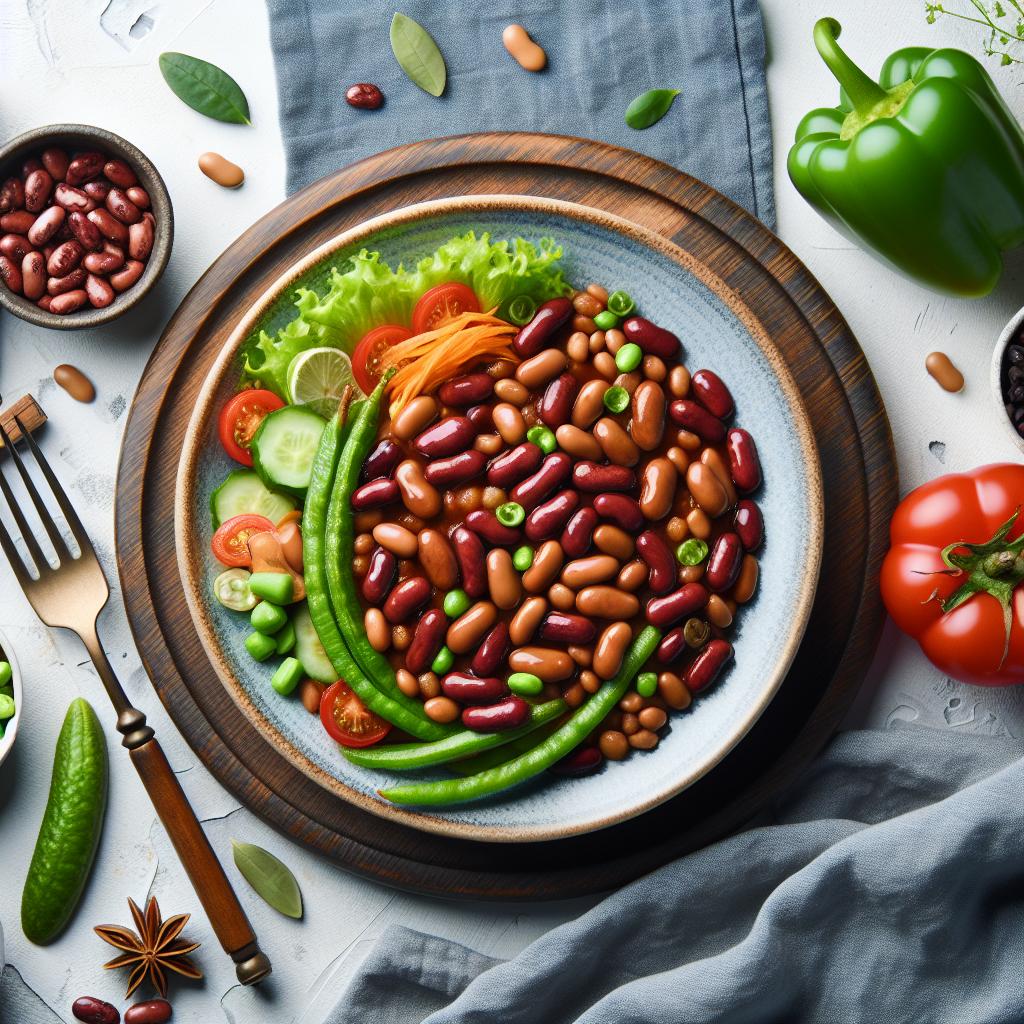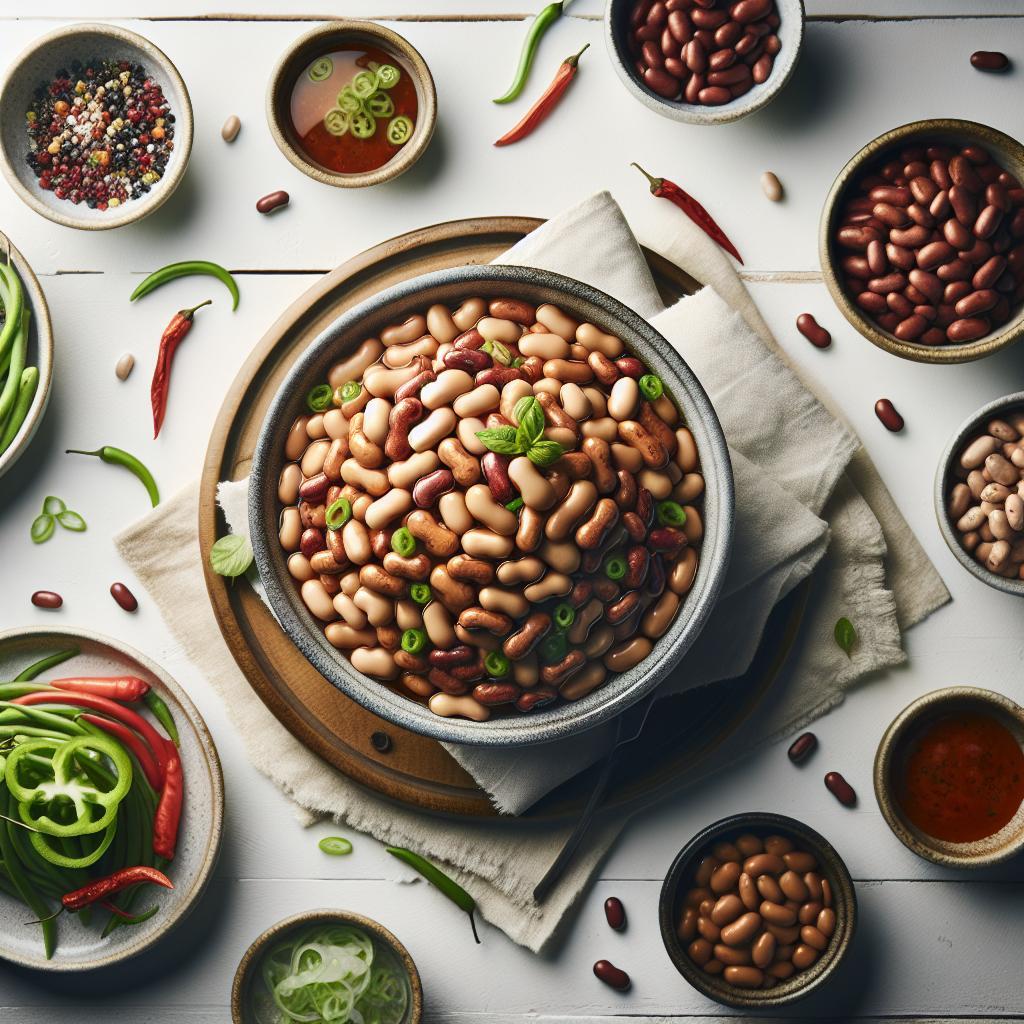

Beans are culinary gems-nutritious, versatile, and deeply comforting. But once cooked, these humble legumes can quickly become a source of frustration if not stored properly. How do you keep their creamy texture intact, their flavors vibrant, and above all, ensure they stay safe to eat? Welcome to your ultimate guide on storing cooked beans safely-where science meets kitchen wisdom, and food safety dances with deliciousness. Dive in to discover the best tips that will have your beans preserved perfectly, ready to enrich your meals whenever hunger strikes.
Choosing Containers and Techniques for Perfect Bean Preservation
Perfectly Preserved cooked beans are the cornerstone of many vibrant dishes-from hearty stews to fresh salads. Ensuring your beans stay fresh, flavorful, and safe involves picking the right containers, mastering cooling methods, and understanding storage nuances.
Prep and Cook Time
- Prep Time: 15 minutes (for sorting and rinsing)
- Cook Time: 1 hour (soaking + simmering)
Yield
About 4 cups of cooked beans (equivalent to 8 servings, depending on use)
Difficulty Level
Easy to Medium – Perfect for both novices and seasoned home cooks
Ingredients
- 1 cup dried beans (black, kidney, cannellini, or chickpeas)
- 3 cups fresh water for soaking and cooking
- 1 teaspoon salt (added after cooking for best texture)
- Optional aromatics: bay leaf, garlic clove, or onion slice
Instructions
- Soak the beans overnight in plenty of cold water for 8-12 hours. This softens them for even cooking and reduces digestive discomfort.
- Drain and rinse the soaked beans thoroughly under cold running water.
- Place beans in a large pot and cover with fresh water. Add optional aromatics, but hold off on salt until after cooking.
- Bring to a gentle boil, then reduce heat and simmer uncovered, stirring occasionally to prevent sticking.
- Simmer beans for 45-60 minutes until tender but not mushy. Add salt during last 10 minutes of cooking to enhance flavor.
- Drain beans but reserve some cooking liquid if you plan to use them in soups or stews.
- Cool cooked beans quickly by spreading them in a shallow container or using an ice bath, then transfer promptly to airtight containers.
Tips for Success
- Choose airtight glass containers or BPA-free plastic options with secure lids to maintain freshness and prevent odor absorption.
- For best results, portion beans into smaller containers-this limits exposure to air each time you open them.
- Cool beans at room temperature for no longer than 2 hours before refrigerating. Rapid cooling preserves texture and reduces bacteria growth.
- Label containers with date cooked to easily track freshness.
- Freeze cooked beans in single-use portions using resealable bags or vacuum-sealed bags to avoid freezer burn and maintain flavor.
- Thaw frozen beans overnight in the refrigerator rather than at room temperature for safety and quality.
Serving Suggestions
Use your perfectly preserved beans in vibrant salads topped with fresh herbs and crumbled feta, stews simmered with smoky spices, or pureed into creamy dips. Garnish with a drizzle of olive oil, fresh cracked pepper, and a sprinkle of toasted seeds for an irresistible presentation. Let the freshness shine in every bite!
| Nutrient | Per 1 cup cooked beans |
|---|---|
| Calories | 240 kcal |
| Protein | 15 g |
| Carbohydrates | 40 g |
| Fat | 1 g |
For detailed insights into bean nutrition and alternative cooking methods, explore Harvard T.H. Chan School of Public Health for trusted, science-backed advice.
Enhance your kitchen library with our related guide on How to Cook Perfect Beans and elevate your bean mastery.

Q&A
Q&A: Perfectly Preserved – Best Tips to Store Cooked Beans Safely
Q1: Why is proper storage important for cooked beans?
A1: Cooked beans are nutritional powerhouses, packed with fiber, protein, and vitamins. However, if not stored correctly, they can spoil quickly or grow harmful bacteria. Proper storage keeps their texture, flavor, and safety intact, so you enjoy every bean in your dish without worry.
Q2: How long can cooked beans be stored safely in the refrigerator?
A2: When cooled and stored properly in an airtight container, cooked beans last about 3 to 5 days in the fridge. Beyond this, they may start to ferment or harbor bacteria, turning your healthy meal into a risky experiment.
Q3: What’s the secret to cooling cooked beans before storage?
A3: Don’t let those beans linger at room temperature for long! Rapid cooling is key. Spread them out on a shallow tray or stir occasionally to release steam. The faster they drop to fridge temperature, the safer they stay.
Q4: Can I freeze cooked beans?
A4: Absolutely! Freezing is a brilliant way to extend their shelf life up to 3 months. Use airtight freezer bags or containers, and consider portioning beforehand. Frozen beans thaw quickly and maintain their taste and texture beautifully.
Q5: Should you add salt before storing cooked beans?
A5: It’s best to season your beans after storage, not before. Salt can sometimes toughen the skins if added too early, affecting texture. Keep beans bland when storing, and jazz them up just before serving.
Q6: How do I tell if cooked beans have gone bad?
A6: Trust your senses-spoiled beans may develop a sour smell, slimy texture, or unusual discoloration. If in doubt, toss them out. When it comes to food safety, it’s better to be safe than sorry.
Q7: Any tips to prevent freezer burn on cooked beans?
A7: Yes! Remove as much air as possible from your storage bags or containers before freezing. Vacuum sealers work wonders. Also, label your beans with the date so you can rotate them easily and avoid the freezer’s icicle effect.
Q8: Can cooking beans in bulk and freezing them save time?
A8: Definitely. Batch cooking beans not only saves prep time but also encourages healthy eating. Stored properly, your cooked beans will be ready to pop into soups, salads, or stews whenever hunger strikes.
Q9: Is it safe to store cooked beans in the cooking liquid?
A9: Storing beans in their cooking liquid helps keep them moist and flavorful. Just make sure the beans and liquid cool quickly and are stored in a clean, airtight container. Reheat thoroughly before eating to ensure safety.
Q10: What container works best for storing cooked beans?
A10: Airtight, food-grade containers-glass or BPA-free plastic-are perfect. They prevent odors from mingling and keep moisture level just right. Avoid leaving beans in metal containers, which can interact with the acid in beans.
With these tips, your beans will stay fresh, safe, and scrumptious-ready to fuel your culinary adventures any day of the week!
Wrapping Up
In the world of wholesome cooking, properly storing your cooked beans isn’t just a tip-it’s a timeless art. By mastering these simple yet effective preservation techniques, you ensure every bite remains as fresh, flavorful, and safe as the moment they first hit your plate. So next time you prepare a pot of beans, remember: with the right care, your culinary creations can stay perfectly preserved, ready to nourish and delight whenever hunger calls. Happy storing, and even happier savoring!