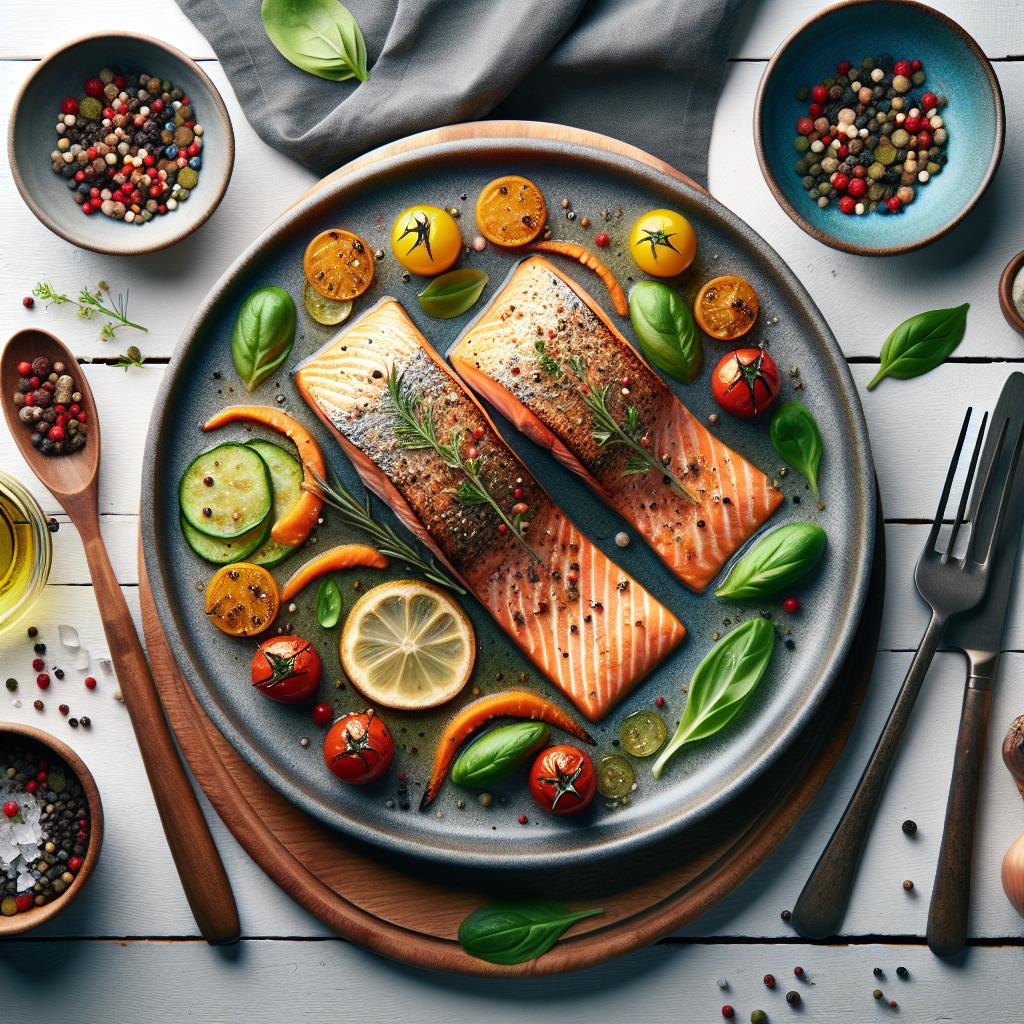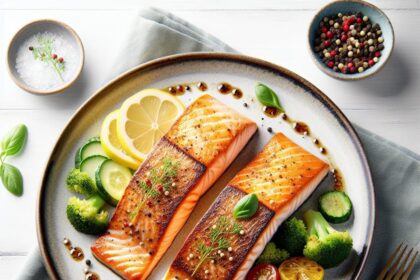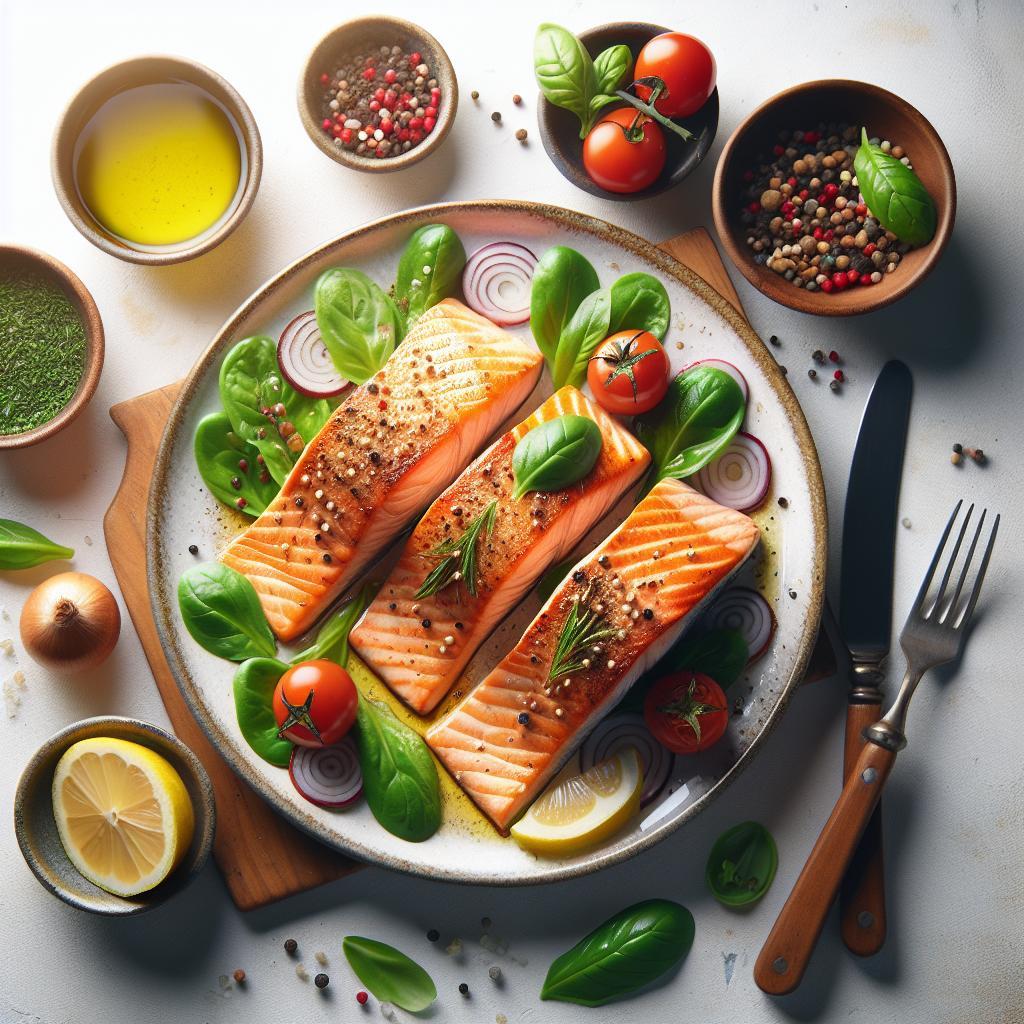

There’s something truly magical about the aroma of freshly baked salmon wafting through the kitchen – a promise of a meal that’s as nourishing as it is delicious. Perfectly baked salmon fillets are more than just a dinner option; they’re a healthful delight that brings together simplicity, flavor, and nutrition on one plate. Whether you’re a seasoned home cook or someone looking to elevate weeknight meals, mastering this recipe unlocks a world where tender, flaky fish meets vibrant herbs and zesty spices. Join us as we dive into the art and science behind baking salmon to perfection, turning everyday ingredients into a wholesome feast that fuels your body and pleases your palate.
- Selecting the Freshest Salmon for Optimal Flavor and Nutrition
- Mastering the Art of Seasoning to Elevate Your Baked Salmon
- Temperature and Timing Secrets for Moist and Flaky Fillets
- Creative Serving Suggestions to Transform Your Healthy Meal
- Prep and Cook Time
- Yield
- Difficulty Level
- Ingredients
- Instructions
- Chef’s Notes & Tips for Success
- Serving Suggestions
- Q&A
- Future Outlook
Selecting the Freshest Salmon for Optimal Flavor and Nutrition
Perfectly Baked Salmon Fillets begin their journey with the freshest fish possible. When choosing salmon, prioritizing freshness not only enhances the natural flavor but also delivers maximum nutritional benefits. Look for fillets that boast vibrant color-from deep coral to bright pink-without any dull or brown spots. The flesh should feel firm and spring lightly under gentle pressure, indicating freshness. Avoid fish with a strong fishy odor; fresh salmon should smell like the ocean-a clean, mild scent. If buying whole, clear eyes and bright red gills are telltale signs of pristine quality. Opting for wild-caught salmon over farm-raised varieties often ensures a richer omega-3 profile and a more pronounced natural flavor, though sustainable farm-raised options can be an excellent choice as well.
Mastering the Art of Seasoning to Elevate Your Baked Salmon
Seasoning is where the magic happens-transforming simple salmon fillets into a flavor-packed delight. For a balanced taste profile, start with a light brush of high-quality extra virgin olive oil to keep the fillets moist. A finishing sprinkle of flaky sea salt enhances the fish’s natural sweetness without overpowering it. Freshly cracked black pepper lends a gentle heat, but don’t stop there: add a pinch of smoked paprika or a dusting of ground coriander for subtle, smoky warmth. Fresh herbs like dill, tarragon, or chives are perfect for bright herbal notes. A squeeze of lemon juice right before serving adds vibrant acidity, cutting through the richness. For a touch of sweetness, a drizzle of honey or maple syrup before baking pairs beautifully with the smoky and savory spices, creating a perfectly balanced crust.
Temperature and Timing Secrets for Moist and Flaky Fillets
Achieving moist and flaky textures with perfectly baked salmon fillets is an art grounded in precision. Preheat your oven to 400°F (200°C) for consistent heat that cooks the salmon evenly without drying it out. Use a baking sheet lined with parchment paper or foil for easy cleanup and to prevent sticking. Place the fillets skin-side down to protect the delicate flesh from direct heat and promote crispiness on the skin. Bake the salmon for 12 to 15 minutes depending on thickness – a general rule is 10 minutes per inch of thickness. Remove the fish at an internal temperature of 125-130°F (51-54°C) for medium doneness, as the salmon will continue to cook slightly off the heat. To test doneness, gently press the fish with a fork-moist flakes should separate easily. Rest the fillets for 3-5 minutes before serving to lock in the juices for that perfect melt-in-the-mouth experience.
Creative Serving Suggestions to Transform Your Healthy Meal
Elevate your perfectly baked salmon fillets into a memorable, healthful feast with thoughtful serving options. Present the fillets atop a vibrant bed of lemon-garlic sautéed spinach or roasted asparagus for a colorful, nutrient-rich base. For a fresh crunch, accompany the salmon with a crisp cucumber-and-avocado salsa tossed in lime juice and cilantro. Wholesome grains like fluffy quinoa or wild rice provide complementary textures and absorb the delicious juices, tying the dish together. Garnish with thinly sliced radishes or microgreens for a pop of color and an added layer of freshness. Drizzle with a homemade lemon-dill yogurt sauce or tahini dressing to introduce creamy tang and harmony. These creative touches make every bite a celebration of health and flavor, perfect for weeknight dinners or impressive dinner parties alike.
Prep and Cook Time
- Prep Time: 10 minutes
- Cook Time: 12-15 minutes
- Total Time: 25 minutes
Yield
- Serves 4
Difficulty Level
- Easy
Ingredients
- 4 salmon fillets (6 oz each), skin-on and fresh
- 2 tbsp extra virgin olive oil
- 1 tsp flaky sea salt
- ½ tsp freshly cracked black pepper
- ½ tsp smoked paprika
- 1 tbsp fresh dill, finely chopped
- 1 lemon, zested and juiced
- 1 tsp honey or pure maple syrup (optional)
- Fresh herbs for garnish (chives, tarragon, or microgreens)
Instructions
- Preheat your oven to 400°F (200°C) and line a baking tray with parchment paper.
- Pat the salmon fillets dry with paper towels to remove excess moisture. This helps achieve a nice crust.
- Brush each fillet with olive oil on all sides, then season evenly with salt, black pepper, smoked paprika, and lemon zest.
- Place the fillets skin-side down on the prepared tray. If using, lightly drizzle honey or maple syrup over the top for caramelization.
- Bake uncovered for 12-15 minutes, depending on thickness. Check at 12 minutes by gently flaking the thickest part with a fork.
- Remove from oven once the salmon flakes easily but is still moist inside. Immediately squeeze fresh lemon juice over fillets.
- Let rest for 3-5 minutes to redistribute juices before serving.
- Garnish with chopped dill and fresh herbs.
Enjoy your perfectly baked salmon fillets!
Chef’s Notes & Tips for Success
- For even cooking, bring salmon to room temperature for 15 minutes before baking.
- Skin-on fillets protect the flesh from drying; skin can be eaten if crispy or easily removed if preferred.
- Experiment with other herb blends like oregano or parsley for different flavor profiles.
- Leftovers keep well and reheat gently in a skillet or microwave for quick meals.
- To ensure flaky texture, avoid overcooking; salmon will continue to cook when resting.
Serving Suggestions
- Serve over a bed of warm quinoa tossed with diced cucumber and fresh parsley.
- Accompany with roasted Mediterranean vegetables drizzled with garlic olive oil.
- Top with a light avocado-cilantro salsa and a dollop of Greek yogurt mixed with lemon zest.
- Add a side salad with rainbow radishes, baby arugula, and toasted almonds for crunch.
- Garnish with edible flowers or microgreens for an elegant presentation.
| Nutrient | Amount per Serving |
|---|---|
| Calories | 350 kcal |
| Protein | 34 g |
| Carbohydrates | 2 g |
| Fat | 22 g (mostly healthy fats) |

For more healthy seafood recipes, explore our Healthy Seafood Dinners collection. To learn about the health benefits of omega-3s in salmon, visit the American Heart Association.
Q&A
Q&A: Perfectly Baked Salmon Fillets – A Healthy Delight Recipe
Q1: Why choose salmon for a healthy meal?
A1: Salmon is a nutritional powerhouse packed with omega-3 fatty acids, high-quality protein, and essential vitamins like B12 and D. These nutrients support heart health, brain function, and glowing skin, making salmon a delicious way to nourish your body.
Q2: What’s the secret to perfectly baked salmon fillets?
A2: The magic lies in timing and temperature-baking salmon at 375°F (190°C) for about 12-15 minutes ensures the flesh stays moist, flaky, and tender. Overcooking can dry it out, so keep a close eye and use a fork to check for that gentle flake.
Q3: How should I season my salmon for maximum flavor?
A3: Keep it simple yet vibrant! A drizzle of olive oil, a sprinkle of sea salt, freshly cracked black pepper, and a squeeze of lemon juice highlight the salmon’s natural richness. For a creative twist, add fresh herbs like dill or a touch of smoked paprika.
Q4: Can I bake salmon fillets with skin on?
A4: Absolutely! The skin acts as a natural barrier that locks in moisture during baking. It crisps up beautifully and adds a delightful texture contrast-just be sure to place the fillets skin-side down on your baking tray.
Q5: What side dishes complement baked salmon?
A5: Salmon’s versatility means it pairs wonderfully with a range of sides. Think roasted asparagus, quinoa salad, garlic sautéed spinach, or a colorful medley of roasted veggies. These sides keep the meal balanced, healthy, and full of fresh flavors.
Q6: Is it okay to reheat baked salmon?
A6: Yes, but gently! Reheat salmon in the oven at a low temperature (around 275°F/135°C) for 10-15 minutes to preserve its texture and prevent drying out. Microwaving can be quick but might make the fish rubbery.
Q7: How can I tell if the salmon is done without cutting into it?
A7: Look for subtle changes-the flesh will turn opaque and lightly firm to the touch. If you press it gently with a fork, it should flake easily along the muscle lines. Avoid guessing by color alone; texture says all.
Q8: Can I prepare this recipe ahead of time?
A8: You can marinate or season your salmon a few hours ahead for deeper flavor infusion, then bake fresh when ready to eat. While cooked salmon can be refrigerated for up to two days, baking fresh ensures maximum flavor and texture.
Embrace the joy of crafting perfectly baked salmon fillets and turn healthy eating into a flavorful celebration!
Future Outlook
In the quest for a meal that effortlessly blends health and flavor, perfectly baked salmon fillets stand as a shining beacon. This recipe not only invites you to savor tender, flaky fish with every bite but also enriches your body with essential nutrients that support vibrant well-being. Whether you’re a seasoned chef or a kitchen novice, mastering this simple yet elegant dish promises to elevate your dining experience. So next time you crave a wholesome delight, remember that the secret to culinary perfection might just be a perfectly baked salmon fillet away-ready to nourish, delight, and inspire.