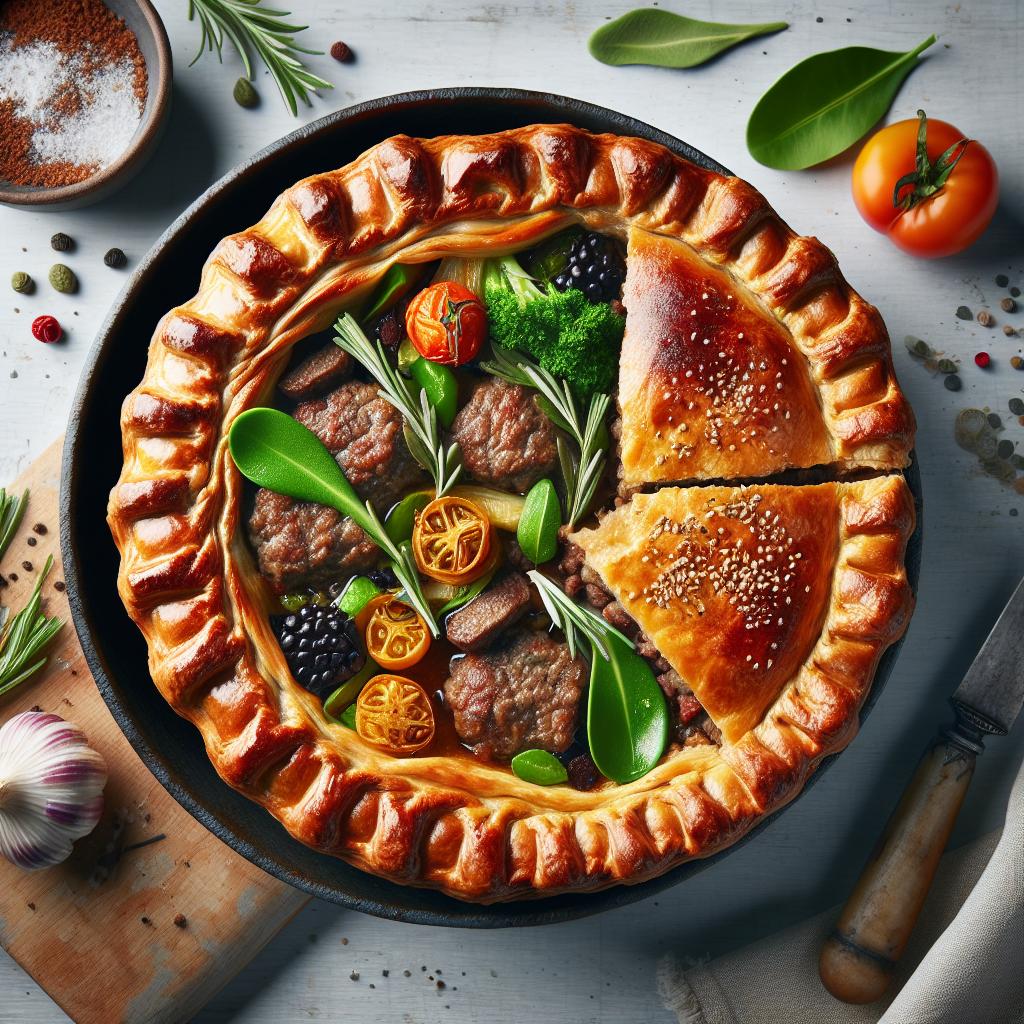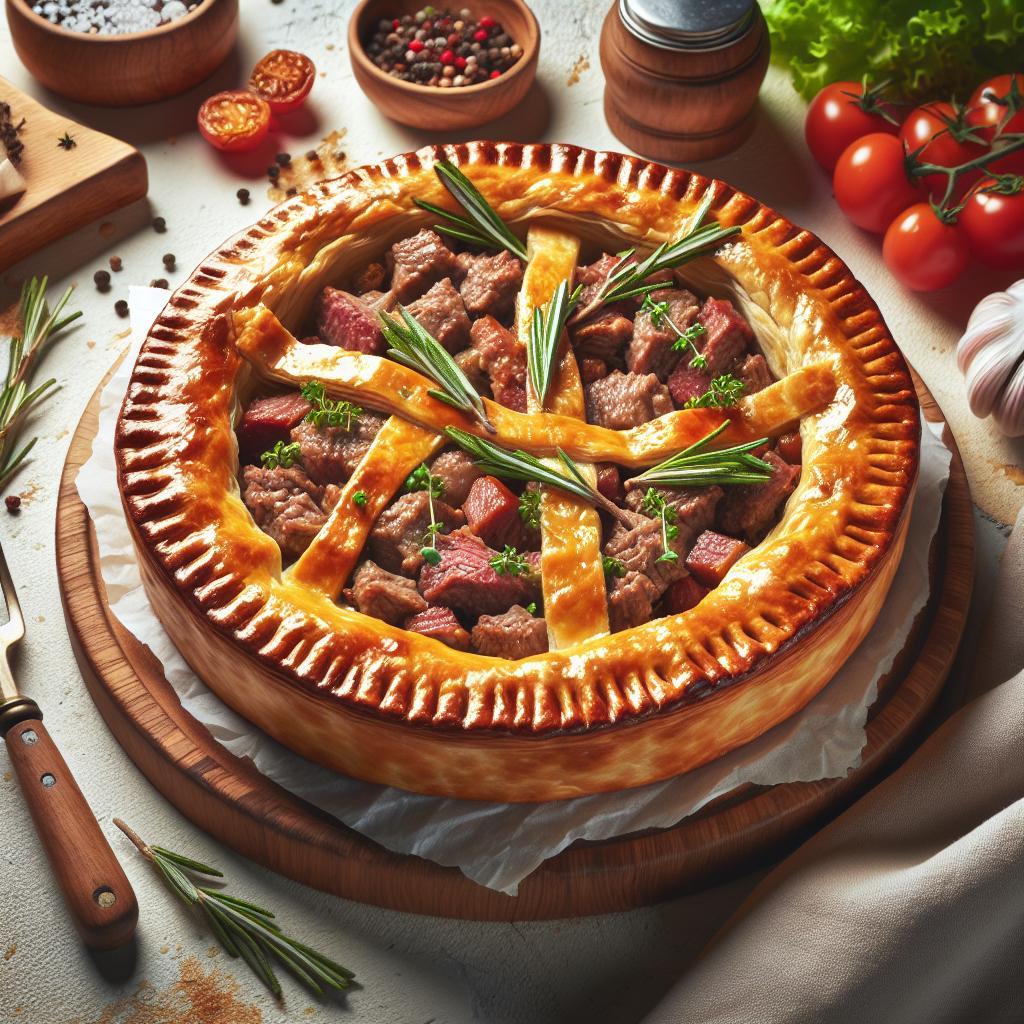

Step back in time and unlock the savory secrets of centuries past with “Savor History: Crafting an Authentic Medieval Meat Pie Recipe.” More than just a dish, this hearty pie is a flavorful portal to the bustling markets and smoky hearths of the Middle Ages. In an era where every ingredient told a story and every bite was a celebration of resourcefulness and tradition, the medieval meat pie stood as a symbol of culinary ingenuity. Join us as we explore the rich tapestry of history woven into flaky crusts and spiced fillings, and learn how to recreate this timeless recipe with authenticity and flair-bringing a taste of the medieval world right to your own table.
Savor History: Crafting an Authentic Medieval Meat Pie Recipe
Savor History: Crafting an Authentic Medieval Meat Pie Recipe offers a culinary voyage to the heart of medieval kitchens, where rich aromas, robust flavors, and rustic textures ruled the table. This dish, rooted in centuries-old traditions, encapsulates the daily life and festive spirit of the past. Embracing the hearty meats and simple, robust seasonings typical of the era lets you recreate a pie that is much more than a meal – it’s a taste of history.
Prep and Cook Time
Preparation: 25 minutes | Cooking: 1 hour 15 minutes | Total: 1 hour 40 minutes
Yield
Serves 6 hearty portions
Difficulty Level
Medium – Perfect for cooks looking to deepen their connection with historical cuisine.
Ingredients
- 2 cups all-purpose flour, sifted
- 1 tsp sea salt
- ¾ cup cold unsalted butter, cubed
- 4-5 tbsp ice water
- 1 lb beef chuck, trimmed and cubed
- 1 lb pork shoulder, trimmed and cubed
- ½ cup cured bacon, chopped
- 2 tbsp rendered beef fat or lard
- 1 large onion, finely chopped
- 3 cloves garlic, minced
- 1 tsp ground black pepper
- 1 tsp dried sage
- ½ tsp ground nutmeg
- 1 tsp dried thyme
- 1 cup beef broth
- 1 tbsp red wine vinegar
- 1 large egg, beaten (for egg wash)
- Fresh parsley for garnish
Instructions
- Prepare the pastry: In a large bowl, mix all-purpose flour and sea salt. Using your fingers or a pastry cutter, work in the cold butter until the mixture resembles coarse, moist crumbs. Add ice water one tablespoon at a time, stirring gently, until dough just comes together. Shape into a disk, wrap in plastic, and chill for 30 minutes.
- Cook the filling: In a heavy-bottomed skillet over medium heat, render the beef fat or lard. Add cured bacon, sauté until crisp, then add cubed beef and pork shoulder. Brown meats evenly – about 8-10 minutes. Remove and set aside.
- Sauté aromatics: In the same skillet, add onion and cook until translucent, about 5 minutes. Stir in garlic, cook another minute until fragrant.
- Simmer the filling: Return meats to skillet. Sprinkle with black pepper, sage, nutmeg, and thyme. Pour in beef broth and red wine vinegar, cover, and simmer on low heat until the meat is tender and gravy thickens, about 40 minutes.
- Roll out pastry: Preheat oven to 375°F (190°C). On a floured surface, roll two-thirds of the dough into a circle about 12 inches in diameter. Fit into a 9-inch deep pie dish, allowing excess to hang over edges.
- Fill and seal: Spoon the filling into the pastry shell, mounding slightly. Roll out remaining dough to form a lid. Dampen edges with water, then fold overhanging dough and crimp to seal tightly. Cut a few small vents in the top crust to let steam escape.
- Apply egg wash: Brush the pie crust generously with the beaten egg to achieve a golden and rustic finish.
- Bake the pie: Place pie on the center oven rack and bake for 45-50 minutes, or until crust is crisp and browned beautifully. Let rest 15 minutes before slicing to allow juices to settle.
Tips for Success
- For historical accuracy, incorporate beef fat or lard rather than modern oils; it adds authentic depth of flavor and flaky texture.
- Don’t overwork the pastry dough-keeping it cool and tender is key for that perfect rustic crust.
- If preferred, substitute pork shoulder with lamb for a more traditional medieval taste noted in some European regions.
- Use fresh herbs whenever possible; dried herbs can be replaced but adjust quantities to taste.
- Prepare your filling a day ahead to deepen flavors-just refrigerate and bring to room temperature before assembling.
Serving Suggestions
Slice warm slices of this savory pie and serve with a side of spiced cabbage or roasted root vegetables. Garnish with freshly chopped parsley to add a burst of color and brightness. A robust red ale or a classic chilled cider pairs beautifully, amplifying the earthy and hearty notes of this medieval delight.
| Nutritional Info (per serving) | Calories | Protein | Carbs | Fat |
|---|---|---|---|---|
| Medieval Meat Pie | 480 kcal | 38 g | 30 g | 22 g |

For more insight into historic European dishes, check out related medieval recipes. To deepen your understanding of medieval food culture and recipes, visit the Encyclopaedia Britannica’s medieval cuisine overview.
Q&A
Q&A: Savor History – Crafting an Authentic Medieval Meat Pie Recipe
Q1: Why should we be interested in medieval recipes like this meat pie today?
A1: Medieval recipes are more than just culinary instructions; they are edible time capsules. By savoring a medieval meat pie, we taste the textures, spices, and traditions of a bygone era, connecting us directly to the daily lives of people who shaped history. It’s history you can bite into!
Q2: What makes a medieval meat pie different from the pies we eat now?
A2: Medieval meat pies often combined a variety of meats with warming spices like cloves, mace, and pepper-a flavor profile less common in modern pies. They were usually encased in a sturdy, sometimes inedible crust called a “coffin” designed to preserve the filling rather than serve as tasty pastry. The recipe’s rustic and hearty nature reflects the medieval palate, economy, and preservation methods.
Q3: Which meats were typically used in medieval meat pies?
A3: The medieval meat pie was a carnivore’s delight, often mixing beef, pork, mutton, and even game like venison or rabbit. Occasionally, poultry or offal found their way inside, too. This blend enhanced flavor complexity and ensured no resource was wasted.
Q4: What spices and herbs should be included for authenticity?
A4: Authentic medieval pies embraced a bold palette. Black pepper, cinnamon, cloves, nutmeg, and mace were prized spices, complemented by herbs like sage, thyme, and parsley. These not only enhanced flavor but also symbolized the exotic trade routes that connected medieval Europe to the East.
Q5: How can modern cooks adapt the medieval recipe without losing authenticity?
A5: Modern palates and kitchens can honor authenticity by using fresh, seasonal ingredients and whole spices while adjusting quantities for balance. Swap the tough “coffin” crust for a flaky pastry that retains a hearty character. Slow-cooking meats ensures tenderness, and layering flavors thoughtfully preserves medieval complexity without overwhelming contemporary tastes.
Q6: Is there a particular occasion or mood best suited for enjoying this pie?
A6: Absolutely! This medieval meat pie is perfect for gatherings steeped in history enthusiasm or cozy evenings when you want to feel transported to a great hall warmed by firelight. Sharing this dish invites storytelling, imagination, and a delicious link between past and present.
Q7: Where can one find reliable medieval recipes and inspiration?
A7: Dive into historic English cookbooks like “The Forme of Cury” or explore medieval manuscripts digitally archived by universities and libraries. Food historians and reenactment communities often share tested adaptations online, blending scholarship with practical kitchen wisdom.
Q8: What unexpected insights can arise from cooking medieval food?
A8: Beyond flavors, cooking medieval food uncovers societal values-like the importance of seasonal eating, food preservation, and the social role of feasts. It highlights human ingenuity and the global influences swirling through medieval Europe, reminding us how food unites cultures across centuries.
Enjoy your culinary journey back in time-each bite of this authentic medieval meat pie is a savory story waiting to be told.
Concluding Remarks
As you close the chapter on your journey through time and taste, remember that crafting an authentic medieval meat pie is more than recreating a recipe-it’s an invitation to savor history itself. Each spice, each fold of pastry, and every simmering moment connects you to a world where food was both sustenance and storytelling. So next time you bite into that hearty, flavorful pie, relish not just the rich blend of meats and spices but the centuries of tradition and culture baked into every crust. In embracing these ancient flavors, you don’t just feed the body-you nourish the soul of history.