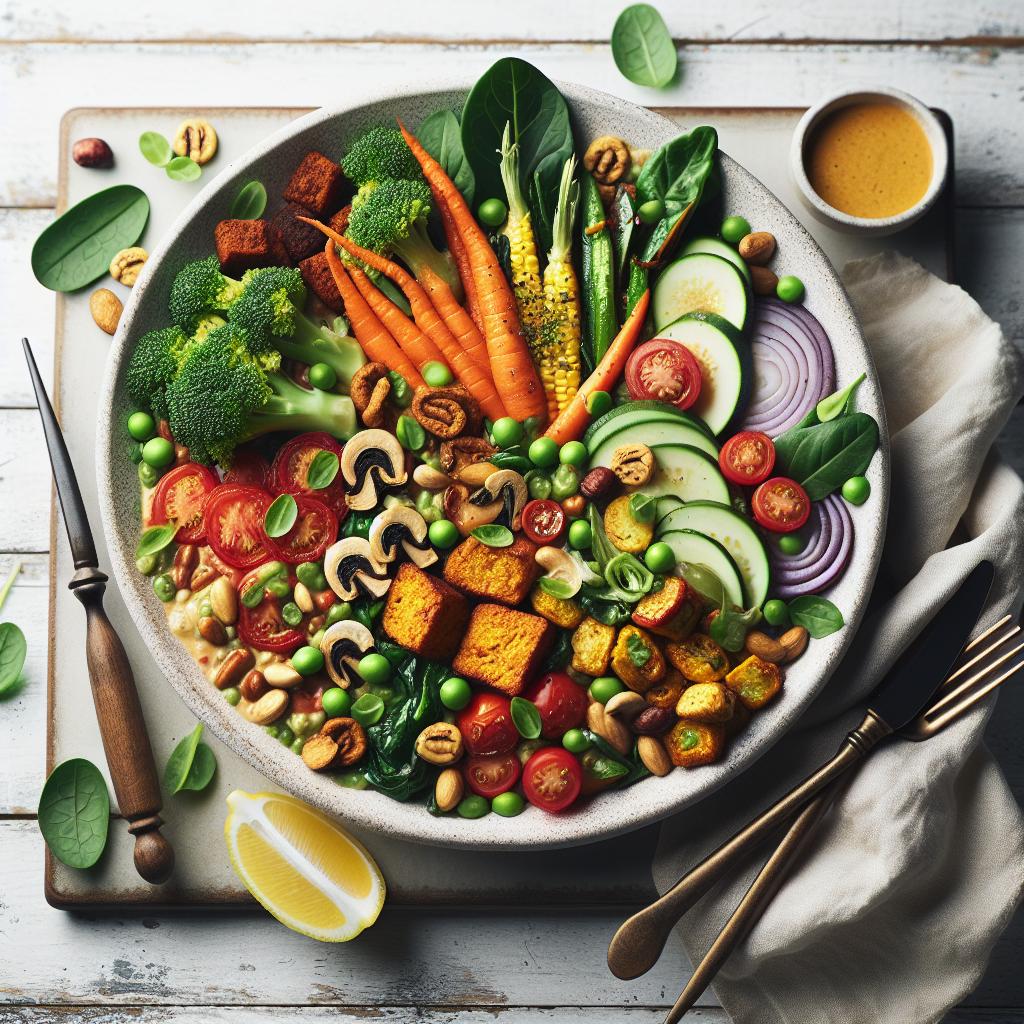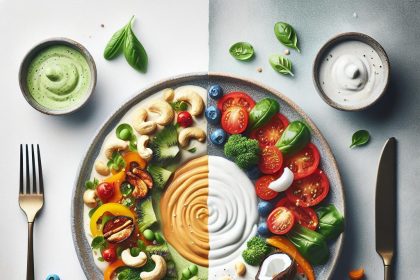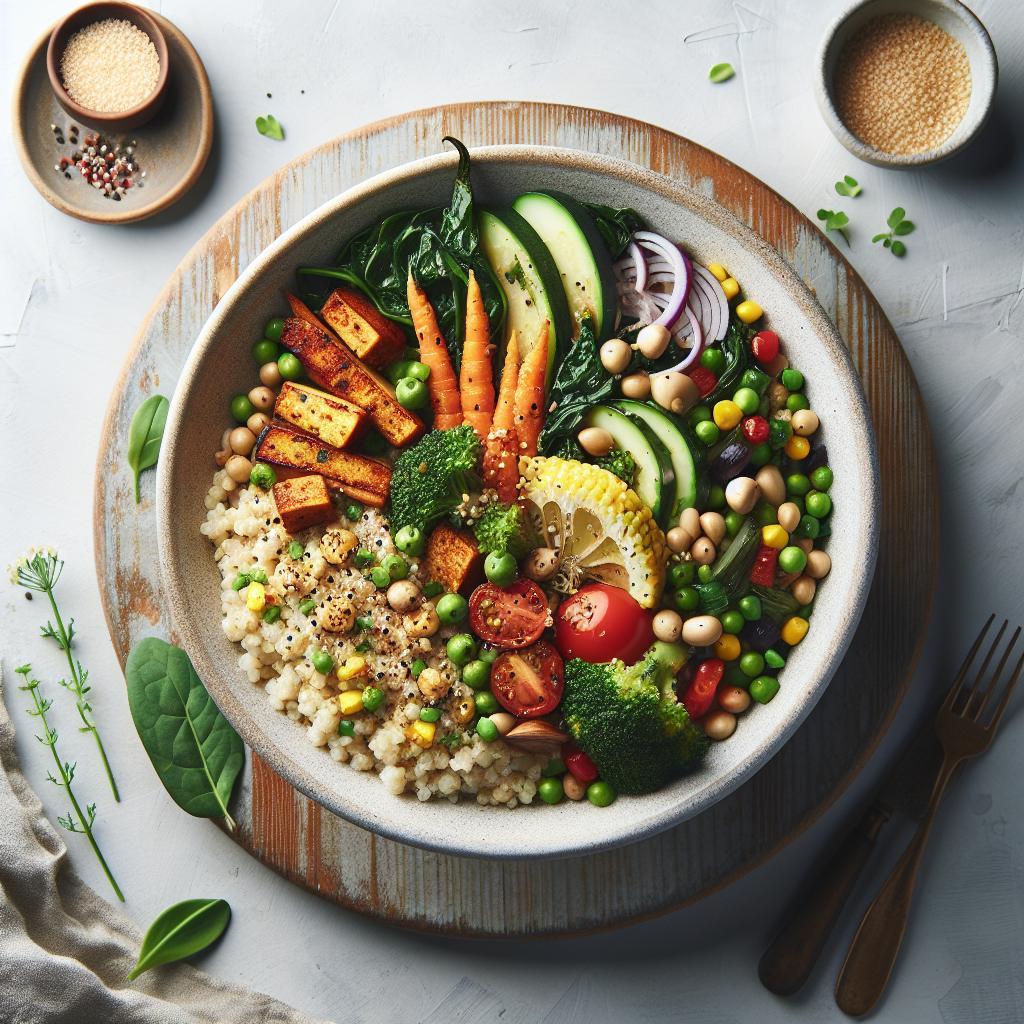

In the rich tapestry of Louisiana’s culinary heritage, two vibrant traditions stand out: Creole and Cajun cuisines. Both boast bold spices, soulful flavors, and a deep connection to the land and sea, painting a vivid picture of the region’s history and culture. But what happens when these age-old, meat- and seafood-heavy dishes embark on a plant-based journey? Enter the world of Creole vs. Cajun vegan cooking-a delightful exploration where tradition meets innovation, and every bite tells a story rooted in flavor, resilience, and creativity. Join us as we dive into the colorful palettes and fragrant aromas that define these iconic cuisines, reimagined through the vibrant lens of veganism.
Creole vs. Cajun Vegan: Exploring Flavorful Plant-Based Roots
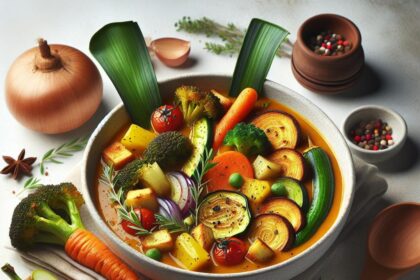
Embarking on a journey through Creole vs. Cajun vegan cuisine unlocks a vibrant tapestry of history, culture, and deeply satisfying flavors. This culinary exploration honors centuries-old traditions reimagined with plant-based ingredients, crafting soulful dishes like vegan gumbo and jambalaya that burst with umami and spice. Rooted in the bayous and bustling streets of Louisiana, these recipes capture the heart of a melting pot where French, African, Caribbean, and Native American influences meet, now with a compassionate, modern twist.
Prep and Cook Time
- Preparation: 20 minutes
- Cooking: 1 hour 15 minutes
- Total Time: 1 hour 35 minutes
Yield
Serves 6 generous portions
Difficulty Level
Medium – perfect for cooks ready to layer flavor and master traditional techniques with plant-based ingenuity.
Ingredients
- 1/2 cup vegetable oil
- 1/2 cup all-purpose flour
- 1 large yellow onion, finely chopped
- 1 green bell pepper, diced
- 3 celery stalks, chopped
- 4 cloves garlic, minced
- 2 cups okra, sliced (fresh or frozen)
- 1 (14 oz) can diced tomatoes, with juice
- 4 cups vegetable broth
- 1 (14 oz) can kidney beans, drained and rinsed
- 1 (14 oz) can black-eyed peas, drained and rinsed
- 1 cup brown rice, rinsed
- 2 tsp Creole seasoning (blend of paprika, cayenne, garlic powder, onion powder, thyme, oregano, black pepper)
- 1 tsp smoked paprika
- 1 tsp dried thyme
- 1/2 tsp cayenne pepper (adjust to heat preference)
- 2 bay leaves
- 1 tbsp soy sauce or tamari for umami depth
- 3 tbsp fresh parsley, chopped
- 2 tbsp green onions, sliced
- Salt and black pepper, to taste
Instructions
- Make the vegan roux: In a large heavy-bottomed pot, heat the vegetable oil over medium heat. Gradually whisk in the flour, cooking steadily and stirring continuously until the mixture transforms into a thick, nutty brown roux, about 15-20 minutes. Patience here results in the signature deep flavor base of Creole and Cajun dishes.
- Sauté the aromatics: Add the chopped onion, green bell pepper, and celery to the roux. Cook until softened and fragrant, about 7-10 minutes. Stir occasionally to prevent sticking.
- Add garlic and okra: Stir in the garlic and sliced okra, cooking until the okra softens and releases just enough mucilage to tenderize the dish, about 5 minutes.
- Introduce tomatoes and spices: Pour in the diced tomatoes with their juice, then add the Creole seasoning, smoked paprika, thyme, cayenne, bay leaves, and a pinch of salt and pepper. Stir well to combine and cook for 3 minutes to let the spices bloom.
- Pour in broth and simmer: Add the vegetable broth and soy sauce. Bring the mixture to a boil, then reduce to a gentle simmer for 20 minutes to marry the flavors. Stir occasionally.
- Add rice and beans: Stir in the rinsed brown rice, kidney beans, and black-eyed peas. Cover and simmer for an additional 35-40 minutes, or until the rice is tender and has absorbed the bold spices.
- Final adjustments: Remove bay leaves and taste for seasoning. Adjust salt, cayenne, or Creole seasoning as needed for that perfect heat and balance.
- Garnish and serve: Sprinkle fresh parsley and green onions across the vibrant vegan gumbo or jambalaya just before serving. This green pop of color brightens the dish while adding fresh aromatics.
Chef’s Notes: Tips for Success
- The roux is the soul of your dish-stir patiently and avoid high heat to prevent burning, which would add bitterness.
- If fresh okra is unavailable, frozen okra works well and offers convenience while maintaining authentic texture.
- For a smoky twist reminiscent of traditional Cajun smoked meats, add a drop or two of liquid smoke or smoked paprika.
- To reduce cooking time, opt for pre-cooked brown rice but hold off adding it until the very end to avoid mushiness.
- This recipe is excellent as leftovers; flavors deepen overnight and can be gently reheated with a splash of broth.
- Experiment with swapping beans for vegan sausage made from plant protein to highlight regional flavors.
Serving Suggestions
Present your Creole vs. Cajun vegan masterpiece over a steaming bowl of fluffy white rice or alongside buttery corn muffins. Offer hot sauce, fresh lemon wedges, and chopped scallions on the side to let each guest customize their experience. For a traditional accent, pair with tangy pickled okra or crisp vegan coleslaw. Visually, a sprinkle of vibrant green parsley or sliced red scallions on top creates a stunning contrast against the rich, dark roux-laden gumbo or jambalaya.
| Nutrient | Per Serving |
|---|---|
| Calories | 320 kcal |
| Protein | 12 g |
| Carbohydrates | 50 g |
| Fat | 7 g |
Discover more plant-based Southern recipes to deepen your appreciation for Creole and Cajun vegan cuisine. For an authoritative dive into regional spice blends and history, check out the comprehensive guide at National Geographic.

Q&A
Q&A: Creole vs. Cajun Vegan – Exploring Flavorful Plant-Based Roots
Q1: What are the fundamental differences between Creole and Cajun cuisines?
A: Creole cuisine thrives on a rich, city-born blend influenced by French, Spanish, African, and Caribbean cultures, often featuring tomatoes, fresh herbs, and a variety of spices. In contrast, Cajun cuisine hails from the rural bayous and is heartier and rustic, emphasizing smoky, spicy flavors with a heavy reliance on the “holy trinity” of bell peppers, onions, and celery. Both offer bold, soulful tastes but come from different cultural stories and ingredient palettes.
Q2: How can these traditionally meat-heavy cuisines be adapted into vegan dishes?
A: The magic lies in plant-based creativity and thoughtful seasoning. For Creole vegan dishes, ingredients like okra, tomatoes, eggplant, and plantains can mimic classic textures and flavors, while vegan sausages made of soy or seitan add savory depth. Cajun vegan cooking substitutes the iconic smoked meats with smoked paprika, liquid smoke, or smoked tofu, turning beans, mushrooms, and lentils into hearty mains. Both cuisines embrace robust spices, so the flavor remains vibrant even without animal products.
Q3: What flavors define Creole vegan cooking?
A: Creole vegan dishes burst with earthy garlic, bold thyme, smoky paprika, and a tangy hit of cayenne or hot sauce. They showcase rich tomato bases and savory vegetable stews often simmered slowly to deepen flavor. The Creole palette loves a balance of acidity, sweetness, and heat, making vegan jambalaya or red beans “pop” with layers of complex taste.
Q4: How does Cajun vegan food keep its signature punch without meat?
A: Cajun vegan cuisine leans heavily on spices like smoked paprika, cayenne, black pepper, and dried oregano to build that signature punch. The holy trinity veggies sautéed in vegan butter or oil create a fragrant foundation. Smoked vegan sausage alternatives or robust mushrooms replicate the meaty texture. Dishes like vegan étouffée or gumbo use okra and roux (flour cooked in oil) to thicken and carry bold flavors – delivering that comforting, smoky, spicy soul-food vibe.
Q5: Are there any particular plant-based ingredients that shine in both Creole and Cajun vegan recipes?
A: Absolutely! Ingredients like okra and bell peppers star prominently in both. Okra adds a unique texture and thickens stews, while bell peppers contribute sweetness and crunch. Tomatoes provide freshness and acidity, and greens such as kale or collards bring earthiness. Beans and lentils are common protein stand-ins, soaking up spices beautifully. Spices and seasonings themselves become the unsung heroes, infusing plant-based dishes with authentic regional flavor.
Q6: Why explore Creole and Cajun vegan cooking?
A: Exploring these plant-based adaptations offers a delicious journey into southern roots bursting with history and cultural fusion, without compromising on flavor or tradition. It’s a way to honor and innovate classic dishes, embracing sustainability, health, and ethical eating while celebrating bold, soulful tastes. Whether you’re vegan or simply curious, these cuisines show how tradition and creativity blend on a plate for a truly satisfying experience.
Q7: Where can one start when trying to cook Creole or Cajun vegan dishes at home?
A: Start small with familiar staples like vegan jambalaya or red beans and rice – dishes that rely on pantry favorites and bold seasoning. Invest in a good blend of Creole or Cajun spices or make your own mix to taste. Experiment with plant-based proteins like lentils, beans, or smoked tofu. Plenty of online recipes and vegan cookbooks now specialize in these regional flavors. Most importantly, embrace the soulful spirit and don’t be afraid to adjust heat and seasoning to your palate!
This Q&A helps unlock the world of Creole and Cajun vegan cooking – where fiery tradition meets vibrant plant-based innovation.
Insights and Conclusions
As we’ve journeyed through the vibrant world of Creole and Cajun vegan cuisine, it’s clear that these two culinary traditions offer more than just rich history-they serve a colorful tapestry of plant-based flavors that celebrate culture, community, and creativity. Whether you find yourself drawn to the bold, tomato-infused layers of Creole cooking or the smoky, spice-forward notes of Cajun fare, there’s a delicious vegan interpretation waiting to delight your palate. Embracing these roots in a plant-based way not only honors their deep Southern heritage but also invites us to explore new, sustainable avenues of flavor. So next time you’re craving a soulful meal, remember: Creole and Cajun vegan dishes are more than alternatives-they’re vibrant stories told through the art of plants.