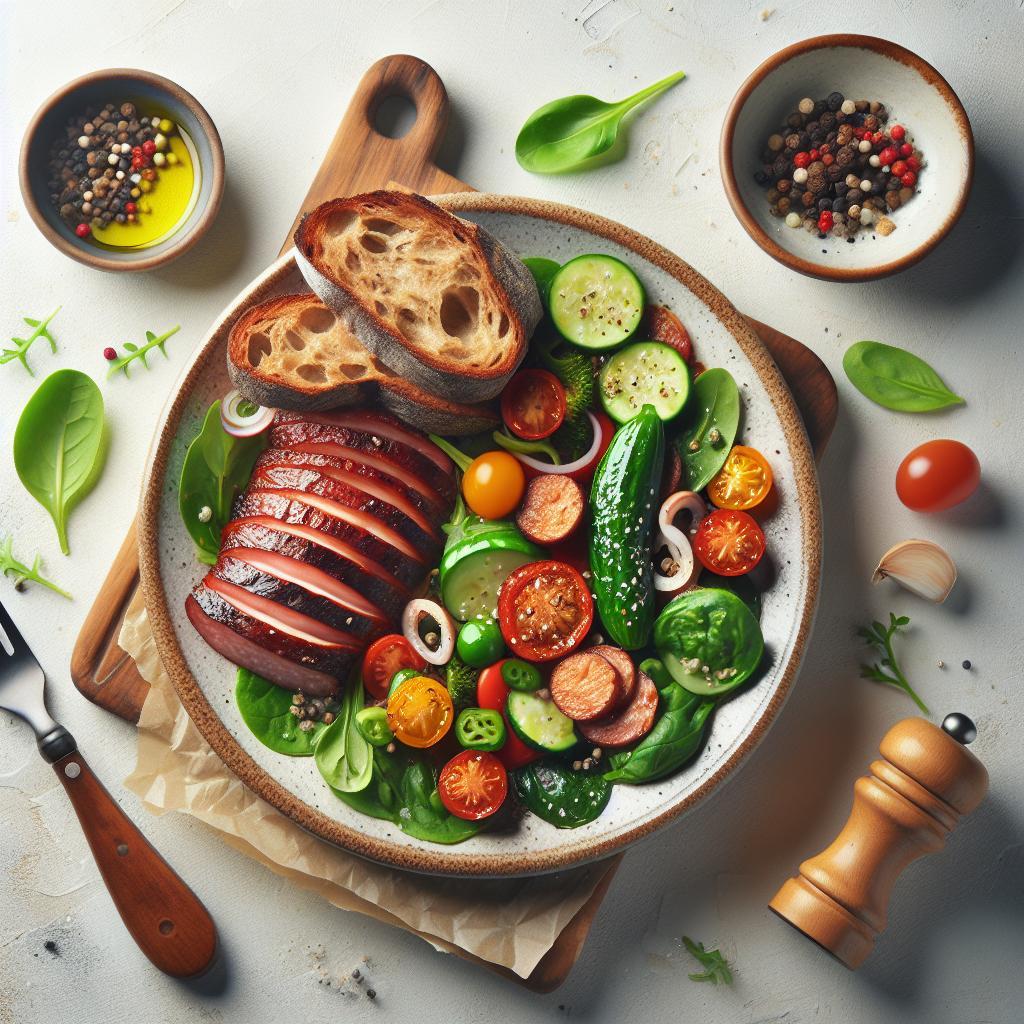

In the ever-changing rhythm of modern life, our relationship with food often mirrors the unpredictability of our days. Enter flexible meal planning-a culinary approach that embraces adaptability without sacrificing nourishment or enjoyment. Imagine a framework where menus sway with your whims, schedules, and pantry contents, transforming the chore of meal prep into an artful dance of choice and creativity. This article delves into the empowering world of adaptable eating choices, revealing how flexibility in meal planning not only reduces stress but also fosters a sustainable, joyful connection with the food we eat. Welcome to a new era of dining-where plans flex, flavors flourish, and your lifestyle leads the way.
Flexible Meal Planning empowers you to create nourishing, vibrant plates by embracing nutritional balance, seasonal ingredients, and lifestyle adaptability – all essential for crafting dynamic menus that excite both palate and pantry. This approach transforms weeknight dinners and weekend feasts alike, making your meal rotation not only sustainable but delightful.
Prep and Cook Time
Prep: 20 minutes | Cook: 35 minutes | Total Time: 55 minutes
Yield
Serves 4 generously
Difficulty Level
Medium – approachable yet customizable for varied skill levels
Ingredients
- 2 cups mixed seasonal vegetables (such as butternut squash, kale, and cherry tomatoes), chopped
- 1 cup locally sourced quinoa, rinsed
- 1 medium sweet potato, peeled and diced
- 1 can (15 oz) chickpeas, drained and rinsed
- 2 tbsp extra virgin olive oil
- 1 tsp smoked paprika
- 1 tsp ground cumin
- Salt and black pepper, to taste
- 1/4 cup fresh parsley, finely chopped
- Juice of 1 lemon
- 2 cloves garlic, minced
- 1/4 cup crumbled feta cheese (optional)
- Handful of toasted pumpkin seeds for garnish
Instructions
- Preheat your oven to 400°F (200°C). Toss the diced sweet potato and seasonal vegetables with 1 tablespoon of olive oil, smoked paprika, ground cumin, salt, and black pepper. Spread evenly on a baking sheet.
- Roast the vegetables in the oven for 25-30 minutes, until tender and slightly caramelized-stirring halfway through to encourage even cooking.
- While the vegetables roast, cook the quinoa. Bring 2 cups of water to a boil in a saucepan. Add quinoa and a pinch of salt, reduce heat, cover, and simmer for 15 minutes until water is absorbed and quinoa is fluffy. Remove from heat and let it rest covered.
- In a sauté pan, heat the remaining 1 tablespoon of olive oil over medium heat. Add minced garlic and chickpeas; sauté for 5 minutes until the garlic is aromatic and the chickpeas begin to turn golden.
- Combine the roasted vegetables, sautéed chickpeas, and cooked quinoa in a large bowl. Add lemon juice and chopped parsley; toss gently to incorporate all flavors evenly.
- Adjust seasoning as needed with additional salt, pepper, or lemon juice.
- Serve warm, sprinkled with crumbled feta cheese (if using) and toasted pumpkin seeds for added texture and flavor.
Chef’s Notes
- For a plant-based option, simply omit the feta cheese or substitute it with a vegan cheese alternative.
- Swap quinoa with other whole grains like farro or brown rice for a different texture and nutritional profile.
- Utilize any local, seasonal produce available-think roasted beets in winter or fresh zucchinis in summer-to keep menus fresh and environmentally friendly.
- The roasted veggie and grain bowl can be prepared in bulk and stored in airtight containers for up to 4 days, making it an excellent candidate for flexible meal planning.
- If you enjoy a bit of heat, add a pinch of red chili flakes during the sauté step for a subtle kick.
Serving Suggestions
Present this colorful bowl in vibrant ceramic dishes to accentuate the golden hues of roasted sweet potatoes and the deep green of kale. Garnish each portion with an extra sprinkle of fresh parsley and a wedge of lemon on the side for an extra zesty finish. Pair this dish with a crisp, chilled white wine or sparkling water infused with cucumber slices to enhance its seasonal freshness.
| Nutrient | Per Serving |
|---|---|
| Calories | 380 kcal |
| Protein | 14 g |
| Carbohydrates | 50 g |
| Fat | 12 g |

Embracing Flexible Meal Planning means leaning into an ever-evolving array of vibrant, nutritious meals that celebrate the bounty of each season while adapting to your unique lifestyle. For more inspiration on adaptable recipes, check out our seasonal recipe collection. To understand the impact of local sourcing on nutrition and ecology, visit Slow Food International.
Q&A
Q&A: Flexible Meal Planning – The Art of Adaptable Eating Choices
Q1: What exactly is flexible meal planning?
A1: Think of flexible meal planning as a culinary jazz session-it’s all about improvisation within a rhythm. Instead of rigid meal schedules and fixed menus, it’s an approach that allows you to adjust your meals based on mood, availability, time, and nutrition needs, creating harmony between structure and spontaneity.
Q2: How does flexible meal planning differ from traditional meal planning?
A2: Traditional meal planning often involves setting a strict menu weeks in advance, whereas flexible meal planning is more like a day-to-day dance. It encourages you to swap ingredients, switch meals, and adapt recipes on the fly, valuing practicality over perfection without sacrificing health or taste.
Q3: Why should someone consider adopting flexible meal planning?
A3: Life is unpredictable, and so is your appetite. Flexible meal planning reduces stress, minimizes food waste, and keeps your palate intrigued. It empowers you to make nutritious choices even on hectic days, turning the usual “what’s for dinner?” dilemma into a playground of delicious possibilities.
Q4: Can flexible meal planning support specific dietary goals, such as weight loss or muscle gain?
A4: Absolutely! Flexible meal planning doesn’t mean throwing goals out the window; it’s like customizing a suit instead of buying off the rack. By building adaptable meal frameworks around your nutritional needs, you can maintain balance and achieve your objectives without feeling restricted.
Q5: What are some practical tips to start practicing flexible meal planning?
A5: Start by creating a foundation of favorite staples-think versatile proteins, grains, and veggies. Plan loosely around these staples, leaving room to mix and match. Keep quick recipes handy, use seasonal and local produce, and allow yourself treats. Flexibility thrives on preparation and ease.
Q6: How can flexible meal planning help with budgeting and reducing food waste?
A6: Since you’re not locked into rigid recipes, you can shop smart-buy in-season, grab specials, and use what’s already in your pantry. This adaptive approach means fewer impulse purchases and more efficient use of ingredients, turning your kitchen into a zero-waste zone and your wallet into a happy wallet.
Q7: Is flexible meal planning suitable for families or just for individuals?
A7: It suits anyone hungry for variety and ease! Families can benefit especially by involving everyone in meal choices, making dining a collaborative and creative experience. Flexible meal planning can accommodate diverse tastes and schedules, turning shared mealtime into quality time.
Q8: How does flexible meal planning affect your relationship with food?
A8: It transforms eating from a source of stress into an act of joyful nourishment. By embracing adaptability, you foster a positive, intuitive connection with your body’s needs, reducing guilt and enhancing satisfaction. Every meal becomes an opportunity to listen, learn, and delight.
Q9: Can flexible meal planning coexist with meal prepping?
A9: Definitely! Flexible meal planning and meal prepping are like dance partners. Meal prepping your staple ingredients or components gives you a ready-to-go palette, while flexibility allows you to remix those elements into fresh, exciting dishes throughout the week.
Q10: Where can I find inspiration and resources to develop my own flexible meal plans?
A10: Tap into cookbooks that emphasize swaps and substitutions, follow blogs or social media accounts dedicated to adaptable cooking, and join online communities focused on intuitive eating. Inspiration is everywhere-it’s just a matter of opening your fridge and your mind.
To Wrap It Up
In a world where schedules shift and cravings evolve, flexible meal planning emerges as more than just a strategy-it becomes an art form. By embracing adaptability, you’re not only nourishing your body but also honoring the ebb and flow of life itself. With every mindful swap and spontaneous ingredient, you craft a dining experience that is uniquely yours, resilient against the unexpected and tuned to your changing needs. So, let your kitchen be a playground of possibilities, where the art of adaptable eating choices transforms routine into a flavorful journey of discovery and well-being.