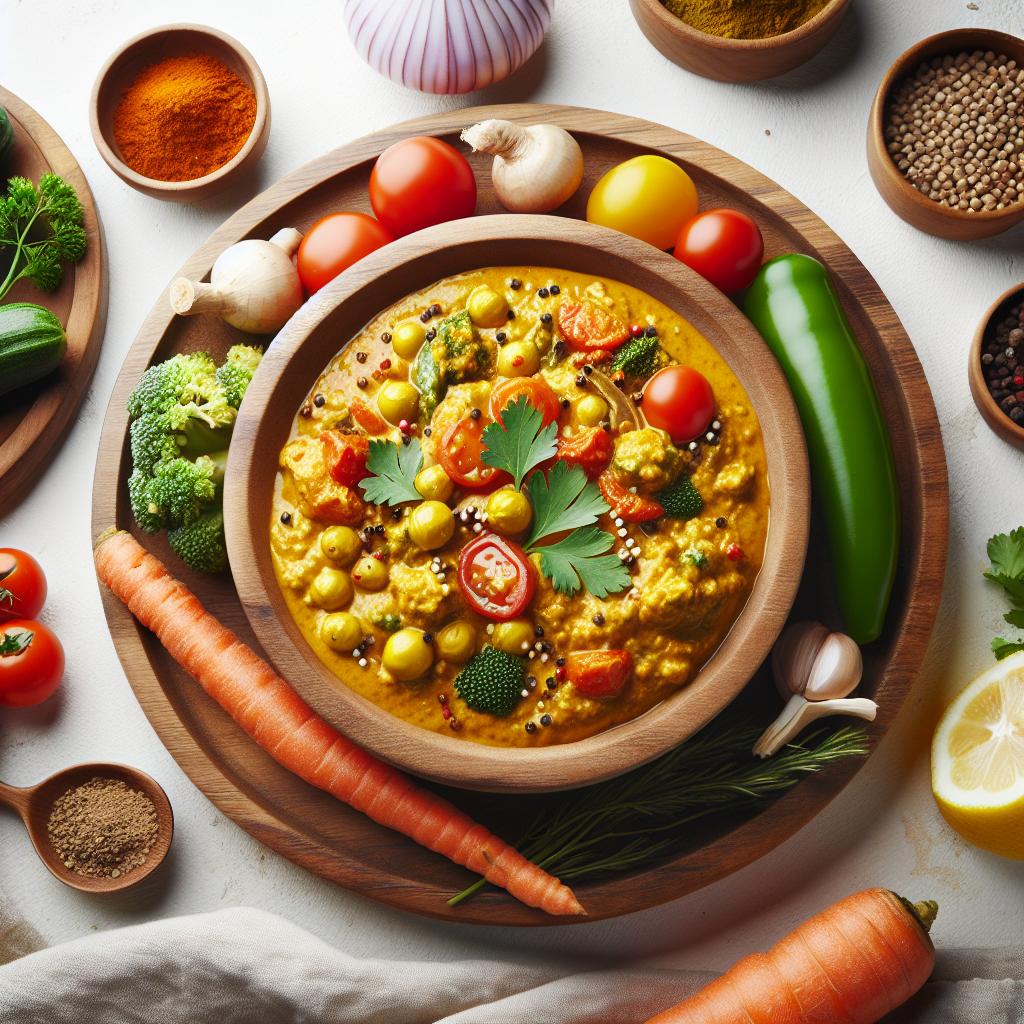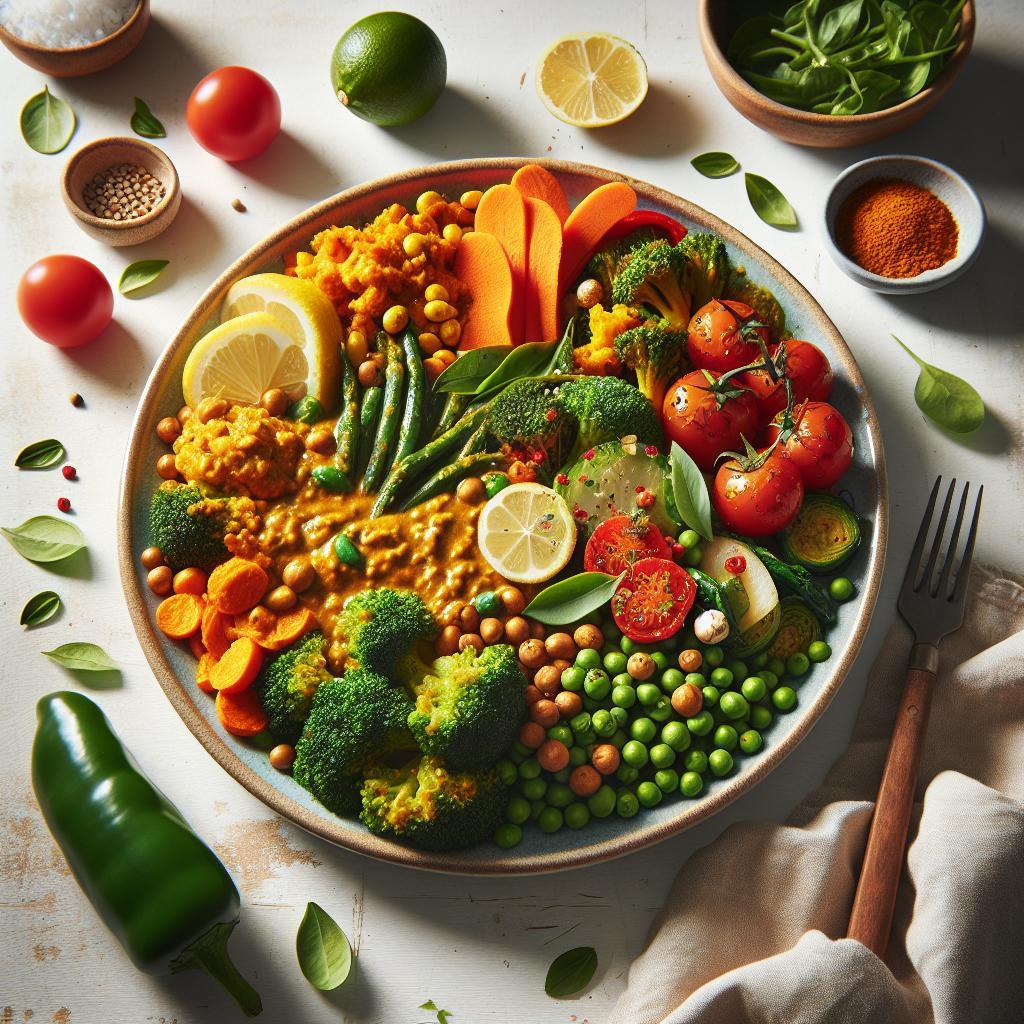

In the vibrant world of culinary exploration, few experiences rival the irresistible allure of a perfectly spiced curry. At the heart of this sensory delight lies the magic of curry paste-a blend of bold, aromatic ingredients that transform simple dishes into mouthwatering masterpieces. But what if you told yourself that crafting this cornerstone of flavor doesn’t require a store-bought shortcut? Welcome to “Crafting Flavor: Your Guide to Homemade Vegan Curry Paste,” where tradition meets creativity in the kitchen. This guide will unravel the secrets to blending fresh herbs, spices, and wholesome ingredients into a versatile paste that’s as kind to the planet as it is to your palate. Prepare to embark on a fragrant journey that elevates your cooking and redefines what it means to savor every bite.
Selecting Authentic Ingredients for Rich and Vibrant Flavors
Crafting Flavor: Your Guide to Homemade Vegan Curry Paste begins with sourcing vibrant, authentic ingredients that breathe life into every bite. Choosing fresh herbs, whole spices, and quality produce sets the foundation for rich, layered curry paste that awakens your palate.
Start with fresh galangal and lemongrass stalks, which bring bright citrusy notes essential to authentic curry flavor. Opt for organic chilies-such as dried Kashmiri or Thai red chilies-to control heat while imparting beautiful red hues without overpowering the dish. Whole spices like coriander seeds, cumin, and black peppercorns ground fresh will release their aromatic oils, crafting complexity that pre-ground powders cannot match. Don’t overlook fresh garlic and shallots, which create a savory backbone.
Mastering Traditional Techniques to Elevate Your Curry Paste
The art of making curry paste lies in technique as much as ingredients. Traditionally, pounding the ingredients with a mortar and pestle gently bruises the spices and herbs, releasing their essential oils more effectively than mechanical blending, which can sometimes generate heat and dull flavor. If using a food processor, pulse to maintain texture and avoid overheating.
Dry-roasting whole spices before grinding enhances their fragrance and depth-toast them until golden and fragrant to amplify your paste’s complexity. Simmering the paste in a little oil for a few minutes after blending helps develop richer aromas, caramelizing natural sugars and balancing sharpness.
Balancing Heat and Aroma with Fresh Herbs and Spices
Balancing the fiery kick of chilies with the fresh brightness of herbs is key to a harmonious curry paste. Incorporate fresh cilantro roots (a secret for authentic depth), kaffir lime zest, and Thai basil for layered aroma. Temper the heat by adding sweet paprika or a pinch of sugar if needed. A squeeze of lime juice during cooking can brighten flavors further, achieving that perfect interplay of heat, zest, and earthiness.
Storing and Customizing Your Curry Paste for Culinary Creativity
Once prepared, your homemade vegan curry paste can be refrigerated for up to two weeks or frozen in ice cube trays for convenient portions ready to elevate any dish. Customize by adjusting spice levels-add more fresh chilies for extra heat or a spoonful of tamarind paste for tang. This paste isn’t just for curries; stir it into soups, marinades, or roasted vegetables for a burst of umami and heat.
Prep and Cook Time
- Prep Time: 20 minutes
- Cook Time: 10 minutes
Yield
Approximately 1 cup of curry paste (enough for 4-6 servings)
Difficulty Level
Medium – requires some handling of spices and mortar and pestle technique
Ingredients
- 2 tablespoons dried red chilies, seeds removed for mild heat
- 1 tablespoon coriander seeds
- 1 teaspoon cumin seeds
- 1 teaspoon black peppercorns
- 1 stalk fresh lemongrass, white part finely sliced
- 1-inch piece galangal, peeled and chopped
- 3 shallots, peeled and chopped
- 4 garlic cloves, peeled
- 2 teaspoons shrimp-free tamarind paste
- 1 teaspoon ground turmeric
- 1 kaffir lime zest (or 1 teaspoon lime zest)
- 1 handful fresh cilantro roots (washed thoroughly)
- 1 tablespoon vegetable oil
- 1 teaspoon sea salt
Instructions
- Prepare the spices: Toast dried red chilies, coriander seeds, cumin seeds, and black peppercorns in a dry skillet over medium heat. Stir continuously for 2-3 minutes until fragrant. Remove and grind to a fine powder using a mortar and pestle or spice grinder.
- Soak chilies: Soak toasted chilies in warm water for 10 minutes to soften, then drain.
- Prepare the fresh ingredients: Chop lemongrass, galangal, shallots, garlic, cilantro roots, and kaffir lime zest finely to make grinding easier.
- Make the paste: In a mortar and pestle, pound soaked chilies with salt until smooth. Gradually add chopped fresh ingredients and ground spices in stages, grinding until you achieve a thick, cohesive paste. For a shortcut, pulse carefully in a food processor, avoiding overheating.
- Cook the curry paste: Heat vegetable oil in a pan over medium heat. Add the curry paste and sauté for 5-7 minutes, stirring regularly until fragrant and slightly caramelized. This step deepens flavor and mellows raw harshness.
- Finish with tamarind paste: Stir tamarind paste into the cooked curry paste. Adjust salt to taste.
- Cool and store: Let the paste cool to room temperature. Transfer to an airtight container. Refrigerate for up to two weeks or freeze in ice cube trays for longer storage.
Chef’s Notes
- Use fresh cilantro roots or substitute with fresh cilantro stalks if unavailable, but roots add a unique earthiness.
- Adjust chili quantity according to heat preference; remove seeds to reduce spiciness.
- For a smoother paste, pound longer or blend but be mindful not to over-process.
- Tamarind paste can be omitted or replaced with lemon juice for a different tang.
- Freeze portions in silicone trays for easy curry preparation anytime.
Serving Suggestions
Use your vibrant curry paste as the base for luscious vegan curries by simmering with coconut milk and your choice of vegetables or tofu. Garnish dishes with freshly chopped cilantro, a drizzle of coconut cream, and a wedge of lime to brighten flavors. It also shines when added to roasted vegetable marinades or as a spice enhancer in grain bowls for a punch of umami and heat.

| Nutrition per 1 tbsp | Calories | Protein | Carbs | Fat |
|---|---|---|---|---|
| Vegan Curry Paste | 25 kcal | 0.8 g | 3 g | 0.5 g |
For more inspiration on plant-powered cooking, check our Plant-Based Recipes collection. Learn about the health benefits of spices at NCBI’s spice research.
Q&A
Q&A: Crafting Flavor – Your Guide to Homemade Vegan Curry Paste
Q1: Why make your own vegan curry paste instead of buying pre-made options?
A: Making your own curry paste is like painting on a blank canvas-you control every hue of flavor and every nuance of heat. Store-bought pastes often contain preservatives, additives, or even hidden animal products. Crafting your own vegan curry paste ensures freshness, purity, and a personalized blend that dances perfectly with your dish.
Q2: What are the essential ingredients in a traditional vegan curry paste?
A: At the heart of vegan curry paste lies a medley of fragrant aromatics: fresh ginger, garlic, and lemongrass create an invigorating base. Dried or fresh chilies bring the fire, while spices like coriander seeds, cumin, turmeric, and kaffir lime zest layer complexity. The magic comes alive when these ingredients are pounded or blended together into a smooth, vibrant paste.
Q3: How do I know which chilies to use for the right heat level?
A: Chilies are your paintbrush for intensity. Mild tongues might opt for sweet red chilies, which lend color and subtle warmth. For a bolder stroke, dried Thai red chilies offer a fiery punch. Remember, the heat can always be adjusted-start conservatively, taste, and add more if you crave that zing.
Q4: What’s the best technique for grinding or blending curry paste ingredients?
A: Traditionally, a mortar and pestle is the artist’s choice, slowly grinding spices and herbs to release essential oils and achieve an authentic texture. However, a high-powered blender or food processor is a modern shortcut that still yields wonderful results. Just pulse gently to avoid overheating, which can dull flavors.
Q5: Can I customize my curry paste to different cuisines or flavor preferences?
A: Absolutely! Think of curry paste as a flavor palette. For a Thai twist, add galangal and kaffir lime leaves. Indian-style pastes often feature fenugreek and mustard seeds. Want smoky warmth? Introduce roasted cumin or smoked paprika. The sky’s the limit-explore your pantry and taste buds!
Q6: How should homemade vegan curry paste be stored for maximum freshness?
A: Stored in an airtight jar, homemade paste keeps beautifully in the fridge for up to two weeks. To extend its life, freeze portions in ice cube trays-perfect single servings that thaw quickly when curry cravings strike.
Q7: What dishes shine brightest with homemade vegan curry paste?
A: The vibrant paste is a chameleon-stir it into coconut milk for a luscious curry broth, blend with sautéed vegetables for a flavorful stir-fry, or even use as a marinade for tofu or tempeh. From hearty stews to vibrant noodle bowls, your homemade paste is the secret star.
Q8: Any tips for novice cooks tackling homemade curry paste for the first time?
A: Start simple and savor the process. Fresh is best, but dried spices are your trusty allies. Don’t rush the grinding-let aromas awaken gradually. Taste as you go, and remember that curry paste should be bold-it’s designed to flavor, not be eaten solo. Most importantly, have fun crafting your personalized flavor adventure!
In Summary
As the last spoonful of your vibrant vegan curry simmers to perfection, take a moment to savor not just the flavors, but the journey you’ve embarked upon-from humble spices to a richly layered paste crafted with your own hands. Homemade vegan curry paste isn’t just an ingredient; it’s a testament to creativity, freshness, and mindful cooking. With this guide in your culinary toolkit, you’re equipped to explore endless combinations, tailor-made to your taste and spirit. So go ahead-experiment boldly, blend lovingly, and let every dish be a celebration of flavor crafted by you. Your kitchen is now a sanctuary of spice, and every curry a story waiting to be told.