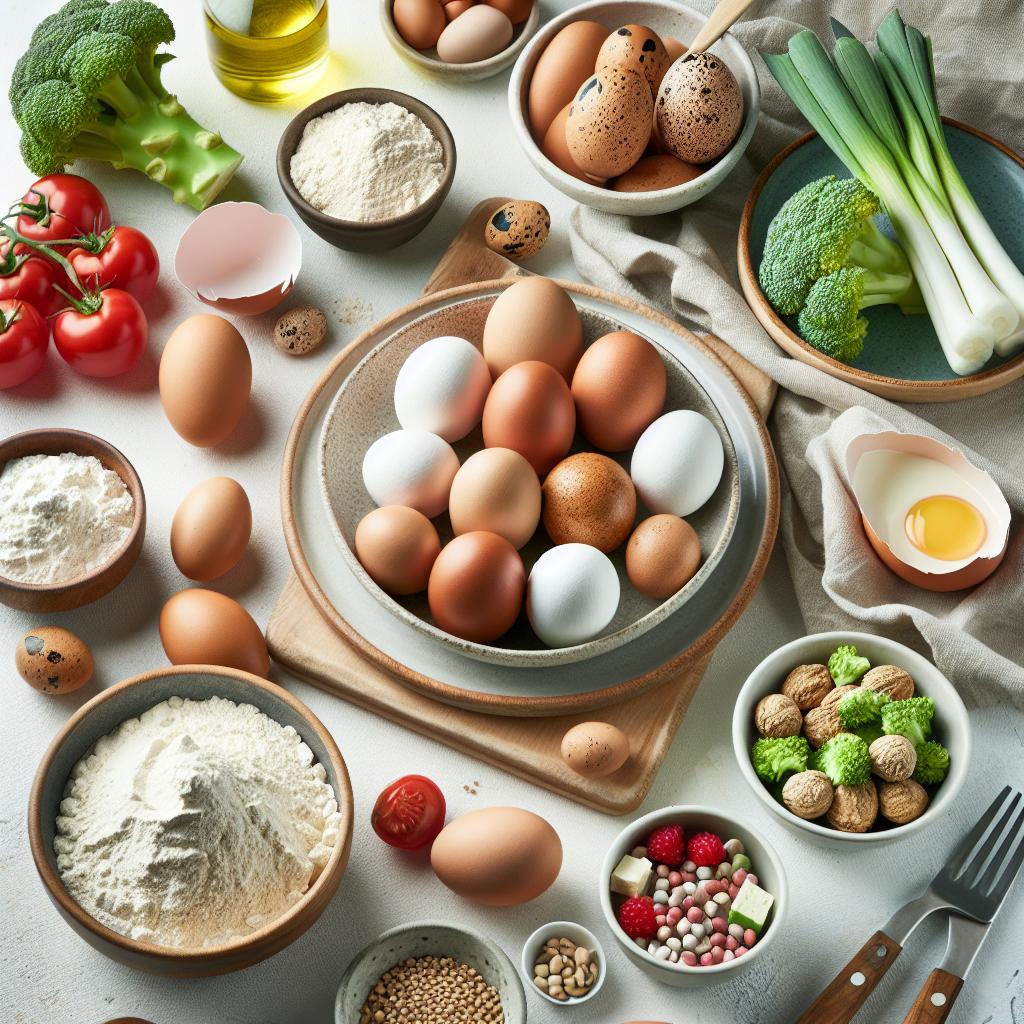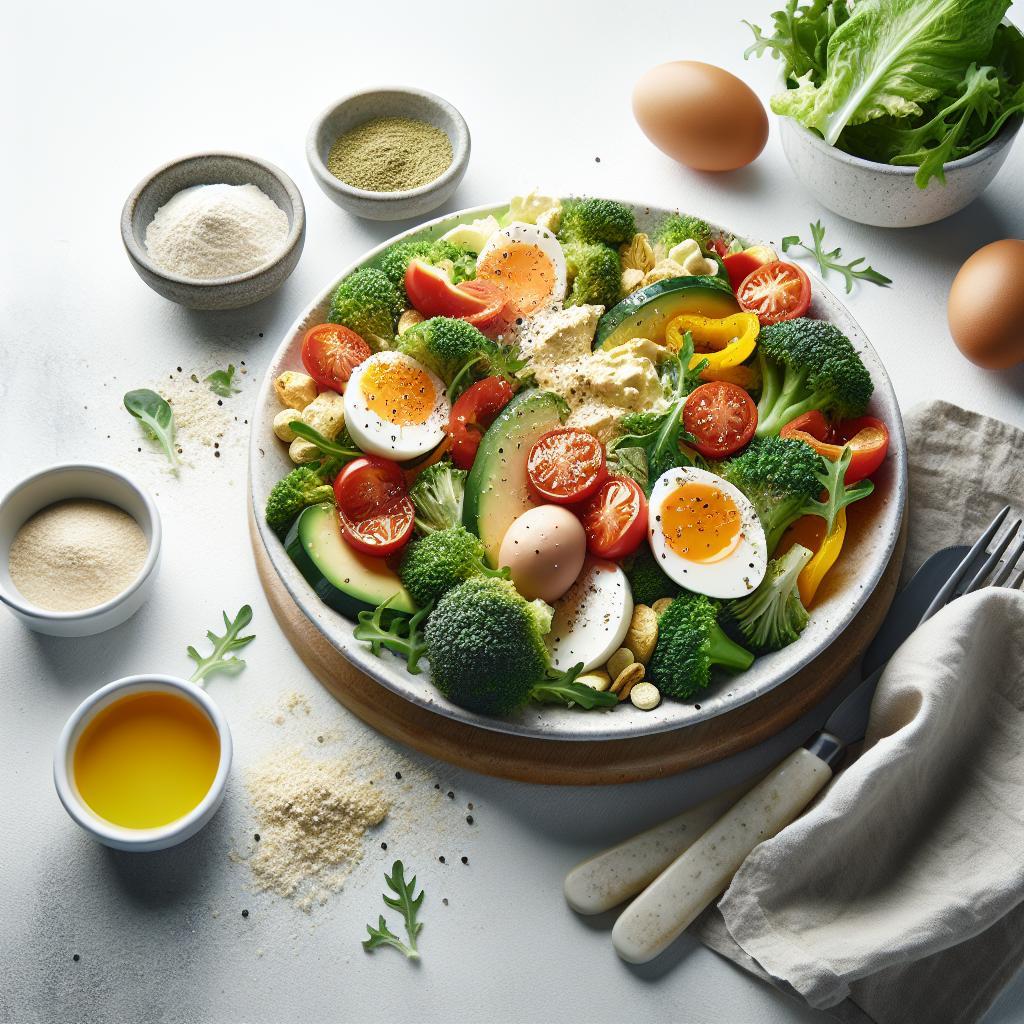
In the world of baking and cooking, eggs have long held the throne as the indispensable ingredient-binding, leavening, and enriching countless recipes. But what happens when dietary needs or lifestyle choices call for a switch? Especially for those navigating the gluten-free path, finding the perfect egg substitute isn’t just about swapping one ingredient for another; it’s about cracking a complex code. Welcome to a journey where science meets creativity, and simple pantry staples transform into magical gluten-free egg alternatives. Dive in as we unravel the best gluten-free egg substitutes that promise to keep your dishes delicious, textures flawless, and your kitchen experiments delightfully successful.
Understanding the Science Behind Egg Substitutes in Gluten-Free Baking
Crack the Code: Best Gluten-Free Egg Substitutes Explained opens a doorway to mastering texture, moisture, and flavor replacements essential for impeccable gluten-free baking. Eggs play a pivotal role as binders, leavening agents, and moisture enhancers, which means that choosing the right substitute can make or break your creation. Whether you’re crafting fluffy cakes or chewy cookies, understanding how natural and processed egg alternatives interact chemically with your other ingredients is key to recreating that elusive perfect crumb and structure.
Prep and Cook Time
- Prep Time: 10 minutes
- Cook/Bake Time: Varies by recipe (typically 15-45 minutes)
Yield
Varies depending on recipe size; designed for standard 8-12 servings of baked goods
Difficulty Level
Medium – Requires understanding ingredient substitutions and mixing techniques
Ingredients
- Flaxseed Egg: 1 tbsp ground flaxseed + 3 tbsp water (let sit 5 min until gelled)
- Chia Seed Egg: 1 tbsp ground chia seeds + 3 tbsp water (let sit 10 min)
- Applesauce: 1/4 cup unsweetened
- Mashed Banana: 1/4 cup ripe banana
- Commercial Egg Replacer: 1.5 tsp mixed with 2 tbsp water (see package instructions)
- Silken Tofu: 1/4 cup, pureed until smooth
- Carbonated Water: 1/4 cup (for extra lift in cakes)
Instructions
- Choose Your Substitute Based on Recipe Type: For dense baked goods like brownies or muffins, a flaxseed or chia seed egg provides excellent binding and moisture. Use applesauce or mashed banana for added natural sweetness and tenderness in cakes and quick breads.
- Prepare the Substitute: Combine flaxseed or chia seed with cold water, allowing it to thicken into a gel-like consistency. For tofu, blend until creamy and uniform. Follow package directions exactly for commercial egg replacers.
- Incorporate Slowly: Add your egg substitute to wet ingredients, making sure to mix fully before combining with dry components. This ensures even distribution and prevents clumping.
- Adjust Liquid Amounts: Some substitutes (like applesauce) add moisture-reduce other liquids by roughly 1/4 cup per egg replaced to maintain batter structure.
- Mix Batter Gently: Over-mixing can break delicate plant-based gels. Stir until just combined for tender crumb texture.
- Bake at Recommended Temperature: Most gluten-free doughs benefit from standard baking temperatures, but monitor closely to avoid over-browning, especially with fruit-based egg substitutes which caramelize faster.
Chef’s Notes and Tips for Success
- Texture & Flavor Matching: Use banana or applesauce for sweet baked items to naturally enhance flavor, but avoid these in savory breads to keep taste clean.
- Leavening Boost: When baking fluffy cakes, combine commercial replacers with a little carbonated water or baking soda to mimic egg lift.
- Make-Ahead Substitute Mix: Prepare flax or chia eggs in advance and store in the fridge for up to 24 hours for evening out baking tasks.
- Troubleshooting: If your gluten-free pastry feels crumbly or dry, increase moisture slightly and double-check your substitute quantity adherence.
- Cross-Linking Technique: When working with tofu, adding a teaspoon of lemon juice can help protein coagulation and improve rise.
Serving Suggestions
Present your gluten-free creations with seasonal fresh fruits or a dusting of powdered sugar to complement the subtleties of your chosen egg substitute. Drizzle with a vibrant berry coulis or a smooth tahini glaze for added depth. For a touch of elegance, sprinkle chopped nuts or edible flowers atop cookies or muffins, providing both color and texture contrast.
| Egg Substitute | Best for | Substitution Ratio | Flavor Impact |
|---|---|---|---|
| Flaxseed Egg | Muffins, pancakes, cookies | 1 tbsp flaxseed + 3 tbsp water = 1 egg | Nutty, earthy |
| Applesauce | Cakes, quick breads | 1/4 cup = 1 egg | Slightly sweet, fruity |
| Silken Tofu | Brownies, dense cakes | 1/4 cup pureed = 1 egg | Neutral |
| Commercial Egg Replacer | Most baked goods | According to package | Neutral |
For more expert tips on gluten-free baking techniques and in-depth ingredient guides, visit our comprehensive gluten-free baking resource. Expand your knowledge with research-backed insights from ScienceDirect to truly Crack the Code: Best Gluten-Free Egg Substitutes Explained.

Q&A
Q&A: Crack the Code – Best Gluten-Free Egg Substitutes Explained
Q1: Why would I need an egg substitute in gluten-free cooking?
A: Great question! While eggs themselves don’t contain gluten, many gluten-free bakers swap them out because eggs can sometimes create texture or binding issues with gluten-free flours. Also, some people have allergies or prefer plant-based options, making egg substitutes a versatile must-have in the gluten-free kitchen.
Q2: What makes a good gluten-free egg substitute?
A: The magic lies in mimicking eggs’ unique roles – binding, moisture, and leavening. A good substitute should hold ingredients together, add moisture without gluten’s elasticity, and ideally help your baked goods rise beautifully. Different recipes might need different types of substitutes, so knowing the science behind each is key.
Q3: Which gluten-free egg substitutes are the best all-rounders?
A: Flaxseed and chia seeds reign supreme as gluten-free powerhouse substitutes. When ground and mixed with water, they create a gel-like texture that binds ingredients sturdily. Applesauce and mashed bananas also add moisture and a mild sweetness, perfect for cakes and muffins. For rising power, baking soda combined with vinegar is a clever plant-based option.
Q4: Can I use commercial egg replacers? Are they gluten-free?
A: Absolutely! Many commercial egg replacers are designed gluten-free, made from starches, leavening agents, and sometimes plant proteins. Brands like Ener-G and Bob’s Red Mill offer reliable, easy-to-use packets that work well in various recipes. Just double-check labeling to be certain.
Q5: How do I choose the right substitute for my recipe?
A: Think of your recipe like a puzzle. Need moisture and binding for brownies? Go with flaxseed or applesauce. Want fluffiness in your gluten-free pancakes? Try a mix of baking powder and vinegar or a commercial replacer. For savory dishes, flax or chia gels are neutral and won’t overpower flavors. Experimentation is the spice of gluten-free life!
Q6: Are there any egg substitutes I should avoid on a gluten-free diet?
A: Definitely steer clear of substitutes containing wheat gluten or barley malt, which sneak gluten into your dish. Also, watch for some commercial mixes that may cross-contaminate. Sticking to natural ingredients like seeds, fruits, and verified gluten-free products ensures you stay on the safe side.
Q7: Any pro tips for nailing gluten-free baking with egg substitutes?
A: Yes! Always mix your egg substitute thoroughly and let it sit a few minutes to thicken before adding. Measure carefully – too much or too little can alter texture. And remember, gluten-free flours behave differently, so pairing your egg substitute with the right flour blend makes all the difference.
Crack the code, embrace the possibilities
Substituting eggs in gluten-free recipes is an art that opens creative doors for all types of eaters. Whether you’re baking a moist banana bread or fluffy pancakes, the right egg substitute makes you master of your gluten-free domain!
Concluding Remarks
Cracking the code on gluten-free egg substitutes opens up a world of culinary possibilities, proving that baking and cooking without eggs is not just possible, but deliciously rewarding. Whether you’re navigating allergies, dietary choices, or simply experimenting in the kitchen, these versatile alternatives empower you to create fluffy cakes, hearty breads, and savory dishes with confidence and ease. So next time a recipe calls for eggs, remember: the perfect substitute is just a whisk away-ready to transform your gluten-free creations from tentative trials into tasty triumphs. Happy cooking!