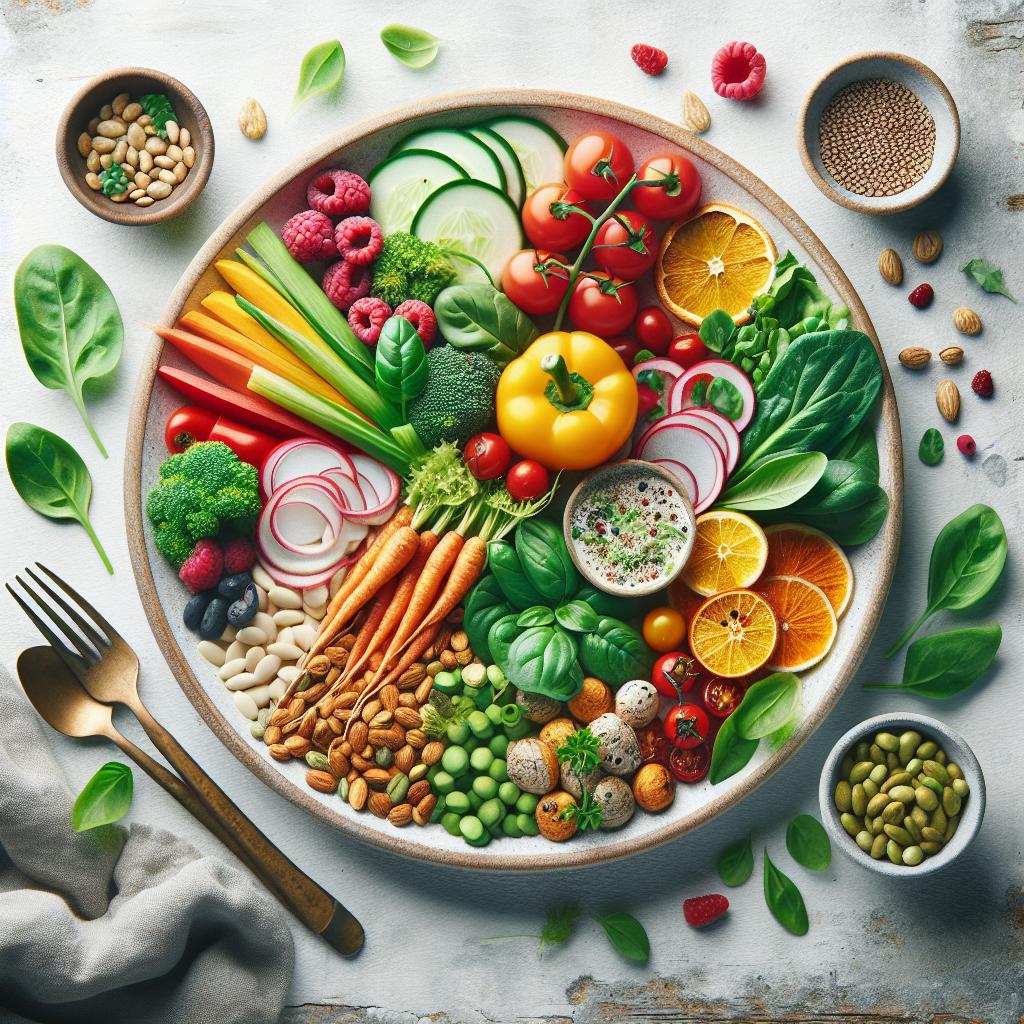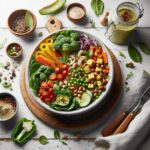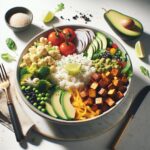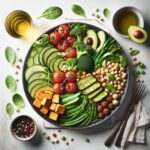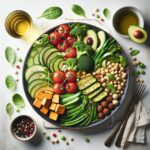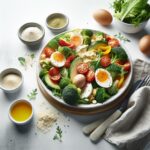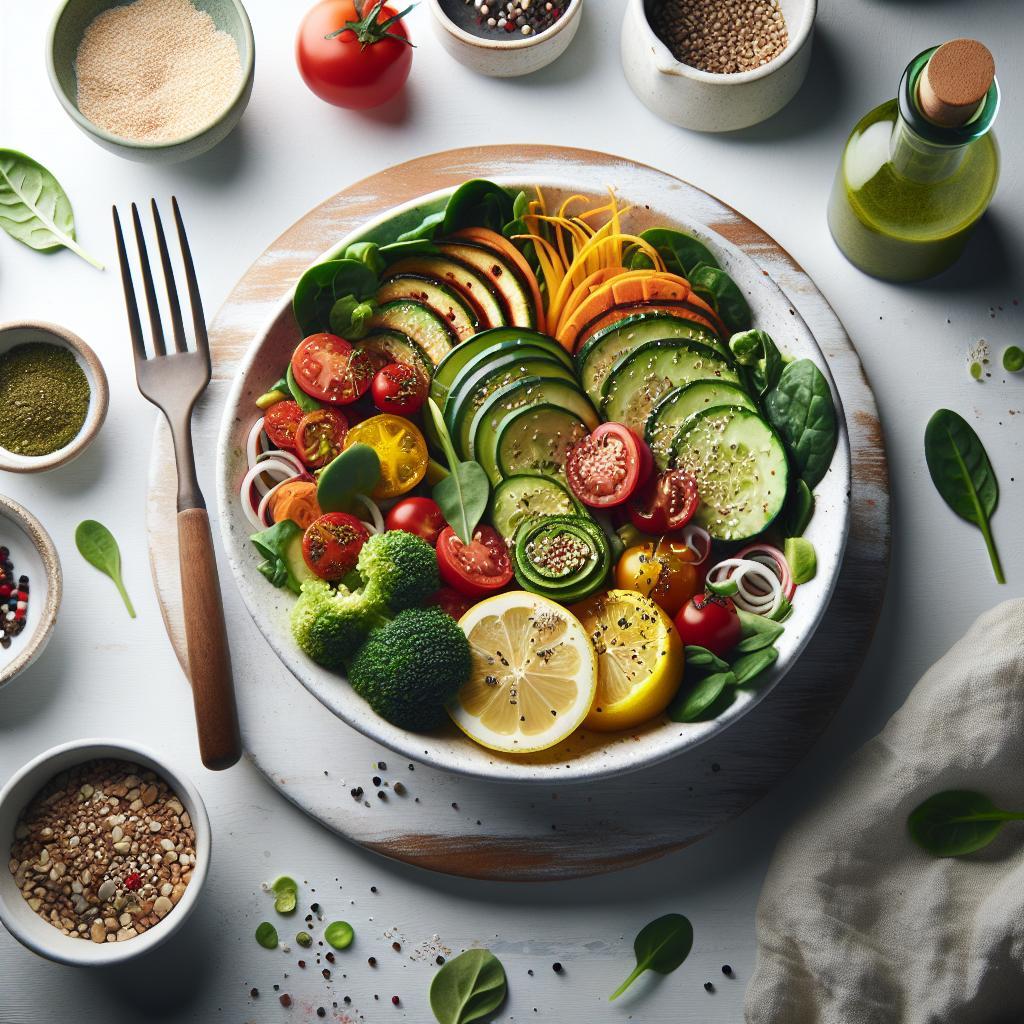
In a world bursting with colors, flavors, and life’s essential elements, the secret to vibrant health lies not in a single superfood or trend, but in the rich tapestry of nutrients sourced from diverse ingredients. “Unlocking Nutrient Power: Sourcing Diversity for Wellness” invites you on a journey beyond the ordinary plate-where every bite is an opportunity to fuel your body with a mosaic of vitamins, minerals, and antioxidants. By embracing variety in what we eat, we empower our wellness not just to survive, but to thrive. Join us as we explore how sourcing nutrients from a wide spectrum of natural foods can transform your health, ignite your vitality, and unlock the full potential of your well-being.
Unlocking Nutrient Power: Vibrant Rainbow Buddha Bowl Recipe
Unlocking nutrient power is an art, especially when embracing the radiant hues of nature’s most colorful foods. This vibrant Rainbow Buddha Bowl draws inspiration from global ingredients, sourced seasonally to maximize freshness and nutritional benefits. Featuring an array of superfoods like quinoa, kale, and bright berries, this bowl is a celebration of flavor, texture, and health. I first discovered this approach while traveling through Southeast Asia, where markets overflowed with jewel-toned produce and nutrient-rich grains-fueling my passion to recreate this nourishing bowl in my own kitchen.
Prep and Cook Time
Preparation: 20 minutes | Cook Time: 15 minutes | Total Time: 35 minutes
Yield
Serves 2 generous bowls
Difficulty Level
Easy to Medium – Perfect for weeknight meals or meal prep
Ingredients
- 3/4 cup quinoa, rinsed
- 1 1/2 cups water or vegetable broth for cooking quinoa
- 1 cup kale, finely chopped, tough stems removed
- 1 medium carrot, julienned
- 1/2 cup roasted chickpeas, lightly seasoned
- 1/2 avocado, sliced
- 1/2 cup purple cabbage, thinly sliced
- 1/2 cup cherry tomatoes, halved
- 1/4 cup fresh blueberries (optional superfood boost)
- 2 tbsp toasted pumpkin seeds
- 2 tbsp tahini
- 1 tbsp lemon juice
- 1 tsp maple syrup or honey
- 1 tsp soy sauce or tamari for gluten-free option
- Salt and pepper, to taste
- 1 tsp olive oil (optional, for sautéing kale)
Instructions
- Cook quinoa: In a medium saucepan, combine rinsed quinoa with water or vegetable broth. Bring to a boil, reduce heat to low, cover, and simmer for 15 minutes or until water is absorbed and quinoa is fluffy. Remove from heat and let stand for 5 minutes.
- Prepare kale: While quinoa cooks, heat olive oil in a skillet over medium heat. Add chopped kale and sauté until wilted and bright green, about 3-4 minutes. Season lightly with salt and pepper. Alternatively, use raw kale for more crunch and fiber.
- Make the dressing: In a small bowl, whisk together tahini, lemon juice, maple syrup, soy sauce, and 1-2 tablespoons of warm water to thin until smooth and pourable.
- Assemble the bowl: Divide quinoa evenly between two bowls. Neatly arrange sautéed kale, carrot, roasted chickpeas, avocado, purple cabbage, cherry tomatoes, and blueberries around the quinoa.
- Drizzle the tahini dressing over the bowl and sprinkle toasted pumpkin seeds on top for an added crunch.
- Serve immediately or refrigerate the components separately to preserve freshness for up to 2 days.
Tips for Success
- Seasonal sourcing: Swap in seasonal vegetables and fruits such as roasted butternut squash in fall or fresh snap peas in spring to keep the bowl fresh and nutrient-packed throughout the year.
- Superfood caution: If introducing superfoods like chia seeds or goji berries, start with small amounts to observe tolerance and avoid digestive upset.
- Batch prep: Cook extra quinoa and chickpeas ahead of time for quick bowl assembly during busy days.
- Texture balance: Mix raw and cooked veggies to create a pleasing variety of textures that entice the palate.
- Flavor layering: Adding a squeeze of fresh lemon or a pinch of chili flakes can brighten flavors and enhance nutrient absorption.
Serving Suggestions
Present this colorful bowl on a wide, shallow dish to show off the vivid rainbow layers. Garnish with extra pumpkin seeds and a sprig of fresh cilantro or parsley. Pair it with a chilled glass of citrus-infused water or a lightly brewed green tea to complement the fresh, vibrant flavors. This bowl also pairs beautifully with whole grain flatbread or warm pita for a satisfying meal.
| Nutrient | Per Serving |
|---|---|
| Calories | 420 |
| Protein | 15g |
| Carbohydrates | 52g |
| Fat | 14g |

For more dishes that emphasize unlocking nutrient power with diverse ingredients, check out our Healthy Grain Bowls collection. To deepen your understanding of nutrient-dense foods, visit the Nutrition Society for the latest research and guidelines.
Q&A
Q&A: Unlocking Nutrient Power – Sourcing Diversity for Wellness
Q1: What does “sourcing diversity” mean in the context of nutrition?
A1: Sourcing diversity refers to the intentional practice of varying the types of foods and nutrients you consume, sourcing them from a broad spectrum of plants, animals, and even fermented options. It’s about moving beyond the usual grocery list and embracing nature’s full palette of flavors and nutrients to fuel your body.
Q2: Why is nutrient diversity important for wellness?
A2: Nutrient diversity acts like a symphony for your body; the more varied the instruments (nutrients), the richer and more harmonious the performance (your health). Different foods provide unique vitamins, minerals, antioxidants, and amino acids that work together to boost immunity, improve digestion, and enhance mental clarity.
Q3: Can sourcing diverse nutrients actually impact long-term health?
A3: Absolutely! Regularly incorporating a broad range of nutrients has been linked to reduced risks of chronic diseases such as heart disease, diabetes, and certain cancers. Diversity in your diet also supports gut microbiome health, which plays a critical role in everything from mood regulation to weight management.
Q4: How can someone start incorporating diversity in their food sourcing?
A4: Begin by exploring new foods each week-try a different fruit, vegetable, grain, or protein. Visit farmers’ markets, join a CSA (Community Supported Agriculture), or experiment with international recipes. Remember, it’s not about perfection but about curiosity and small, consistent changes.
Q5: Are there particular nutrient groups that benefit most from diversification?
A5: While all nutrient groups benefit, micronutrients like vitamins and trace minerals especially thrive in a diverse diet because they are often plentiful in niche sources rather than staple foods. For example, seaweed offers iodine, whereas nuts provide selenium-each unique and essential.
Q6: How does sourcing diversity connect with sustainability?
A6: Embracing diversity in our diets often encourages sourcing foods from a variety of environments and producers, which can reduce reliance on monoculture farming. This diversity supports healthier ecosystems, promotes biodiversity, and lessens environmental strain, creating a win-win for your health and the planet.
Q7: What role does cultural diversity play in unlocking nutrient power?
A7: Cultural food traditions are treasure troves of diverse nutrient sources and preparation methods that optimize absorption and taste. Exploring different cuisines not only expands your nutrient horizon but also enriches your culinary experience and cultural appreciation.
Q8: Can supplements replace nutrient diversity from whole foods?
A8: While supplements can fill gaps, they cannot replicate the complex synergy of nutrients found in whole foods sourced diversely. Whole foods provide fiber, phytochemicals, and beneficial compounds that supplements usually lack. Think of supplements as a patch, not a foundation.
Q9: What’s one inspirational tip for someone overwhelmed by the idea of diversifying their diet?
A9: Treat your nutrition journey like an adventure, not a chore. Each meal is a chance to discover something new and nourish your body in vibrant ways. Start small, celebrate progress, and remember-diversity is the spice of life and wellness.
Q10: Where can readers learn more about smart sourcing and nutrient diversity?
A10: Trusted nutrition blogs, books by registered dietitians, local workshops, and even social media communities focused on whole-food, diverse diets are great starting points. Always lean towards evidence-based resources to separate the science from the hype.
To Wrap It Up
As we journey through the vibrant tapestry of nutrients offered by diverse food sources, it becomes clear that wellness is not a one-note melody but a rich symphony composed of many elements. Unlocking the power of nutrients means embracing variety-not only on our plates but in the very soil, waters, and practices that birth our food. By sourcing diversity thoughtfully, we tap into nature’s full spectrum of wellness, empowering our bodies and minds to thrive in harmony. In the end, true nourishment lies not just in what we eat, but in honoring the intricate connections that bring those nutrients to life. Let this understanding be your guide as you cultivate a more vibrant, resilient, and healthful future-one diverse bite at a time.