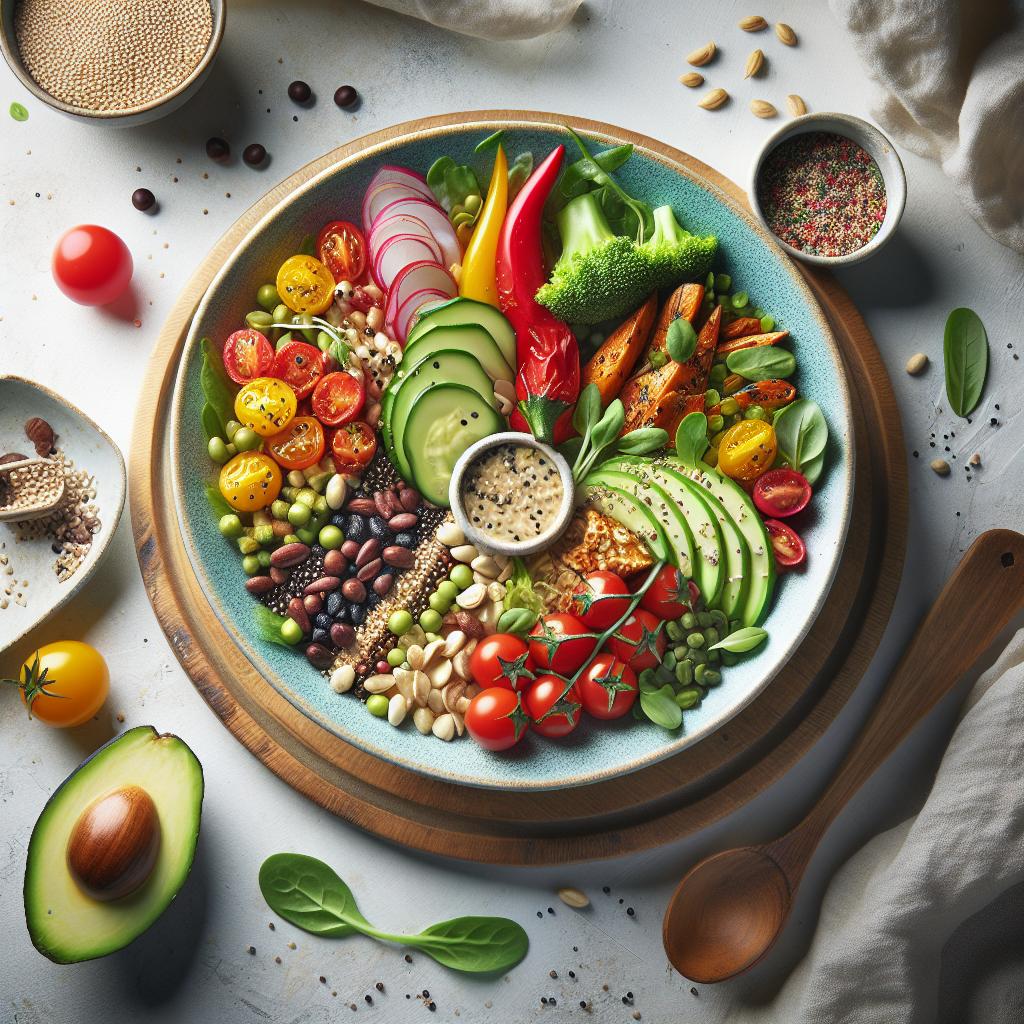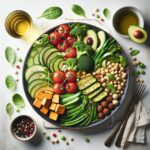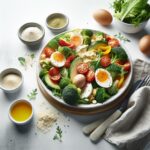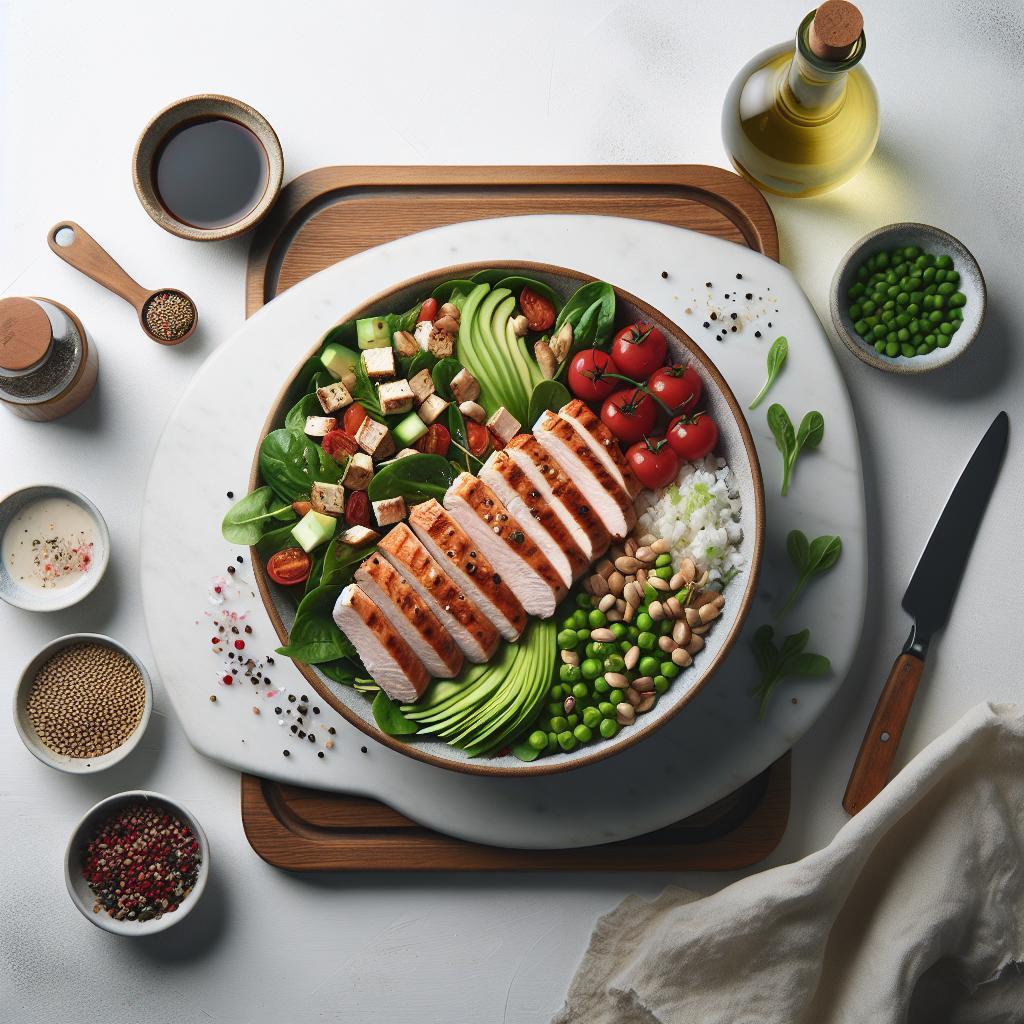
In the bustling rhythm of modern life, protein often gets sidelined-a quick grab of carbs here, a skimmed-over salad there. Yet, this mighty macronutrient is the unsung hero powering our muscles, fueling our brains, and keeping our bodies in balance. Welcome to the world of “Protein Power,” where we unravel the hidden reasons you might be falling short on your daily intake. From sneaky dietary pitfalls to misunderstood nutrition myths, this article dives deep into why protein deserves a front-row seat on your plate every day-and how embracing it can transform your health in ways you never expected. Ready to unlock the secret strength behind every cell? Let’s get started.
Protein Power is essential for maintaining daily health and fueling your energy levels, yet many unknowingly fall short of their protein needs. This crucial macronutrient supports muscle repair, hormone production, and immune function, making it a cornerstone of optimal wellness. Identifying common mistakes and discovering practical ways to elevate your protein intake can transform your meals and boost vitality throughout the day.
Prep and Cook Time
Prep Time: 10 minutes | Cook Time: 15 minutes | Total Time: 25 minutes
Yield
Serves 4
Difficulty Level
Easy
Ingredients
- 1 lb boneless, skinless chicken breast, cubed
- 1 cup quinoa, rinsed
- 2 cups low-sodium chicken broth
- 1 cup cherry tomatoes, halved
- 1 cup spinach leaves, roughly chopped
- 1/2 cup crumbled feta cheese
- 2 cloves garlic, minced
- 1 tbsp olive oil
- Salt and black pepper to taste
- 1 tsp paprika
- 1/2 tsp dried oregano
- Juice of 1 lemon
Instructions
- Prepare quinoa: In a medium saucepan, combine the rinsed quinoa and chicken broth. Bring to a boil, reduce heat to low, cover, and simmer for 15 minutes, or until the quinoa is fluffy and broth absorbed.
Tip: Fluff with a fork and keep covered to stay warm while preparing the chicken. - Cook chicken: While quinoa cooks, heat olive oil in a large skillet over medium-high heat. Add cubed chicken breast seasoned with salt, pepper, paprika, and oregano. Sauté until golden brown and cooked through, about 7-8 minutes.
Tip: Avoid overcrowding the pan to achieve a nice sear. - Add garlic and veggies: Reduce heat to medium, add minced garlic and sauté for 1 minute until fragrant. Stir in cherry tomatoes and cook for 3 minutes until they start to soften.
- Combine ingredients: Add cooked quinoa and spinach to the skillet. Toss gently until spinach wilts, about 2 minutes.
- Finish and serve: Remove from heat, stir in lemon juice and sprinkle with crumbled feta cheese. Taste and adjust seasoning as needed.
Chef’s Notes
- Variations: Swap chicken with firm tofu or grilled salmon to adjust protein sources.
- Make-Ahead: Cook quinoa and chicken separately ahead of time; store refrigerated for up to 2 days and reheat before combining.
- Protein Boost: Add a handful of toasted nuts or seeds for extra texture and protein.
- Allergies: Substitute feta with dairy-free cheese for lactose intolerance.
Serving Suggestions
This vibrant, protein-packed dish shines when plated with a sprinkle of fresh herbs like parsley or basil. Serve alongside a crisp cucumber salad or roasted vegetables for a balanced meal. Pair with a glass of chilled white wine or sparkling water infused with lemon wedges for a refreshing touch.

| Nutrient | Amount per Serving |
|---|---|
| Calories | 410 kcal |
| Protein | 38 g |
| Carbohydrates | 35 g |
| Fat | 12 g |
For further guidance on increasing your daily protein intake and balancing your nutrition, check out our in-depth balanced macronutrient guide. To explore the latest scientific insights on protein’s impact on health, visit the Harvard T.H. Chan School of Public Health.
Q&A
Q: What exactly is “protein power,” and why is it crucial in our daily diet?
A: Think of protein as the powerhouse nutrient fueling your body’s everyday magic – from building muscles to repairing tissues and even keeping your immune system sharp. “Protein power” refers to harnessing this nutrient’s full potential to maintain energy, support metabolism, and keep you feeling satisfied throughout the day. Without enough protein, your body starts to feel the strain, like a power plant running low on fuel.
Q: How do I know if I’m not getting enough protein daily?
A: Signs can be subtle but telling. Fatigue, sluggish recovery after exercise, constant hunger, and even hair thinning might be whispers from your body begging for more protein. If your meals leave you hungry an hour later or your strength is declining, it could be a sign your protein intake is falling short.
Q: Why is it common for people to fall short on protein without realizing it?
A: Protein can often be overshadowed by trendy diets focusing too heavily on carbs or fats. Some people also assume that small portions of protein here and there are sufficient, not realizing their body needs a steady, meaningful amount throughout the day. Plus, vegetarian or vegan diets, without mindful planning, can unintentionally miss the mark since protein sources might be less obvious.
Q: How much protein should I actually aim for each day?
A: While the general guideline is about 0.8 grams per kilogram of body weight for average adults, optimal intake varies with activity level, age, and goals. Athletes, older adults, or those trying to build muscle might need closer to 1.2-2.0 grams per kilogram. Imagine your protein needs as a custom-tailored suit rather than a one-size-fits-all T-shirt.
Q: What are some creative ways to boost protein intake without turning every meal into a meat fest?
A: Think beyond chicken breasts! Legumes, quinoa, tofu, Greek yogurt, nuts, seeds, and even veggie-packed smoothies with protein powder can keep your plate exciting and protein-rich. Sprinkle seeds over salads, stir beans into soups, or blend a creamy nut butter into your morning oats – small tweaks, massive power boost!
Q: Can too much protein be harmful?
A: Moderation is key. Excessive protein doesn’t just vanish; your body has to process it, which can be taxing on kidneys if sustained over long periods and especially if you have preexisting conditions. Balance your meals with carbs and fats to maintain harmony in your diet orchestra.
Q: What’s one simple daily habit to ensure I’m getting enough protein?
A: Start with breakfast. Integrate a solid protein source like eggs, cottage cheese, or protein-enriched smoothies to kickstart your day. This sets a strong foundation and makes it easier to meet your protein needs in subsequent meals.
Q: Why is protein especially important as we age?
A: As the years pass, we naturally lose muscle mass, a process called sarcopenia. Protein acts like a shield, helping preserve muscle, maintain strength, and support mobility. Prioritizing protein can help keep you vibrant, independent, and energized throughout your golden years.
Harness your protein power today – your body will thank you with strength, stamina, and a zest for life that only true nourishment can deliver!
To Conclude
In the grand symphony of your daily nutrition, protein plays a starring role-fueling your muscles, repairing tissues, and keeping your energy steady. Yet, despite its vital importance, many of us are unwittingly walking the tightrope of protein deficiency every single day. Recognizing the signs and understanding your unique needs is the first step toward reclaiming your “protein power.” So, whether you’re a plant-based eater, a busy professional, or someone simply looking to boost vitality, make protein a purposeful part of your plate. After all, the small shifts you make today can lead to a stronger, healthier tomorrow-one protein-packed meal at a time.