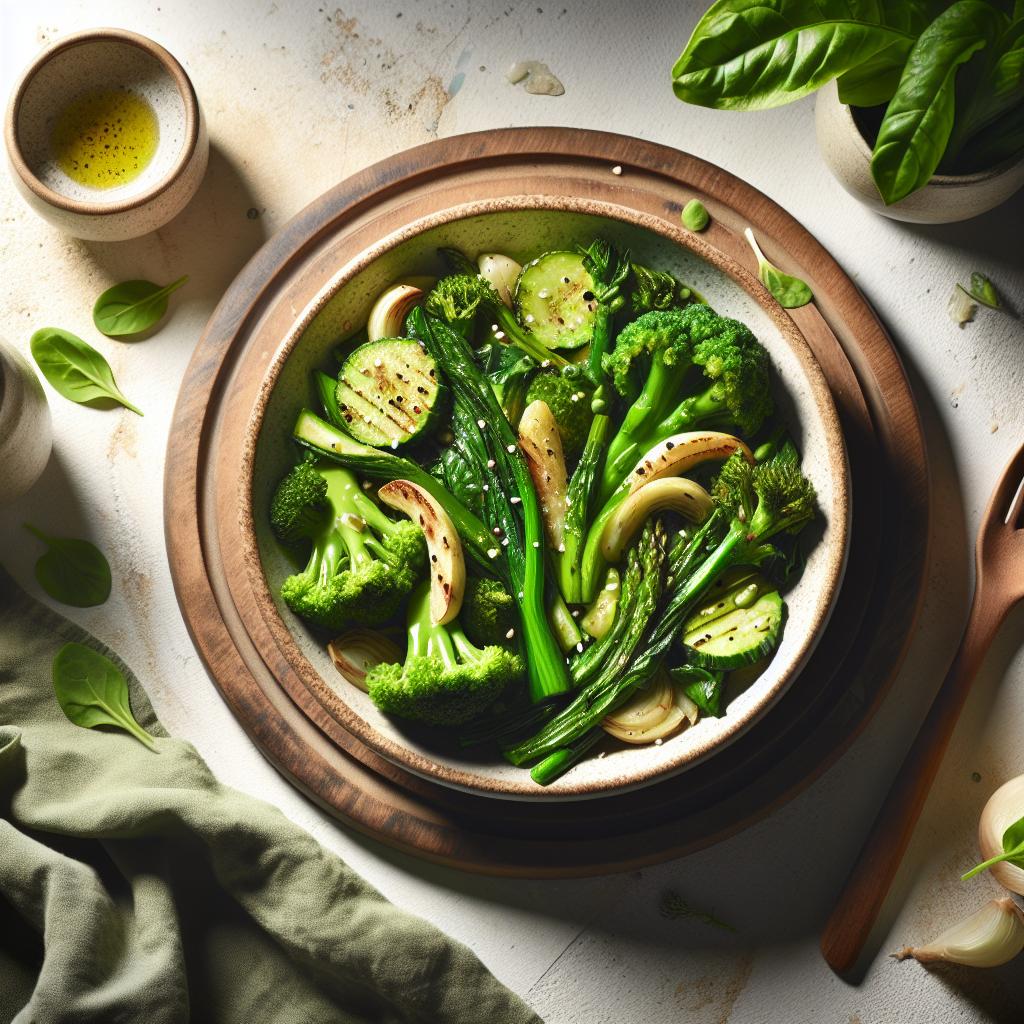
In the vast world of greens that often grace our markets and foraging adventures, there lies a treasure trove of lesser-known leaves just waiting to transform your culinary repertoire. These unsung heroes of the produce aisle-vibrant, nutrient-packed, and bursting with unique flavors-offer endless possibilities beyond the usual spinach and kale. Unlocking the potential of these unknown greens not only elevates your meals but also connects you to nature’s hidden bounty. Join us as we explore creative ways to cook with these mysterious greens, turning the unfamiliar into unforgettable dishes that excite both your palate and your imagination.
Exploring Unique Nutritional Benefits and Transforming Flavors
Unlocking Flavor: Creative Ways to Cook with Unknown Greens invites you to embrace the hidden nourishment and bold tastes flourishing right in your garden. These often-overlooked greens are bursting with vitamins, minerals, and antioxidants, offering not only vibrant colors to your plate but also powerful health benefits. By skillfully preparing these greens, we transform their natural bitterness into gourmet sensations that elevate any meal.
Prep and Cook Time
- Preparation: 15 minutes
- Cooking: 10 minutes
- Total Time: 25 minutes
Yield
Serves 4 as a side dish or light entrée
Difficulty Level
Medium – suitable for cooks comfortable with experimenting in the kitchen
Ingredients
- 4 cups unknown bitter greens (such as dandelion greens, mustard greens, or sorrel), washed and chopped
- 2 tablespoons olive oil
- 3 cloves garlic, thinly sliced
- 1 small shallot, finely diced
- 1 teaspoon crushed red pepper flakes
- 1 tablespoon lemon juice, freshly squeezed
- 1 teaspoon honey or maple syrup (optional, to balance bitterness)
- Salt and freshly cracked black pepper, to taste
- 2 tablespoons toasted pine nuts or walnuts, for garnish
- Fresh herbs such as parsley or cilantro, chopped (optional)
Instructions
- Prepare the greens: Rinse the bitter greens thoroughly under cold running water to remove dirt and grit. Pat them dry with a kitchen towel or use a salad spinner for a crisp finish.
- Heat the pan: In a large skillet, warm the olive oil over medium heat until shimmering.
- Sauté aromatics: Add the sliced garlic and diced shallot, cooking until fragrant and translucent, about 2-3 minutes, stirring frequently to avoid burning.
- Add spice: Sprinkle in the crushed red pepper flakes and stir for 30 seconds to release their flavor.
- Toss in the greens: Add the bitter greens in batches, stirring continuously to wilt them evenly. Cook for 5-7 minutes until soft but still vibrant.
- Balance bitterness: Drizzle the lemon juice and honey over the cooked greens, tossing gently to blend the flavors. Adjust salt and pepper to taste.
- Finish and garnish: Remove from heat, sprinkle toasted pine nuts and fresh herbs on top, and serve immediately for optimal freshness and texture.
Chef’s Notes
- Substitutions: If you find your greens too bitter, try blanching them briefly in boiling water before sautéing to mellow their bite.
- Flavor Enhancements: A dash of toasted sesame oil or a splash of soy sauce can introduce umami depth for an Asian-inspired twist.
- Make-Ahead Tip: Prepare the greens ahead of time and gently reheat in a skillet with a splash of water to retain moisture.
- Unlock different textures: Incorporate toasted seeds like pumpkin or sunflower for crunch and nutrition.
- Pairings: These sautéed greens shine alongside grilled fish, roasted chicken, or creamy polenta.
Serving Suggestions
Plate these sautéed greens as a stunning side by twirling them into neat nests or layering them atop toasted sourdough bread for a rustic appetizer. Finish with a sprinkle of crumbled feta or a dollop of whipped goat cheese to contrast the bitterness artfully. For a full meal, add roasted root vegetables and a grain like farro or quinoa to create harmony on the plate.

| Nutrient | Amount per Serving |
|---|---|
| Calories | 120 |
| Protein | 3g |
| Carbohydrates | 8g |
| Fat | 9g |
For more creative culinary inspiration, explore our collection of recipes featuring wild herbs and greens. To understand more about the nutritional benefits of bitter greens, visit the British Nutrition Foundation.
Q&A
Q&A: Unlocking Flavor – Creative Ways to Cook with Unknown Greens
Q1: What are “unknown greens,” and why should we cook with them?
A1: Unknown greens are those leafy treasures you might find at farmers’ markets, foraged from your garden, or simply overlooked in grocery stores-think dandelion greens, sorrel, or even mulberry leaves. They’re packed with unique flavors and nutrients, offering a twist on everyday cooking. Exploring these greens unlocks new textures, tastes, and culinary adventures that go beyond the boring bagged spinach or kale.
Q2: How do I identify if an unknown green is edible and safe to cook?
A2: The key lies in research and trust. Use plant identification apps or field guides, consult with local foragers or farmers, and start by tasting a tiny amount raw to detect bitterness or pungency. When in doubt, steer clear or ask an expert. Remember: many wild and unfamiliar greens are edible but require proper preparation to neutralize bitterness or toxins.
Q3: What are some creative cooking techniques to make unknown greens shine?
A3: Think beyond boiling! Try quick sautéing with garlic and chili flakes to awaken flavors, blending into vibrant pestos, or fermenting for tangy kimchi-style side dishes. Unknown greens also excel when baked into savory tarts, blended into smoothies for an earthy kick, or used as wraps for grilled proteins. Texture plays a huge role, so balancing crispness with softness is key.
Q4: Can unknown greens be bitter, and how do I tame that bitterness?
A4: Absolutely, bitterness is common. To tame it, use bright acids like lemon juice or vinegar, add sweetness from honey or caramelized onions, or blanch the greens briefly in salted water before cooking. Combining them with creamy ingredients like cheese or coconut milk also harmonizes flavors beautifully. Embrace the bitterness-it adds complexity and depth to your dishes!
Q5: Are unknown greens nutritious, and how do they compare to familiar ones like spinach or kale?
A5: Many unknown greens rival or surpass common varieties in nutritional value. They often boast high levels of vitamins A, C, K, minerals like iron and calcium, and antioxidants. Eating a diverse range of greens not only broadens your palate but also ensures a richer nutrient profile, contributing to holistic health and vibrant meals.
Q6: How can I incorporate unknown greens into my everyday meals without overwhelming my taste buds?
A6: Start small. Mix chopped unknown greens into your scrambled eggs, toss them into soups or stews, or sprinkle them over pizzas and grain bowls. Pairing with familiar flavors, herbs, and spices helps ease the transition. Over time, gradually increase their presence to fully enjoy their unique character without shock to your palate.
Q7: What’s a simple, creative recipe to try with unknown greens?
A7: Try a “Wild Green & Herb Pesto.” Combine your unknown greens with garlic, toasted nuts, lemon juice, olive oil, and Parmesan. Blend into a vibrant sauce perfect for pasta, spreading on sandwiches, or dolloping onto roasted veggies. It’s an easy gateway to explore bold flavors with minimal fuss.
Q8: Any tips for storing and preserving unknown greens?
A8: Treat unknown greens like you would delicate herbs. Keep them unwashed in a perforated plastic bag or wrapped loosely in a damp paper towel inside the fridge. Use them within a few days for peak freshness. For longer storage, consider blanching and freezing, or turning them into pestos and freezing in ice cube trays for handy portions.
Unlocking flavor with unknown greens is an exciting journey-each leaf a doorway to fresh culinary landscapes. Experiment, taste boldly, and let your kitchen become a playground of green discoveries!
Wrapping Up
As we close this leafy chapter of culinary exploration, remember that the world of unknown greens is a verdant playground waiting to be discovered. Each unfamiliar leaf carries the potential to transform your dishes with fresh, vibrant flavors and unexpected textures. By embracing these hidden gems-be it a wild herb, an overlooked garden green, or a mysterious market find-you unlock not just taste, but creativity and nourishment. So next time you wander through your local farmer’s market or forage in your backyard, don’t shy away from the unknown. Instead, invite these greens onto your plate, and watch your cooking bloom into something truly extraordinary.